Need Parts?

Tooling as a Strategic Asset: The Missing Link in Manufacturing Continuity

The production line was ready. Materials were in. Demand was real. Then a single tool cracked. Replacement quotes came back with long lead times, unclear ownership, and a trail of emails no one could fully trace. Manufacturing stalled, not because the product was flawed, but because the tooling behind it had been treated like a disposable cost instead of a core asset.

We see this more often than expected.

When manufacturing continuity breaks, the root cause is rarely labor or demand. It is tooling. Lost visibility. Poor handoffs. No long-term plan.

That is where tooling in manufacturing stops being a technical detail and starts becoming a strategic issue.

Why Tooling Determines Manufacturing Continuity

Why Tooling Determines Manufacturing Continuity

Manufacturing continuity depends on one thing above all else: repeatability. The ability to make the same part, at the same quality, across time, suppliers, and locations.

Tooling sits at the center of that equation.

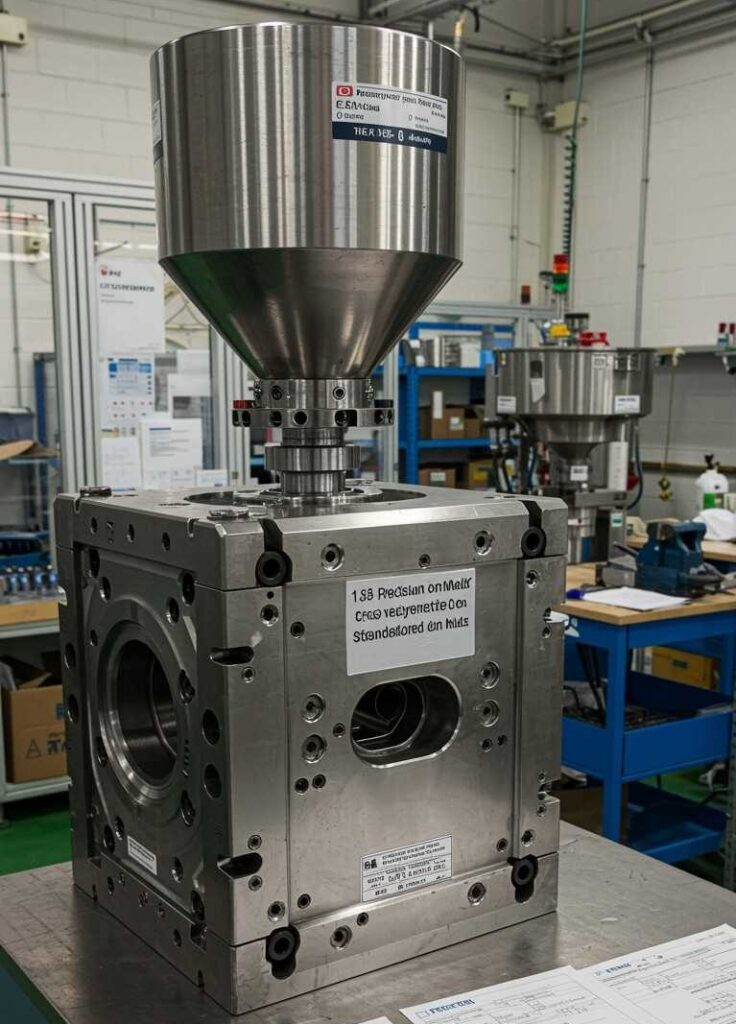
A mold or die is not just a means to produce parts. It encodes design intent, process knowledge, tolerances, and assumptions about volume and material behavior. When tooling is poorly managed, continuity collapses. Production slows. Quality drifts. Costs spike.

Across manufacturing programs, what we are seeing is that tooling decisions are often optimized for short-term cost rather than long-term stability. That tradeoff shows up later as downtime, rushed retooling, or supplier lock-in.

CNC Materials
1. Stainless steel

A strong and corrosion-resistant material commonly used for CNC machining parts like precision components, medical instruments, and automotive components.

2. Ren

A durable thermoplastic material suitable for CNC machining complex parts like gears, bearings, and bushings, known for its excellent dimensional stability and low friction properties.

3. POM (Acetol)

A versatile engineering plastic widely used for CNC machining components such as precision gears, rollers, and valve bodies due to its low friction, high strength, and dimensional stability.

4. Polycarbonate

An impact-resistant and transparent material often CNC machined into parts like safety goggles, electronic enclosures, and automotive lighting covers due to its excellent strength and optical clarity.

5. PMMA (Acrylic)
  1. A lightweight and transparent material commonly CNC machined into parts like display panels, signage, and lenses due to its optical clarity, UV resistance, and ease of machining.
6. Nylon

A strong and flexible material used for CNC machining parts like gears, pulleys, and bearings due to its high wear resistance, low friction, and excellent mechanical properties.

7.Aluminum
A lightweight and versatile material widely used for CNC machining parts such as housings, brackets, and heat sinks due to its high strength-to-weight ratio, excellent thermal conductivity, and corrosion resistance.
8. ABS

A durable and impact-resistant thermoplastic commonly CNC machined into parts like prototypes, enclosures, and consumer goods due to its good mechanical properties, ease of machining, and wide range of available colors.

9.Brass

A metal alloy known for its excellent machinability and corrosion resistance, often CNC machined into parts like fittings, valves, and decorative components due to its aesthetic appeal and durability.

10. Copper

A highly conductive and malleable material often CNC machined into electrical connectors, heat sinks, and RF shields due to its excellent electrical and thermal properties.

11. Mild Steel

A low-carbon steel commonly CNC machined into parts like brackets, shafts, and structural components due to its strength, machinability, and cost-effectiveness.

12. Magnesium
A lightweight metal used for CNC machining parts like aerospace components, electronic housings, and automotive parts due to its high strength-to-weight ratio, excellent machinability, and good thermal conductivity.
13. Foam

A lightweight and versatile material used for CNC machining applications like packaging inserts, architectural models, and signage due to its ease of machining, low density, and impact-absorbing properties.

14. Delrin

A high-performance engineering plastic known for its excellent dimensional stability, low friction, and high wear resistance, often CNC machined into parts like bushings, gears, and bearings.

1. Stainless steel

A strong and corrosion-resistant material commonly used for CNC machining parts like precision components, medical instruments, and automotive components.

2. Ren

A durable thermoplastic material suitable for CNC machining complex parts like gears, bearings, and bushings, known for its excellent dimensional stability and low friction properties.

3. POM (Acetol)

A versatile engineering plastic widely used for CNC machining components such as precision gears, rollers, and valve bodies due to its low friction, high strength, and dimensional stability.

4. Polycarbonate

An impact-resistant and transparent material often CNC machined into parts like safety goggles, electronic enclosures, and automotive lighting covers due to its excellent strength and optical clarity.

5. PMMA (Acrylic)
  1. A lightweight and transparent material commonly CNC machined into parts like display panels, signage, and lenses due to its optical clarity, UV resistance, and ease of machining.
6. Nylon

A strong and flexible material used for CNC machining parts like gears, pulleys, and bearings due to its high wear resistance, low friction, and excellent mechanical properties.

7.Aluminum
A lightweight and versatile material widely used for CNC machining parts such as housings, brackets, and heat sinks due to its high strength-to-weight ratio, excellent thermal conductivity, and corrosion resistance.
8. ABS

A durable and impact-resistant thermoplastic commonly CNC machined into parts like prototypes, enclosures, and consumer goods due to its good mechanical properties, ease of machining, and wide range of available colors.

9.Brass

A metal alloy known for its excellent machinability and corrosion resistance, often CNC machined into parts like fittings, valves, and decorative components due to its aesthetic appeal and durability.

10. Copper

A highly conductive and malleable material often CNC machined into electrical connectors, heat sinks, and RF shields due to its excellent electrical and thermal properties.

11. Mild Steel

A low-carbon steel commonly CNC machined into parts like brackets, shafts, and structural components due to its strength, machinability, and cost-effectiveness.

12. Magnesium
A lightweight metal used for CNC machining parts like aerospace components, electronic housings, and automotive parts due to its high strength-to-weight ratio, excellent machinability, and good thermal conductivity.
13. Foam

A lightweight and versatile material used for CNC machining applications like packaging inserts, architectural models, and signage due to its ease of machining, low density, and impact-absorbing properties.

14. Delrin

A high-performance engineering plastic known for its excellent dimensional stability, low friction, and high wear resistance, often CNC machined into parts like bushings, gears, and bearings.

Material Mechanical Properties Physical Properties Chemical Properties Features Common Applications
Tensile Strength: 60-70 MPa
Impact Strength: 10-20 kJ/m²
Heat Deflection Temperature: 135-150°C
Transparent or translucent
Good dimensional stability
Resistant to many chemicals and oils
Excellent transparency
High temperature resistance
Aerospace and Defense: Transparent canopies, Medical: Medical device components
Tensile Strength: 40-60 MPa
Impact Strength: 5-20 kJ/m²
Heat Deflection Temperature: 100-120°C
Various colors available
Good dimensional stability
Resistant to many chemicals and oils
Suitable for high-temperature applications
Aerospace and Defense: Engine components, Automotive: Engine components
Tensile Strength: 60-80 MPa
Impact Strength: 20-40 kJ/m²
Density: 1.03 g/cm³
Melting Point: 220-260°C
Various colors available
Low density
Good dimensional stability
Resistant to many chemicals and oils
High strength and impact resistance
Lightweight
Automotive: Bumpers, Aerospace and Defense: Structural components
Tensile Strength: 40-60 MPa
Impact Strength: 5-20 kJ/m²
Density: 1.03 g/cm³
Melting Point: 220-260°C
Black color
Low density
Good dimensional stability
Resistant to many chemicals and oils
Black appearance
Lightweight -
Durable
Consumer Products: Electronics casings, automotive interior parts
Tensile Strength: 40-60 MPa
Impact Strength: 5-20 kJ/m²
Density: 1.03 g/cm³
Melting Point: 220-260°C
White color
Low density
Good dimensional stability
Resistant to many chemicals and oils
White appearance
Lightweight
Durable
Consumer Products: Electronics casings, toys, kitchen appliances
ABS
Good impact resistance
Density: 1.03 g/cm³
Resistant to diluted acids, alkalis
High strength, versatility,
cost-effective
Automotive, Consumer Products
ABS – M30i
- Good tensile strength
- Density: 1.04 g/cm³
- Medical grade
- Biocompatible, sterilizable, suitable for medical devices
Medical
ABS ESD
- Static-dissipative properties
- Density: 1.06 g/cm³
- ESD protection
- Prevents electrostatic discharge, suitable for electronics
Aerospace and Defense, Consumer Products
ABS-Like
- High toughness and durability
- Density: Varies by formulation
- Resistant to various chemicals
- Resembles ABS but may offer specific improvements
Varies by formulation
Accura 25
- High accuracy and resolution
- Density: Varies by formulation
- Photopolymer
- Used in stereolithography 3D printing, fine details
Consumer Products, Medical, Aerospace and Defense
Accura 60
- High strength and durability
- Density: Varies by formulation
- Photopolymer
- Tough and durable, suitable for functional prototypes
Consumer Products, Aerospace and Defense
Accura AMX Rigid Black
- High impact resistance
- Density: Varies by formulation
- Photopolymer
- Rigid and durable, good for functional prototypes
Consumer Products, Aerospace and Defense
Accura ClearVue
- High transparency and clarity
- Density: Varies by formulation
- Photopolymer
- Crystal clear appearance, ideal for clear parts
Consumer Products, Medical
Accura Xtreme Grey/White
- High toughness and durability
- Density: Varies by formulation
- Photopolymer
- Resistant to high temperatures, strong and rigid
Consumer Products, Aerospace and Defense
ASA
- Excellent UV resistance
- Density: 1.07 g/cm³
- Weather-resistant
- Outdoor durability, retains color and strength in sunlight
Automotive, Consumer Products
Nylon
- High tensile strength
- Density: 1.15 g/cm³
- Resistant to moisture, chemicals
- Tough and durable, suitable for functional parts
Aerospace and Defense, Automotive, Consumer Products
Nylon 11 Flame Retardant
- Flame retardant properties
- Density: Varies by formulation
- Flame-resistant
- Fire safety, suitable for applications requiring flame resistance
Aerospace and Defense, Automotive
Nylon 12
- Good chemical resistance
- Density: 1.02 g/cm³
- Resistant to oils, greases
- Versatile, suitable for various industrial applications
Aerospace and Defense, Automotive, Consumer Products, Oil and Gas
Nylon 6
- High impact strength
- Density: 1.14 g/cm³
- Resistant to moisture, abrasion
- Durable, excellent for applications requiring impact resistance
Automotive, Consumer Products
PA 12 Glass Beads
- Improved stiffness and dimensional stability
- Density: Varies by formulation
- Reinforced with glass beads
- Increased stiffness, suitable for engineering applications
Automotive, Aerospace and Defense
PC-ISO
- High strength and heat resistance
- Density: Varies by formulation
- Biocompatible
- Suitable for medical and aerospace applications
Aerospace and Defense, Medical
PC+ABS
- Good impact resistance
- Density: Varies by formulation
- Resistant to chemicals
- Blends properties of PC and ABS, versatile material
Automotive, Consumer Products
PETG
- Excellent transparency and impact resistance
- Density: 1.27 g/cm³
- Food-safe, BPA-free
- Clarity and toughness, ideal for packaging and displays
Consumer Products, Medical
PLA
- Biodegradable and easy to print
- Density: 1.24 g/cm³
- Biodegradable
- Eco-friendly, easy to 3D print
Consumer Products, Medical
Polycarbonate (PC)
- High impact resistance, optical clarity
- Density: 1.20 g/cm³
- Excellent optical properties
- Exceptional clarity and strength, suitable for transparent parts
Aerospace and Defense, Consumer Products, Medical
Polypropylene
- Low density and good chemical resistance
- Density: 0.90 g/cm³
- Resistant to moisture, chemicals
- Lightweight, suitable for low-stress applications
Consumer Products, Automotive
Rubber-Like
- Flexible and rubber-like properties
- Density: Varies by formulation
- Flexible elastomer
- Mimics rubber, suitable for gaskets and seals
Automotive, Consumer Products
Somos Evolve
- High strength and heat resistance
- Density: Varies by formulation
- Photopolymer
- Engineering-grade material, suitable for functional prototypes
Aerospace and Defense, Automotive
Somos PerFORM
- High stiffness and heat resistance
- Density: Varies by formulation
- Photopolymer
- Strong and stiff, ideal for high-temperature applications
Aerospace and Defense
Somos Waterclear
- High transparency and clarity
- Density: Varies by formulation
- Photopolymer
- Transparent, suitable for clear prototypes and parts
Consumer Products, Medical
Somos Watershed
- Excellent clarity and water resistance
- Density: Varies by formulation
- Photopolymer
- Waterproof, suitable for water-resistant parts
Consumer Products, Medical
ST-130
- High toughness and durability
- Density: Varies by formulation
- Photopolymer
- Rigid, tough, and durable, good for functional prototypes
Consumer Products, Aerospace and Defense
TPU 88A
- Flexible and elastomeric properties
- Density: Varies by formulation
- Thermoplastic polyurethane
- Flexibility and resilience, suitable for elastomeric parts
Automotive, Consumer Products, Medical
Ultem 1010
- High strength, heat, and chemical resistance
- Density: 1.27 g/cm³
- Flame-resistant, UL 94 V0
- Engineering-grade thermoplastic with excellent properties
Aerospace and Defense, Automotive, Oil and Gas
Ultem 9085
- High strength, heat, and chemical resistance
- Density: 1.27 g/cm³
- Flame-resistant, UL 94 V0
- Suitable for aerospace and transportation applications
Aerospace and Defense, Automotive
Vero
- Rigid and durable
- Density: Varies by formulation
- Photopolymer
- Versatile material, good for prototypes and models
Consumer Products, Aerospace and Defense
VeroClear
- High transparency and clarity
- Density: Varies by formulation
- Photopolymer
- Transparent appearance, ideal for clear parts
Consumer Products, Medical
CNC Finishes
  1. Anodizing: An electrochemical process that enhances the surface of metal parts with a protective oxide layer, offering increased corrosion resistance and improved aesthetics. It is preferred for aluminum parts that require durability, color options, and resistance to wear and weathering.
  2. Painting: The application of a protective coating on CNC machined parts to provide aesthetic appeal, color customization, and added protection against corrosion. It is preferred when parts require specific colors, branding, or a decorative finish.
  3. Pad Printing: A printing technique where ink is transferred from a silicone pad onto CNC machined parts, allowing for detailed and precise graphics, text, or logos to be applied. It is preferred when parts require intricate designs, branding, or labeling.
  4. Sanding and Polishing: The process of smoothing the surface of CNC machined parts through abrasion to achieve a desired finish. It is preferred when parts require a smooth, glossy, or reflective surface for aesthetics, improved functionality, or ease of cleaning.
  5. Vapor Polishing: A process that involves exposing CNC machined parts to vaporized solvents, resulting in the surface being melted and re-solidified, producing a high-gloss finish. It is preferred for transparent or clear parts, such as acrylic or polycarbonate, when a glossy and optically clear finish is desired.
  6. Blasting: The use of abrasive materials, such as sand or glass beads, to remove surface imperfections, burrs, or scale from CNC machined parts, resulting in a uniform texture or a matte finish. It is preferred when parts require a textured appearance, improved adhesion for coatings, or to remove sharp edges or burrs.
CNC Parts

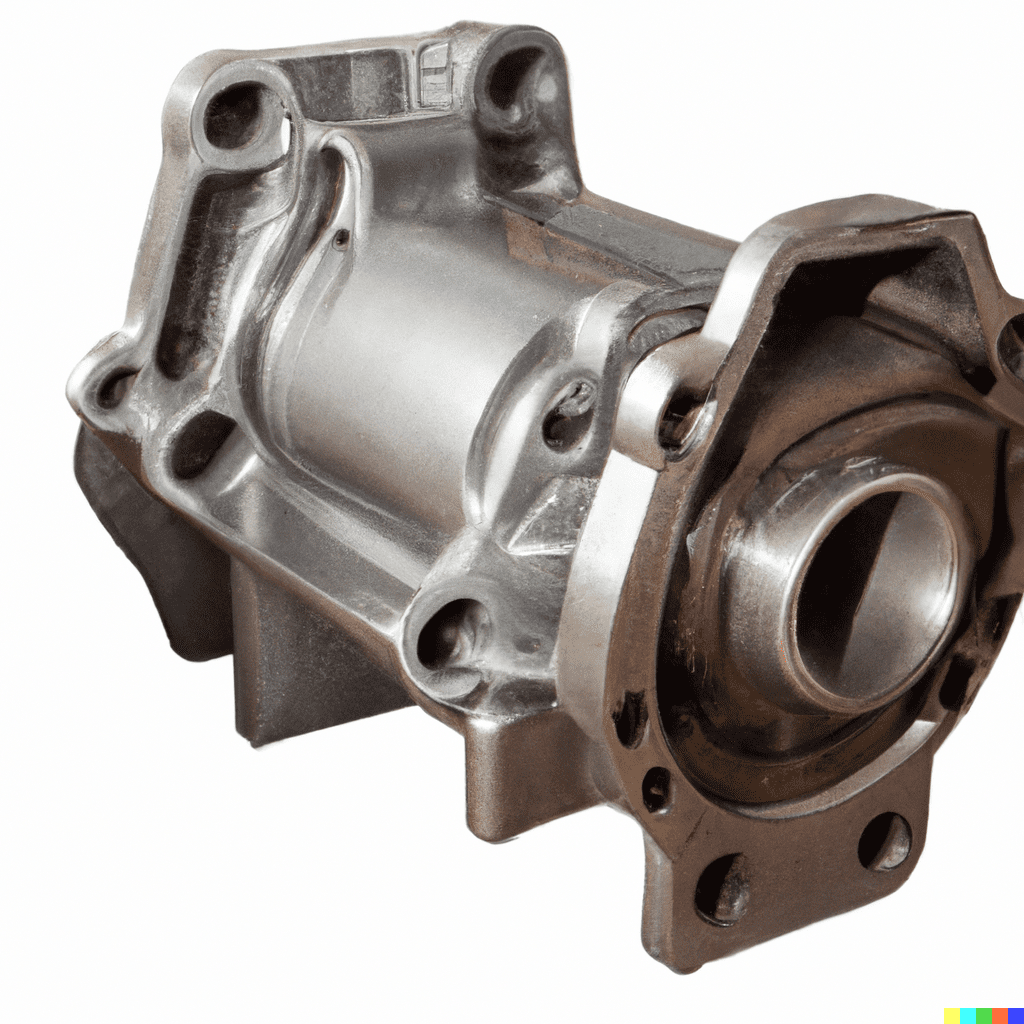
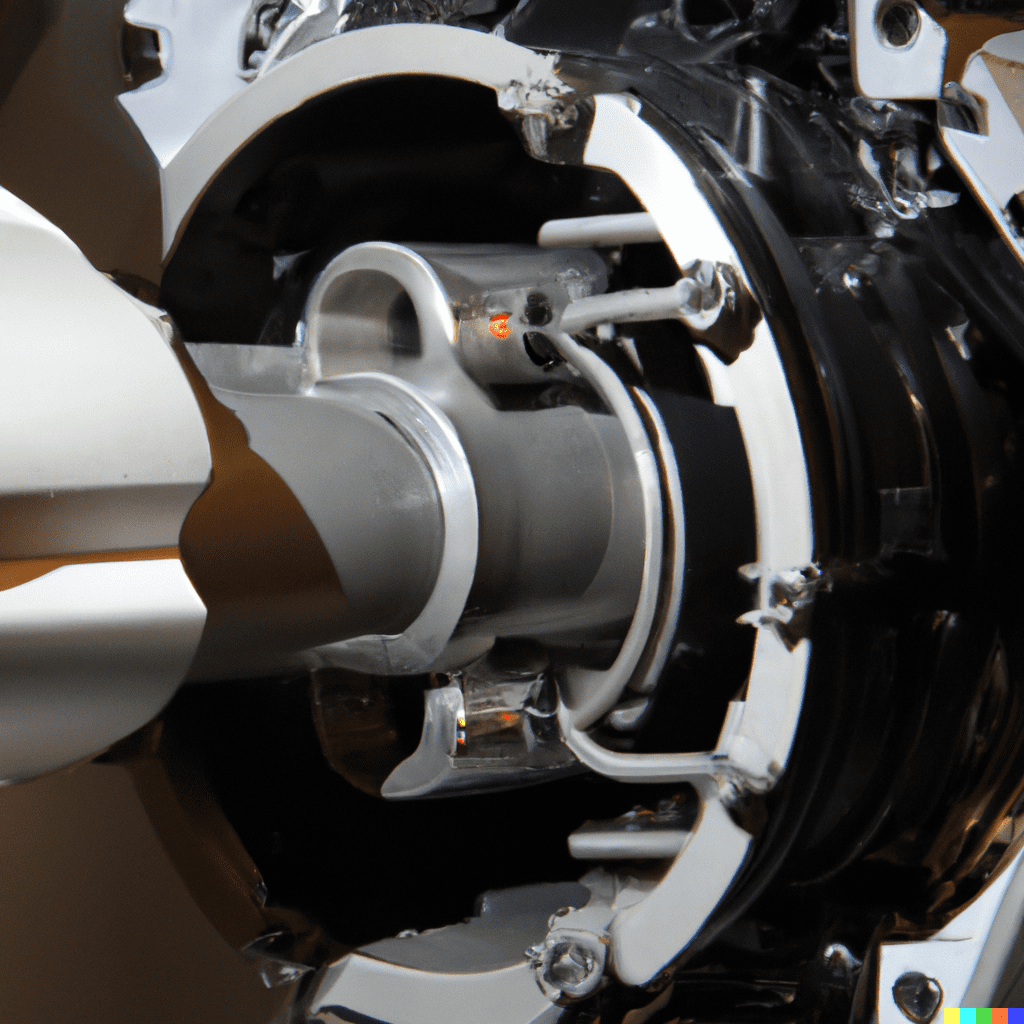
1. Aerospace and Defense

    • Aircraft components: Wings, fuselage, landing gear.
    • Engine parts: Turbine blades, combustion chambers, fuel nozzles.
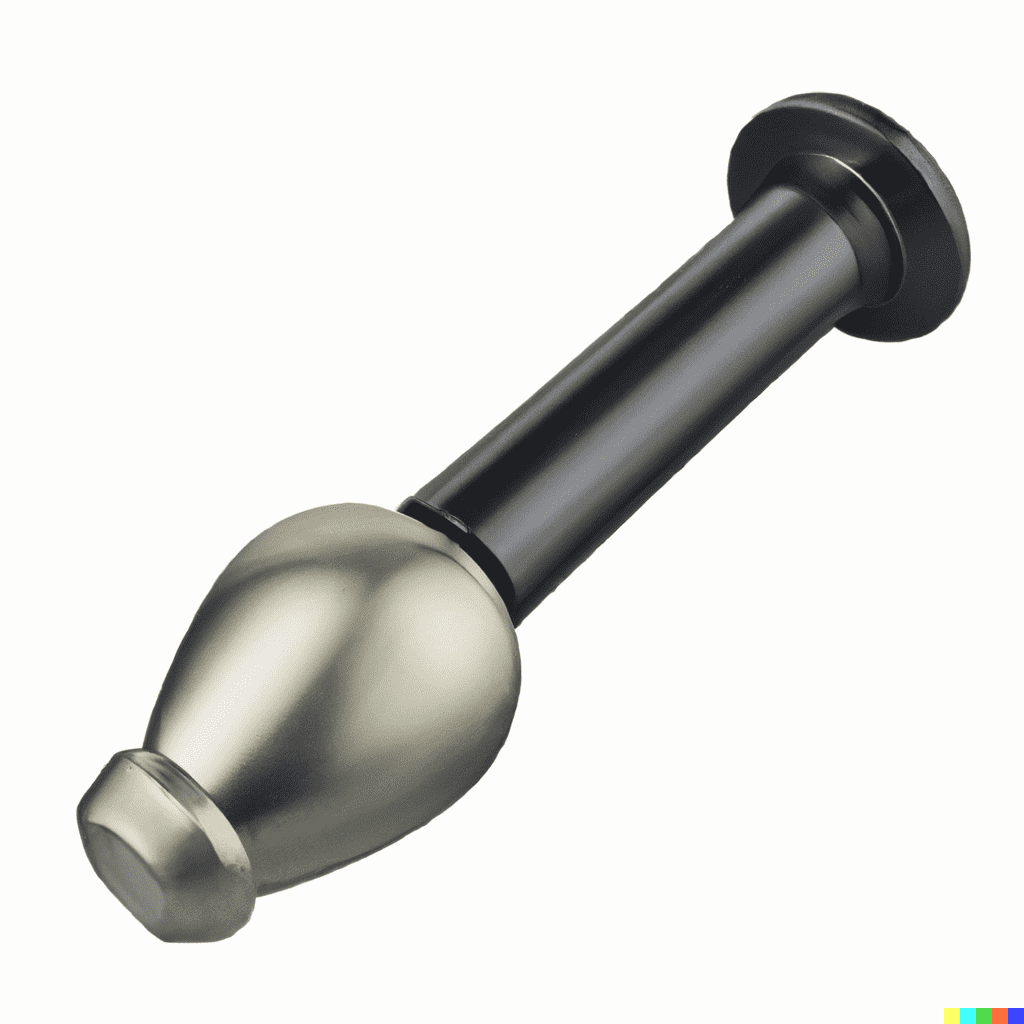
    • Aerospace fasteners: Bolts, nuts, rivets.
    • Missile components: Guidance systems, rocket motors, warhead casings.
    • Defense system parts: Gun barrels, ammunition casings, armored vehicle components.

Turbine Blades

Bulkheads

Control Surfaces

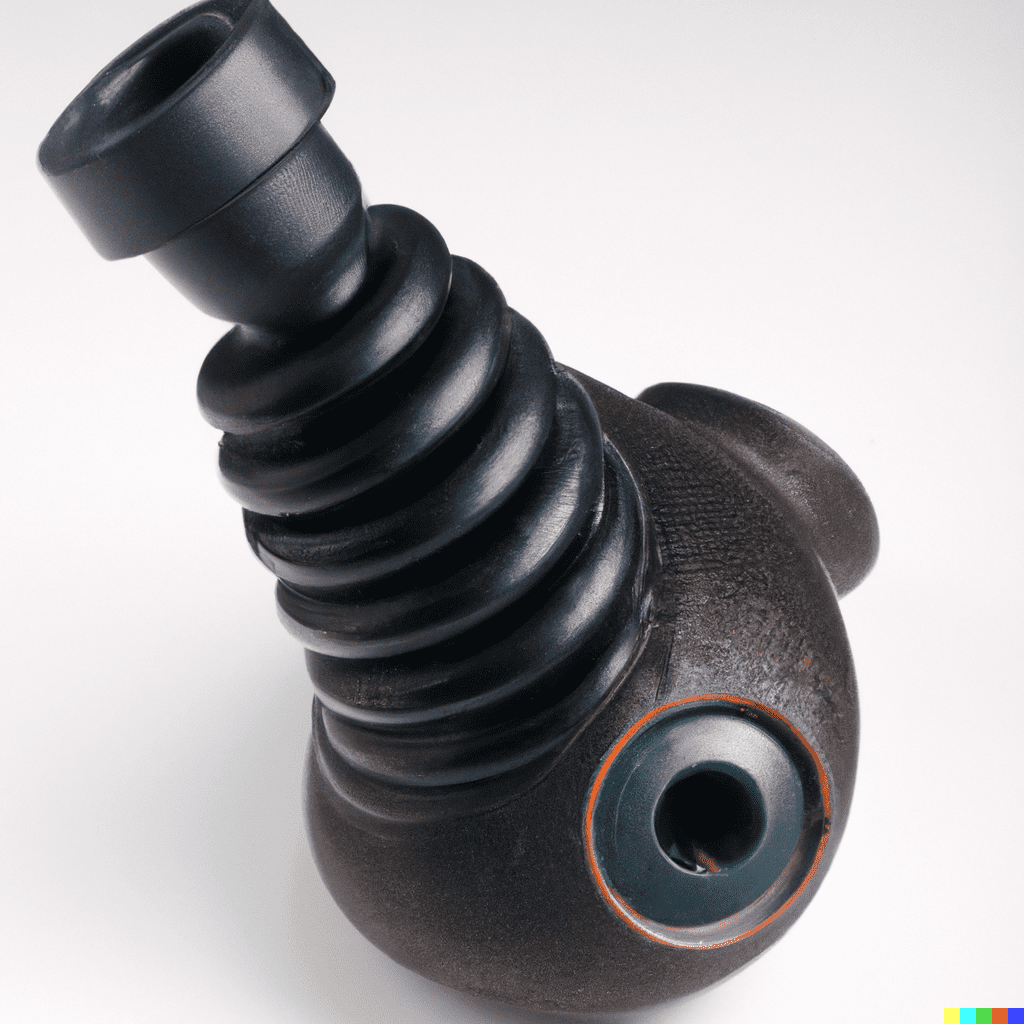
Instrument panel bezels

Fuselage frames

Aircraft skins

Landing gear struts

Wing Ribs

Wing spars

2. Automotive

    • Engine components: Cylinder heads, pistons, crankshafts.
    • Transmission parts: Gears, shafts, synchronizers.
    • Brackets and mounts: Engine mounts, suspension brackets.
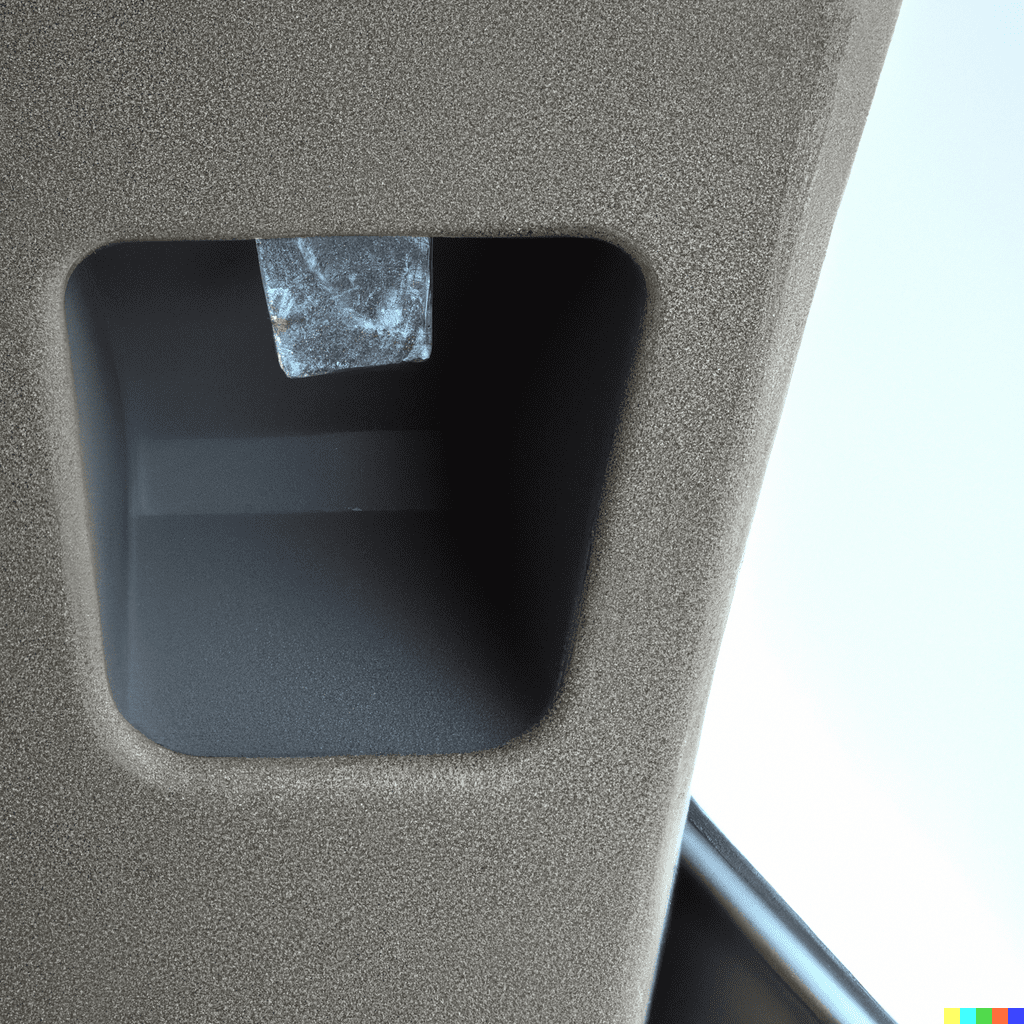
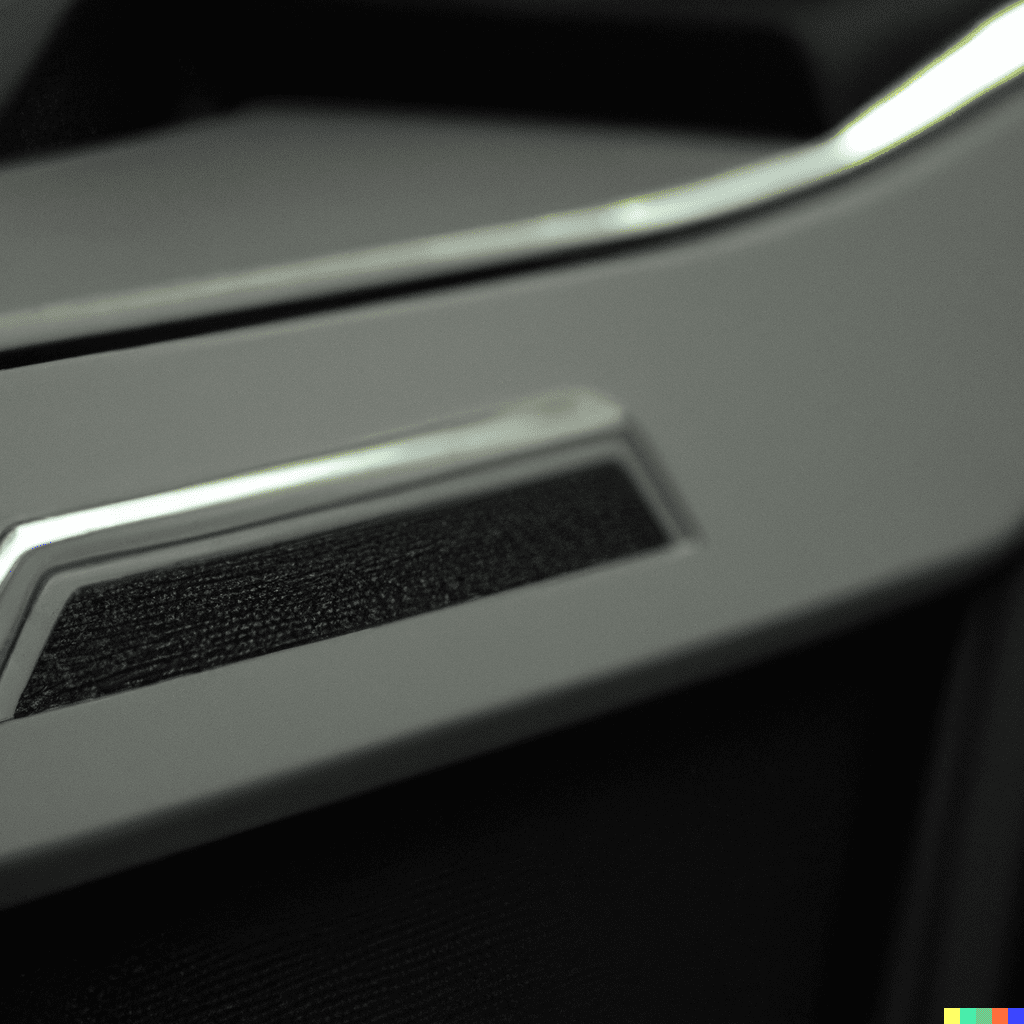
    • Interior trim parts: Dashboard components, door panels.
    • Automotive lighting housings: Headlight assemblies, taillight covers.

3. Consumer Products

    • Electronic enclosures: Housing for electronic devices, control panels.
    • Appliance components: Handles, knobs, control buttons.
    • Custom knobs and handles: Decorative or functional knobs and handles.
    • Decorative accessories: Ornaments, figurines, jewelry components.
    • Personal care product components: Cosmetic containers, toothbrush handles.

4. Energy

    • Turbine parts: Blades, vanes, rotor discs.
    • Pump and valve components: Impellers, valve bodies, seals.
    • Heat exchanger parts: Tubes, fins, headers.
    • Solar panel components: Mounting brackets, frames, junction boxes.
    • Electrical connectors: Cable connectors, terminal blocks, sockets.

5. Medical

    • Surgical instruments: Forceps, scalpels, retractors.
    • Implantable device components: Joint implants, pacemaker components.
    • Prosthetic parts: Limb sockets, joint components.
    • Medical equipment housings: Casing for diagnostic equipment, monitors.
    • Dental appliance components: Denture frames, orthodontic brackets.

6. Oil and Gas

    • Drilling tool components: Drill bits, drill collars, stabilizers.
    • Valve bodies and seats: Gate valves, ball valves, control valves.
    • Pump parts: Impellers, casings, seals.
    • Subsea connectors: Couplings, connectors, riser systems.
    • Pipeline fittings and flanges: Flange connections, pipe connectors, pipeline supports.

Aerospace and defence

CNC Parts

Automotive

CNC Parts

What Changed in How Manufacturing Operates

Manufacturing used to be linear. One supplier. One tool. One factory.

That model no longer holds.

Today, manufacturing is distributed. Products move between regions. Suppliers change. Volumes fluctuate. Risk is managed through redundancy, not loyalty.

In this environment, tooling becomes the connective tissue. If a tool cannot be transferred, replicated, or validated across suppliers, continuity breaks the moment conditions change.

This is why tooling in manufacturing now carries strategic weight. It determines how quickly production can shift, scale, or recover.

Where Tooling Strategy Commonly Fails

The most common failure is ownership ambiguity. Where are the design revisions stored? Who validates the tool when it moves? Without clear answers, tools become stranded assets.

Another failure is treating tooling as a one-time event. The tool is built, approved, and forgotten until it fails. No lifecycle plan. No maintenance strategy. No replication roadmap.

Injection molding highlights this clearly. A mold designed without transferability in mind often cannot be duplicated easily. Cooling layouts, steel selection, and undocumented tweaks live only in one shop. When demand shifts, the tool becomes a bottleneck instead of an asset.

What We’re Seeing Across Programs

What We’re Seeing Across Programs

Across programs we’re involved in, the manufacturers with the least disruption treat tooling as infrastructure.

They document tools as rigorously as products.
They design molds with repeat builds in mind.
They plan for refurbishment and duplication early.

They also decouple tooling knowledge from individual suppliers. That does not mean weakening partnerships. It means ensuring the manufacturer retains control over the asset that governs production continuity.

This shift changes conversations. Tooling reviews become strategic checkpoints. Decisions factor in future volume shifts, secondary suppliers, and risk exposure.

Real-World Signals from Manufacturing Leaders

Automotive manufacturers have long treated tooling as a strategic asset to support multi-plant production and supplier transitions. Toyota’s tooling practices emphasize standardization and transferability to maintain production stability across its network.

In injection molding, global manufacturers increasingly invest in duplicate tooling and standardized mold designs to reduce downtime and ensure continuity across regions, a practice widely documented by industry groups such as the Society of Manufacturing Engineers.

These approaches are not about redundancy for its own sake. They are about resilience.

How to Treat Tooling as a Strategic Asset

Start by defining ownership clearly. Tooling should be contractually and operationally controlled by the manufacturer, even when housed at a supplier.

Next, design tooling for transfer. That means standard mold bases, documented process parameters, and clear revision control. A tool that cannot be moved is a liability.

Then, plan the tooling lifecycle. Assume the tool will need maintenance, refurbishment, or duplication. Budget for it early. Continuity is cheaper to design than to recover.

Finally, keep tooling visible. Track where it is, how it performs, and what risks it carries. Treat it as production infrastructure, not a sunk cost.

This is how tooling in manufacturing becomes more than a line item. It becomes the backbone of continuity, flexibility, and long-term control.

When tooling is managed strategically, manufacturing does not stop when conditions change. It adapts.

How to Treat Tooling as a Strategic Asset

How PrintForm Builds Continuity Into Every Partnership

At PrintForm, we design with continuity as the foundation, not an afterthought.

Every mold we build is documented in detail -cooling layouts, steel grades, process parameters, revision histories. We treat tooling data as infrastructure because we know that visibility determines resilience. When you need to scale, transfer, or duplicate production, the information exists and it is accessible.

Our role is not to control your tooling. It is to ensure you retain control. We operate as a manufacturing partner who understands that the best supplier relationship is one where dependency is minimized and capability is maximized.

This is how we see tooling strategy. Not as a transaction, but as a long-term commitment to the continuity of your production. When you work with PrintForm, you are not just getting parts. You are building the infrastructure that keeps manufacturing moving, no matter what changes.

Consumer Products

CNC Parts

Energy

CNC Parts

Medical

CNC Parts

Oil and Gas

CNC Parts

CNC Materials
1. Stainless steel

A strong and corrosion-resistant material commonly used for CNC machining parts like precision components, medical instruments, and automotive components.

2. Ren

A durable thermoplastic material suitable for CNC machining complex parts like gears, bearings, and bushings, known for its excellent dimensional stability and low friction properties.

3. POM (Acetol)

A versatile engineering plastic widely used for CNC machining components such as precision gears, rollers, and valve bodies due to its low friction, high strength, and dimensional stability.

4. Polycarbonate

An impact-resistant and transparent material often CNC machined into parts like safety goggles, electronic enclosures, and automotive lighting covers due to its excellent strength and optical clarity.

5. PMMA (Acrylic)
  1. A lightweight and transparent material commonly CNC machined into parts like display panels, signage, and lenses due to its optical clarity, UV resistance, and ease of machining.
6. Nylon

A strong and flexible material used for CNC machining parts like gears, pulleys, and bearings due to its high wear resistance, low friction, and excellent mechanical properties.

7.Aluminum
A lightweight and versatile material widely used for CNC machining parts such as housings, brackets, and heat sinks due to its high strength-to-weight ratio, excellent thermal conductivity, and corrosion resistance.
8. ABS

A durable and impact-resistant thermoplastic commonly CNC machined into parts like prototypes, enclosures, and consumer goods due to its good mechanical properties, ease of machining, and wide range of available colors.

9.Brass

A metal alloy known for its excellent machinability and corrosion resistance, often CNC machined into parts like fittings, valves, and decorative components due to its aesthetic appeal and durability.

10. Copper

A highly conductive and malleable material often CNC machined into electrical connectors, heat sinks, and RF shields due to its excellent electrical and thermal properties.

11. Mild Steel

A low-carbon steel commonly CNC machined into parts like brackets, shafts, and structural components due to its strength, machinability, and cost-effectiveness.

12. Magnesium
A lightweight metal used for CNC machining parts like aerospace components, electronic housings, and automotive parts due to its high strength-to-weight ratio, excellent machinability, and good thermal conductivity.
13. Foam

A lightweight and versatile material used for CNC machining applications like packaging inserts, architectural models, and signage due to its ease of machining, low density, and impact-absorbing properties.

14. Delrin

A high-performance engineering plastic known for its excellent dimensional stability, low friction, and high wear resistance, often CNC machined into parts like bushings, gears, and bearings.

1. Stainless steel

A strong and corrosion-resistant material commonly used for CNC machining parts like precision components, medical instruments, and automotive components.

2. Ren

A durable thermoplastic material suitable for CNC machining complex parts like gears, bearings, and bushings, known for its excellent dimensional stability and low friction properties.

3. POM (Acetol)

A versatile engineering plastic widely used for CNC machining components such as precision gears, rollers, and valve bodies due to its low friction, high strength, and dimensional stability.

4. Polycarbonate

An impact-resistant and transparent material often CNC machined into parts like safety goggles, electronic enclosures, and automotive lighting covers due to its excellent strength and optical clarity.

5. PMMA (Acrylic)
  1. A lightweight and transparent material commonly CNC machined into parts like display panels, signage, and lenses due to its optical clarity, UV resistance, and ease of machining.
6. Nylon

A strong and flexible material used for CNC machining parts like gears, pulleys, and bearings due to its high wear resistance, low friction, and excellent mechanical properties.

7.Aluminum
A lightweight and versatile material widely used for CNC machining parts such as housings, brackets, and heat sinks due to its high strength-to-weight ratio, excellent thermal conductivity, and corrosion resistance.
8. ABS

A durable and impact-resistant thermoplastic commonly CNC machined into parts like prototypes, enclosures, and consumer goods due to its good mechanical properties, ease of machining, and wide range of available colors.

9.Brass

A metal alloy known for its excellent machinability and corrosion resistance, often CNC machined into parts like fittings, valves, and decorative components due to its aesthetic appeal and durability.

10. Copper

A highly conductive and malleable material often CNC machined into electrical connectors, heat sinks, and RF shields due to its excellent electrical and thermal properties.

11. Mild Steel

A low-carbon steel commonly CNC machined into parts like brackets, shafts, and structural components due to its strength, machinability, and cost-effectiveness.

12. Magnesium
A lightweight metal used for CNC machining parts like aerospace components, electronic housings, and automotive parts due to its high strength-to-weight ratio, excellent machinability, and good thermal conductivity.
13. Foam

A lightweight and versatile material used for CNC machining applications like packaging inserts, architectural models, and signage due to its ease of machining, low density, and impact-absorbing properties.

14. Delrin

A high-performance engineering plastic known for its excellent dimensional stability, low friction, and high wear resistance, often CNC machined into parts like bushings, gears, and bearings.

Material Mechanical Properties Physical Properties Chemical Properties Features Common Applications
Tensile Strength: 60-70 MPa
Impact Strength: 10-20 kJ/m²
Heat Deflection Temperature: 135-150°C
Transparent or translucent
Good dimensional stability
Resistant to many chemicals and oils
Excellent transparency
High temperature resistance
Aerospace and Defense: Transparent canopies, Medical: Medical device components
Tensile Strength: 40-60 MPa
Impact Strength: 5-20 kJ/m²
Heat Deflection Temperature: 100-120°C
Various colors available
Good dimensional stability
Resistant to many chemicals and oils
Suitable for high-temperature applications
Aerospace and Defense: Engine components, Automotive: Engine components
Tensile Strength: 60-80 MPa
Impact Strength: 20-40 kJ/m²
Density: 1.03 g/cm³
Melting Point: 220-260°C
Various colors available
Low density
Good dimensional stability
Resistant to many chemicals and oils
High strength and impact resistance
Lightweight
Automotive: Bumpers, Aerospace and Defense: Structural components
Tensile Strength: 40-60 MPa
Impact Strength: 5-20 kJ/m²
Density: 1.03 g/cm³
Melting Point: 220-260°C
Black color
Low density
Good dimensional stability
Resistant to many chemicals and oils
Black appearance
Lightweight -
Durable
Consumer Products: Electronics casings, automotive interior parts
Tensile Strength: 40-60 MPa
Impact Strength: 5-20 kJ/m²
Density: 1.03 g/cm³
Melting Point: 220-260°C
White color
Low density
Good dimensional stability
Resistant to many chemicals and oils
White appearance
Lightweight
Durable
Consumer Products: Electronics casings, toys, kitchen appliances
ABS
Good impact resistance
Density: 1.03 g/cm³
Resistant to diluted acids, alkalis
High strength, versatility,
cost-effective
Automotive, Consumer Products
ABS – M30i
- Good tensile strength
- Density: 1.04 g/cm³
- Medical grade
- Biocompatible, sterilizable, suitable for medical devices
Medical
ABS ESD
- Static-dissipative properties
- Density: 1.06 g/cm³
- ESD protection
- Prevents electrostatic discharge, suitable for electronics
Aerospace and Defense, Consumer Products
ABS-Like
- High toughness and durability
- Density: Varies by formulation
- Resistant to various chemicals
- Resembles ABS but may offer specific improvements
Varies by formulation
Accura 25
- High accuracy and resolution
- Density: Varies by formulation
- Photopolymer
- Used in stereolithography 3D printing, fine details
Consumer Products, Medical, Aerospace and Defense
Accura 60
- High strength and durability
- Density: Varies by formulation
- Photopolymer
- Tough and durable, suitable for functional prototypes
Consumer Products, Aerospace and Defense
Accura AMX Rigid Black
- High impact resistance
- Density: Varies by formulation
- Photopolymer
- Rigid and durable, good for functional prototypes
Consumer Products, Aerospace and Defense
Accura ClearVue
- High transparency and clarity
- Density: Varies by formulation
- Photopolymer
- Crystal clear appearance, ideal for clear parts
Consumer Products, Medical
Accura Xtreme Grey/White
- High toughness and durability
- Density: Varies by formulation
- Photopolymer
- Resistant to high temperatures, strong and rigid
Consumer Products, Aerospace and Defense
ASA
- Excellent UV resistance
- Density: 1.07 g/cm³
- Weather-resistant
- Outdoor durability, retains color and strength in sunlight
Automotive, Consumer Products
Nylon
- High tensile strength
- Density: 1.15 g/cm³
- Resistant to moisture, chemicals
- Tough and durable, suitable for functional parts
Aerospace and Defense, Automotive, Consumer Products
Nylon 11 Flame Retardant
- Flame retardant properties
- Density: Varies by formulation
- Flame-resistant
- Fire safety, suitable for applications requiring flame resistance
Aerospace and Defense, Automotive
Nylon 12
- Good chemical resistance
- Density: 1.02 g/cm³
- Resistant to oils, greases
- Versatile, suitable for various industrial applications
Aerospace and Defense, Automotive, Consumer Products, Oil and Gas
Nylon 6
- High impact strength
- Density: 1.14 g/cm³
- Resistant to moisture, abrasion
- Durable, excellent for applications requiring impact resistance
Automotive, Consumer Products
PA 12 Glass Beads
- Improved stiffness and dimensional stability
- Density: Varies by formulation
- Reinforced with glass beads
- Increased stiffness, suitable for engineering applications
Automotive, Aerospace and Defense
PC-ISO
- High strength and heat resistance
- Density: Varies by formulation
- Biocompatible
- Suitable for medical and aerospace applications
Aerospace and Defense, Medical
PC+ABS
- Good impact resistance
- Density: Varies by formulation
- Resistant to chemicals
- Blends properties of PC and ABS, versatile material
Automotive, Consumer Products
PETG
- Excellent transparency and impact resistance
- Density: 1.27 g/cm³
- Food-safe, BPA-free
- Clarity and toughness, ideal for packaging and displays
Consumer Products, Medical
PLA
- Biodegradable and easy to print
- Density: 1.24 g/cm³
- Biodegradable
- Eco-friendly, easy to 3D print
Consumer Products, Medical
Polycarbonate (PC)
- High impact resistance, optical clarity
- Density: 1.20 g/cm³
- Excellent optical properties
- Exceptional clarity and strength, suitable for transparent parts
Aerospace and Defense, Consumer Products, Medical
Polypropylene
- Low density and good chemical resistance
- Density: 0.90 g/cm³
- Resistant to moisture, chemicals
- Lightweight, suitable for low-stress applications
Consumer Products, Automotive
Rubber-Like
- Flexible and rubber-like properties
- Density: Varies by formulation
- Flexible elastomer
- Mimics rubber, suitable for gaskets and seals
Automotive, Consumer Products
Somos Evolve
- High strength and heat resistance
- Density: Varies by formulation
- Photopolymer
- Engineering-grade material, suitable for functional prototypes
Aerospace and Defense, Automotive
Somos PerFORM
- High stiffness and heat resistance
- Density: Varies by formulation
- Photopolymer
- Strong and stiff, ideal for high-temperature applications
Aerospace and Defense
Somos Waterclear
- High transparency and clarity
- Density: Varies by formulation
- Photopolymer
- Transparent, suitable for clear prototypes and parts
Consumer Products, Medical
Somos Watershed
- Excellent clarity and water resistance
- Density: Varies by formulation
- Photopolymer
- Waterproof, suitable for water-resistant parts
Consumer Products, Medical
ST-130
- High toughness and durability
- Density: Varies by formulation
- Photopolymer
- Rigid, tough, and durable, good for functional prototypes
Consumer Products, Aerospace and Defense
TPU 88A
- Flexible and elastomeric properties
- Density: Varies by formulation
- Thermoplastic polyurethane
- Flexibility and resilience, suitable for elastomeric parts
Automotive, Consumer Products, Medical
Ultem 1010
- High strength, heat, and chemical resistance
- Density: 1.27 g/cm³
- Flame-resistant, UL 94 V0
- Engineering-grade thermoplastic with excellent properties
Aerospace and Defense, Automotive, Oil and Gas
Ultem 9085
- High strength, heat, and chemical resistance
- Density: 1.27 g/cm³
- Flame-resistant, UL 94 V0
- Suitable for aerospace and transportation applications
Aerospace and Defense, Automotive
Vero
- Rigid and durable
- Density: Varies by formulation
- Photopolymer
- Versatile material, good for prototypes and models
Consumer Products, Aerospace and Defense
VeroClear
- High transparency and clarity
- Density: Varies by formulation
- Photopolymer
- Transparent appearance, ideal for clear parts
Consumer Products, Medical
CNC Finishes
  1. Anodizing: An electrochemical process that enhances the surface of metal parts with a protective oxide layer, offering increased corrosion resistance and improved aesthetics. It is preferred for aluminum parts that require durability, color options, and resistance to wear and weathering.
  2. Painting: The application of a protective coating on CNC machined parts to provide aesthetic appeal, color customization, and added protection against corrosion. It is preferred when parts require specific colors, branding, or a decorative finish.
  3. Pad Printing: A printing technique where ink is transferred from a silicone pad onto CNC machined parts, allowing for detailed and precise graphics, text, or logos to be applied. It is preferred when parts require intricate designs, branding, or labeling.
  4. Sanding and Polishing: The process of smoothing the surface of CNC machined parts through abrasion to achieve a desired finish. It is preferred when parts require a smooth, glossy, or reflective surface for aesthetics, improved functionality, or ease of cleaning.
  5. Vapor Polishing: A process that involves exposing CNC machined parts to vaporized solvents, resulting in the surface being melted and re-solidified, producing a high-gloss finish. It is preferred for transparent or clear parts, such as acrylic or polycarbonate, when a glossy and optically clear finish is desired.
  6. Blasting: The use of abrasive materials, such as sand or glass beads, to remove surface imperfections, burrs, or scale from CNC machined parts, resulting in a uniform texture or a matte finish. It is preferred when parts require a textured appearance, improved adhesion for coatings, or to remove sharp edges or burrs.
CNC Parts

1. Aerospace and Defense

    • Aircraft components: Wings, fuselage, landing gear.
    • Engine parts: Turbine blades, combustion chambers, fuel nozzles.
    • Aerospace fasteners: Bolts, nuts, rivets.
    • Missile components: Guidance systems, rocket motors, warhead casings.
    • Defense system parts: Gun barrels, ammunition casings, armored vehicle components.

Turbine Blades

Bulkheads

Control Surfaces

Instrument panel bezels

Fuselage frames

Aircraft skins

Landing gear struts

Wing Ribs

Wing spars

2. Automotive

    • Engine components: Cylinder heads, pistons, crankshafts.
    • Transmission parts: Gears, shafts, synchronizers.
    • Brackets and mounts: Engine mounts, suspension brackets.
    • Interior trim parts: Dashboard components, door panels.
    • Automotive lighting housings: Headlight assemblies, taillight covers.

3. Consumer Products

    • Electronic enclosures: Housing for electronic devices, control panels.
    • Appliance components: Handles, knobs, control buttons.
    • Custom knobs and handles: Decorative or functional knobs and handles.
    • Decorative accessories: Ornaments, figurines, jewelry components.
    • Personal care product components: Cosmetic containers, toothbrush handles.

4. Energy

    • Turbine parts: Blades, vanes, rotor discs.
    • Pump and valve components: Impellers, valve bodies, seals.
    • Heat exchanger parts: Tubes, fins, headers.
    • Solar panel components: Mounting brackets, frames, junction boxes.
    • Electrical connectors: Cable connectors, terminal blocks, sockets.

5. Medical

    • Surgical instruments: Forceps, scalpels, retractors.
    • Implantable device components: Joint implants, pacemaker components.
    • Prosthetic parts: Limb sockets, joint components.
    • Medical equipment housings: Casing for diagnostic equipment, monitors.
    • Dental appliance components: Denture frames, orthodontic brackets.

6. Oil and Gas

    • Drilling tool components: Drill bits, drill collars, stabilizers.
    • Valve bodies and seats: Gate valves, ball valves, control valves.
    • Pump parts: Impellers, casings, seals.
    • Subsea connectors: Couplings, connectors, riser systems.
    • Pipeline fittings and flanges: Flange connections, pipe connectors, pipeline supports.

Aerospace and defence

CNC Parts

Automotive

CNC Parts

Consumer Products

CNC Parts

Energy

CNC Parts

Medical

CNC Parts

Oil and Gas

CNC Parts

Recent Posts
Blog Pagination

The New Playbook for Material Agility: Designing Products That Survive Resin Shortages

March 3, 2026

A product manager at a medical device company got the call on a Tuesday morning. Their primary resin supplier declared force majeure. Production stopped.

When Prototypes Fail in Production - and How to Prevent It

February 24, 2026

A medical device startup spent eight months perfecting their prototypes. The design won awards. Investors lined up. Then they scaled to production, and the failure rate hit 40 percent.

How to Choose Between Manufacturing Processes for Functional Prototypes and Low-Volume Production

February 17, 2026

When selecting the manufacturing process for functional prototypes or low-volume production, the decision can often feel overwhelming.

Tooling as a Strategic Asset: The Missing Link in Manufacturing Continuity

February 10, 2026

The production line was ready. Materials were in. Demand was real. Then a single tool cracked.

How Design for Manufacturing and Assembly (DFMA) Builds Predictability from Day One

February 03, 2026

The first prototype looked perfect on screen. Clean geometry. Tight tolerances. Everyone nodded in the review.

Why Resilience Has Replaced Cost as the New Competitive Advantage in Injection Molding

January 27, 2026

In early 2020, a mid-sized molding supplier in Eastern Europe found itself in an unforeseen crisis.

The Biggest Prototyping Bottlenecks Engineers Face Today – And How to Fix Them

January 20, 2026

In Silicon Valley, a product team racing against time had their prototype ready but something was wrong.

Top 10 (CAD) Computer Aided Design Mistakes That Delay Manufacturing

January 13, 2026

The part looked right on the screen. It cleared internal review. It even passed a quick Design For Manufacturing (DFM) check inside the Computer Aided Design environment.

What’s Driving the Surge in Prototype Demand for Robotics, Aerospace, and Medical Industries

January 8, 2026

Rapid Prototyping Is No Longer a Safety Net. It’s the Critical Path.

Empowering Medical Innovations: PrintForm's Cutting-Edge Manufacturing Services

March 16, 2024

In the rapidly evolving healthcare and medical product development marketplace...

The Transformative Power of CNC Machining

October 17, 2023

In the realm of modern manufacturing, CNC machining redefines precision...

FDM 3D Printing Revolutionizing EV Manufacturing

July 07, 2023

The EV industry is evolving rapidly with the help of 3D printing...

3D PRINTING VS COVID-19

January 22, 2021

Dramatic healthcare needs during COVID-19 created urgent manufacturing demand...

PrintForm’s Online Instant Quoting System

October 27, 2020

Getting quotes has never been more convenient...

PrintForm Ends 2018 With NPS of 76

January 14, 2019

Another successful year for PrintForm driven by customer satisfaction...

Injection Molding Glossary

June 25, 2018

Our molding experience has grown tremendously over the years...

Design Considerations For SLS

August 25, 2017

SLS technology is suitable for complex designs and applications...

Unmatched Manufacturing Results through Precision Engineering

Experience the power of PrintForm’s CNC machining services, where precision meets versatility. Our advanced manufacturing processes and skilled engineering team offer an extensive array of finish and secondary processing options. With a commitment to exceeding your expectations, we prioritize your unique requirements over any specific technology or machine. Whether it’s high-quality plastic or metal components, our CNC machining capabilities deliver unmatched dimensional accuracy, critical surface finishes, and material-specific properties. Trust PrintForm to provide precision engineering solutions that empower your success in today’s competitive landscape.

1. Aerospace and Defense

CNC Materials
  1. Stainless steel: A strong and corrosion-resistant material commonly used for CNC machining parts like precision components, medical instruments, and automotive components.
  2. Ren: A durable thermoplastic material suitable for CNC machining complex parts like gears, bearings, and bushings, known for its excellent dimensional stability and low friction properties.
  3. POM (Acetol): A versatile engineering plastic widely used for CNC machining components such as precision gears, rollers, and valve bodies due to its low friction, high strength, and dimensional stability.
  4. Polycarbonate: An impact-resistant and transparent material often CNC machined into parts like safety goggles, electronic enclosures, and automotive lighting covers due to its excellent strength and optical clarity.
  5. PMMA (Acrylic): A lightweight and transparent material commonly CNC machined into parts like display panels, signage, and lenses due to its optical clarity, UV resistance, and ease of machining.
  6. Nylon: A strong and flexible material used for CNC machining parts like gears, pulleys, and bearings due to its high wear resistance, low friction, and excellent mechanical properties.
  7. Aluminum: A lightweight and versatile material widely used for CNC machining parts such as housings, brackets, and heat sinks due to its high strength-to-weight ratio, excellent thermal conductivity, and corrosion resistance.
  8. ABS: A durable and impact-resistant thermoplastic commonly CNC machined into parts like prototypes, enclosures, and consumer goods due to its good mechanical properties, ease of machining, and wide range of available colors.
  9. Brass: A metal alloy known for its excellent machinability and corrosion resistance, often CNC machined into parts like fittings, valves, and decorative components due to its aesthetic appeal and durability.
  10. Copper: A highly conductive and malleable material often CNC machined into electrical connectors, heat sinks, and RF shields due to its excellent electrical and thermal properties.
  11. Mild steel: A low-carbon steel commonly CNC machined into parts like brackets, shafts, and structural components due to its strength, machinability, and cost-effectiveness.
  12. Magnesium: A lightweight metal used for CNC machining parts like aerospace components, electronic housings, and automotive parts due to its high strength-to-weight ratio, excellent machinability, and good thermal conductivity.
  13. Foam: A lightweight and versatile material used for CNC machining applications like packaging inserts, architectural models, and signage due to its ease of machining, low density, and impact-absorbing properties.
  14. Delrin: A high-performance engineering plastic known for its excellent dimensional stability, low friction, and high wear resistance, often CNC machined into parts like bushings, gears, and bearings.
CNC Finishes
  1. Anodizing: An electrochemical process that enhances the surface of metal parts with a protective oxide layer, offering increased corrosion resistance and improved aesthetics. It is preferred for aluminum parts that require durability, color options, and resistance to wear and weathering.
  2. Painting: The application of a protective coating on CNC machined parts to provide aesthetic appeal, color customization, and added protection against corrosion. It is preferred when parts require specific colors, branding, or a decorative finish.
  3. Pad Printing: A printing technique where ink is transferred from a silicone pad onto CNC machined parts, allowing for detailed and precise graphics, text, or logos to be applied. It is preferred when parts require intricate designs, branding, or labeling.
  4. Sanding and Polishing: The process of smoothing the surface of CNC machined parts through abrasion to achieve a desired finish. It is preferred when parts require a smooth, glossy, or reflective surface for aesthetics, improved functionality, or ease of cleaning.
  5. Vapor Polishing: A process that involves exposing CNC machined parts to vaporized solvents, resulting in the surface being melted and re-solidified, producing a high-gloss finish. It is preferred for transparent or clear parts, such as acrylic or polycarbonate, when a glossy and optically clear finish is desired.
  6. Blasting: The use of abrasive materials, such as sand or glass beads, to remove surface imperfections, burrs, or scale from CNC machined parts, resulting in a uniform texture or a matte finish. It is preferred when parts require a textured appearance, improved adhesion for coatings, or to remove sharp edges or burrs.
CNC Parts
1. Stainless steel

A strong and corrosion-resistant material commonly used for CNC machining parts like precision components, medical instruments, and automotive components.

2. Ren

A durable thermoplastic material suitable for CNC machining complex parts like gears, bearings, and bushings, known for its excellent dimensional stability and low friction properties.

3. POM (Acetol)

A versatile engineering plastic widely used for CNC machining components such as precision gears, rollers, and valve bodies due to its low friction, high strength, and dimensional stability.

4. Polycarbonate

An impact-resistant and transparent material often CNC machined into parts like safety goggles, electronic enclosures, and automotive lighting covers due to its excellent strength and optical clarity.

5. PMMA (Acrylic)
  1. A lightweight and transparent material commonly CNC machined into parts like display panels, signage, and lenses due to its optical clarity, UV resistance, and ease of machining.
6. Nylon

A strong and flexible material used for CNC machining parts like gears, pulleys, and bearings due to its high wear resistance, low friction, and excellent mechanical properties.

7.Aluminum
A lightweight and versatile material widely used for CNC machining parts such as housings, brackets, and heat sinks due to its high strength-to-weight ratio, excellent thermal conductivity, and corrosion resistance.
8. ABS

A durable and impact-resistant thermoplastic commonly CNC machined into parts like prototypes, enclosures, and consumer goods due to its good mechanical properties, ease of machining, and wide range of available colors.

9.Brass

A metal alloy known for its excellent machinability and corrosion resistance, often CNC machined into parts like fittings, valves, and decorative components due to its aesthetic appeal and durability.

10. Copper

A highly conductive and malleable material often CNC machined into electrical connectors, heat sinks, and RF shields due to its excellent electrical and thermal properties.

11. Mild Steel

A low-carbon steel commonly CNC machined into parts like brackets, shafts, and structural components due to its strength, machinability, and cost-effectiveness.

12. Magnesium
A lightweight metal used for CNC machining parts like aerospace components, electronic housings, and automotive parts due to its high strength-to-weight ratio, excellent machinability, and good thermal conductivity.
13. Foam

A lightweight and versatile material used for CNC machining applications like packaging inserts, architectural models, and signage due to its ease of machining, low density, and impact-absorbing properties.

14. Delrin

A high-performance engineering plastic known for its excellent dimensional stability, low friction, and high wear resistance, often CNC machined into parts like bushings, gears, and bearings.

1. Stainless steel

A strong and corrosion-resistant material commonly used for CNC machining parts like precision components, medical instruments, and automotive components.

2. Ren

A durable thermoplastic material suitable for CNC machining complex parts like gears, bearings, and bushings, known for its excellent dimensional stability and low friction properties.

3. POM (Acetol)

A versatile engineering plastic widely used for CNC machining components such as precision gears, rollers, and valve bodies due to its low friction, high strength, and dimensional stability.

4. Polycarbonate

An impact-resistant and transparent material often CNC machined into parts like safety goggles, electronic enclosures, and automotive lighting covers due to its excellent strength and optical clarity.

5. PMMA (Acrylic)
  1. A lightweight and transparent material commonly CNC machined into parts like display panels, signage, and lenses due to its optical clarity, UV resistance, and ease of machining.
6. Nylon

A strong and flexible material used for CNC machining parts like gears, pulleys, and bearings due to its high wear resistance, low friction, and excellent mechanical properties.

7.Aluminum
A lightweight and versatile material widely used for CNC machining parts such as housings, brackets, and heat sinks due to its high strength-to-weight ratio, excellent thermal conductivity, and corrosion resistance.
8. ABS

A durable and impact-resistant thermoplastic commonly CNC machined into parts like prototypes, enclosures, and consumer goods due to its good mechanical properties, ease of machining, and wide range of available colors.

9.Brass

A metal alloy known for its excellent machinability and corrosion resistance, often CNC machined into parts like fittings, valves, and decorative components due to its aesthetic appeal and durability.

10. Copper

A highly conductive and malleable material often CNC machined into electrical connectors, heat sinks, and RF shields due to its excellent electrical and thermal properties.

11. Mild Steel

A low-carbon steel commonly CNC machined into parts like brackets, shafts, and structural components due to its strength, machinability, and cost-effectiveness.

12. Magnesium
A lightweight metal used for CNC machining parts like aerospace components, electronic housings, and automotive parts due to its high strength-to-weight ratio, excellent machinability, and good thermal conductivity.
13. Foam

A lightweight and versatile material used for CNC machining applications like packaging inserts, architectural models, and signage due to its ease of machining, low density, and impact-absorbing properties.

14. Delrin

A high-performance engineering plastic known for its excellent dimensional stability, low friction, and high wear resistance, often CNC machined into parts like bushings, gears, and bearings.

Material Mechanical Properties Physical Properties Chemical Properties Features Common Applications
Tensile Strength: 60-70 MPa
Impact Strength: 10-20 kJ/m²
Heat Deflection Temperature: 135-150°C
Transparent or translucent
Good dimensional stability
Resistant to many chemicals and oils
Excellent transparency
High temperature resistance
Aerospace and Defense: Transparent canopies, Medical: Medical device components
Tensile Strength: 40-60 MPa
Impact Strength: 5-20 kJ/m²
Heat Deflection Temperature: 100-120°C
Various colors available
Good dimensional stability
Resistant to many chemicals and oils
Suitable for high-temperature applications
Aerospace and Defense: Engine components, Automotive: Engine components
Tensile Strength: 60-80 MPa
Impact Strength: 20-40 kJ/m²
Density: 1.03 g/cm³
Melting Point: 220-260°C
Various colors available
Low density
Good dimensional stability
Resistant to many chemicals and oils
High strength and impact resistance
Lightweight
Automotive: Bumpers, Aerospace and Defense: Structural components
Tensile Strength: 40-60 MPa
Impact Strength: 5-20 kJ/m²
Density: 1.03 g/cm³
Melting Point: 220-260°C
Black color
Low density
Good dimensional stability
Resistant to many chemicals and oils
Black appearance
Lightweight -
Durable
Consumer Products: Electronics casings, automotive interior parts
Tensile Strength: 40-60 MPa
Impact Strength: 5-20 kJ/m²
Density: 1.03 g/cm³
Melting Point: 220-260°C
White color
Low density
Good dimensional stability
Resistant to many chemicals and oils
White appearance
Lightweight
Durable
Consumer Products: Electronics casings, toys, kitchen appliances
ABS
Good impact resistance
Density: 1.03 g/cm³
Resistant to diluted acids, alkalis
High strength, versatility,
cost-effective
Automotive, Consumer Products
ABS – M30i
- Good tensile strength
- Density: 1.04 g/cm³
- Medical grade
- Biocompatible, sterilizable, suitable for medical devices
Medical
ABS ESD
- Static-dissipative properties
- Density: 1.06 g/cm³
- ESD protection
- Prevents electrostatic discharge, suitable for electronics
Aerospace and Defense, Consumer Products
ABS-Like
- High toughness and durability
- Density: Varies by formulation
- Resistant to various chemicals
- Resembles ABS but may offer specific improvements
Varies by formulation
Accura 25
- High accuracy and resolution
- Density: Varies by formulation
- Photopolymer
- Used in stereolithography 3D printing, fine details
Consumer Products, Medical, Aerospace and Defense
Accura 60
- High strength and durability
- Density: Varies by formulation
- Photopolymer
- Tough and durable, suitable for functional prototypes
Consumer Products, Aerospace and Defense
Accura AMX Rigid Black
- High impact resistance
- Density: Varies by formulation
- Photopolymer
- Rigid and durable, good for functional prototypes
Consumer Products, Aerospace and Defense
Accura ClearVue
- High transparency and clarity
- Density: Varies by formulation
- Photopolymer
- Crystal clear appearance, ideal for clear parts
Consumer Products, Medical
Accura Xtreme Grey/White
- High toughness and durability
- Density: Varies by formulation
- Photopolymer
- Resistant to high temperatures, strong and rigid
Consumer Products, Aerospace and Defense
ASA
- Excellent UV resistance
- Density: 1.07 g/cm³
- Weather-resistant
- Outdoor durability, retains color and strength in sunlight
Automotive, Consumer Products
Nylon
- High tensile strength
- Density: 1.15 g/cm³
- Resistant to moisture, chemicals
- Tough and durable, suitable for functional parts
Aerospace and Defense, Automotive, Consumer Products
Nylon 11 Flame Retardant
- Flame retardant properties
- Density: Varies by formulation
- Flame-resistant
- Fire safety, suitable for applications requiring flame resistance
Aerospace and Defense, Automotive
Nylon 12
- Good chemical resistance
- Density: 1.02 g/cm³
- Resistant to oils, greases
- Versatile, suitable for various industrial applications
Aerospace and Defense, Automotive, Consumer Products, Oil and Gas
Nylon 6
- High impact strength
- Density: 1.14 g/cm³
- Resistant to moisture, abrasion
- Durable, excellent for applications requiring impact resistance
Automotive, Consumer Products
PA 12 Glass Beads
- Improved stiffness and dimensional stability
- Density: Varies by formulation
- Reinforced with glass beads
- Increased stiffness, suitable for engineering applications
Automotive, Aerospace and Defense
PC-ISO
- High strength and heat resistance
- Density: Varies by formulation
- Biocompatible
- Suitable for medical and aerospace applications
Aerospace and Defense, Medical
PC+ABS
- Good impact resistance
- Density: Varies by formulation
- Resistant to chemicals
- Blends properties of PC and ABS, versatile material
Automotive, Consumer Products
PETG
- Excellent transparency and impact resistance
- Density: 1.27 g/cm³
- Food-safe, BPA-free
- Clarity and toughness, ideal for packaging and displays
Consumer Products, Medical
PLA
- Biodegradable and easy to print
- Density: 1.24 g/cm³
- Biodegradable
- Eco-friendly, easy to 3D print
Consumer Products, Medical
Polycarbonate (PC)
- High impact resistance, optical clarity
- Density: 1.20 g/cm³
- Excellent optical properties
- Exceptional clarity and strength, suitable for transparent parts
Aerospace and Defense, Consumer Products, Medical
Polypropylene
- Low density and good chemical resistance
- Density: 0.90 g/cm³
- Resistant to moisture, chemicals
- Lightweight, suitable for low-stress applications
Consumer Products, Automotive
Rubber-Like
- Flexible and rubber-like properties
- Density: Varies by formulation
- Flexible elastomer
- Mimics rubber, suitable for gaskets and seals
Automotive, Consumer Products
Somos Evolve
- High strength and heat resistance
- Density: Varies by formulation
- Photopolymer
- Engineering-grade material, suitable for functional prototypes
Aerospace and Defense, Automotive
Somos PerFORM
- High stiffness and heat resistance
- Density: Varies by formulation
- Photopolymer
- Strong and stiff, ideal for high-temperature applications
Aerospace and Defense
Somos Waterclear
- High transparency and clarity
- Density: Varies by formulation
- Photopolymer
- Transparent, suitable for clear prototypes and parts
Consumer Products, Medical
Somos Watershed
- Excellent clarity and water resistance
- Density: Varies by formulation
- Photopolymer
- Waterproof, suitable for water-resistant parts
Consumer Products, Medical
ST-130
- High toughness and durability
- Density: Varies by formulation
- Photopolymer
- Rigid, tough, and durable, good for functional prototypes
Consumer Products, Aerospace and Defense
TPU 88A
- Flexible and elastomeric properties
- Density: Varies by formulation
- Thermoplastic polyurethane
- Flexibility and resilience, suitable for elastomeric parts
Automotive, Consumer Products, Medical
Ultem 1010
- High strength, heat, and chemical resistance
- Density: 1.27 g/cm³
- Flame-resistant, UL 94 V0
- Engineering-grade thermoplastic with excellent properties
Aerospace and Defense, Automotive, Oil and Gas
Ultem 9085
- High strength, heat, and chemical resistance
- Density: 1.27 g/cm³
- Flame-resistant, UL 94 V0
- Suitable for aerospace and transportation applications
Aerospace and Defense, Automotive
Vero
- Rigid and durable
- Density: Varies by formulation
- Photopolymer
- Versatile material, good for prototypes and models
Consumer Products, Aerospace and Defense
VeroClear
- High transparency and clarity
- Density: Varies by formulation
- Photopolymer
- Transparent appearance, ideal for clear parts
Consumer Products, Medical
  1. Stainless steel: A strong and corrosion-resistant material commonly used for CNC machining parts like precision components, medical instruments, and automotive components.
  2. Ren: A durable thermoplastic material suitable for CNC machining complex parts like gears, bearings, and bushings, known for its excellent dimensional stability and low friction properties.
  3. POM (Acetol): A versatile engineering plastic widely used for CNC machining components such as precision gears, rollers, and valve bodies due to its low friction, high strength, and dimensional stability.
  4. Polycarbonate: An impact-resistant and transparent material often CNC machined into parts like safety goggles, electronic enclosures, and automotive lighting covers due to its excellent strength and optical clarity.
  5. PMMA (Acrylic): A lightweight and transparent material commonly CNC machined into parts like display panels, signage, and lenses due to its optical clarity, UV resistance, and ease of machining.
  6. Nylon: A strong and flexible material used for CNC machining parts like gears, pulleys, and bearings due to its high wear resistance, low friction, and excellent mechanical properties.
  7. Aluminum: A lightweight and versatile material widely used for CNC machining parts such as housings, brackets, and heat sinks due to its high strength-to-weight ratio, excellent thermal conductivity, and corrosion resistance.
  8. ABS: A durable and impact-resistant thermoplastic commonly CNC machined into parts like prototypes, enclosures, and consumer goods due to its good mechanical properties, ease of machining, and wide range of available colors.
  9. Brass: A metal alloy known for its excellent machinability and corrosion resistance, often CNC machined into parts like fittings, valves, and decorative components due to its aesthetic appeal and durability.
  10. Copper: A highly conductive and malleable material often CNC machined into electrical connectors, heat sinks, and RF shields due to its excellent electrical and thermal properties.
  11. Mild steel: A low-carbon steel commonly CNC machined into parts like brackets, shafts, and structural components due to its strength, machinability, and cost-effectiveness.
  12. Magnesium: A lightweight metal used for CNC machining parts like aerospace components, electronic housings, and automotive parts due to its high strength-to-weight ratio, excellent machinability, and good thermal conductivity.
  13. Foam: A lightweight and versatile material used for CNC machining applications like packaging inserts, architectural models, and signage due to its ease of machining, low density, and impact-absorbing properties.
  14. Delrin: A high-performance engineering plastic known for its excellent dimensional stability, low friction, and high wear resistance, often CNC machined into parts like bushings, gears, and bearings.
  1. Anodizing: An electrochemical process that enhances the surface of metal parts with a protective oxide layer, offering increased corrosion resistance and improved aesthetics. It is preferred for aluminum parts that require durability, color options, and resistance to wear and weathering.
  2. Painting: The application of a protective coating on CNC machined parts to provide aesthetic appeal, color customization, and added protection against corrosion. It is preferred when parts require specific colors, branding, or a decorative finish.
  3. Pad Printing: A printing technique where ink is transferred from a silicone pad onto CNC machined parts, allowing for detailed and precise graphics, text, or logos to be applied. It is preferred when parts require intricate designs, branding, or labeling.
  4. Sanding and Polishing: The process of smoothing the surface of CNC machined parts through abrasion to achieve a desired finish. It is preferred when parts require a smooth, glossy, or reflective surface for aesthetics, improved functionality, or ease of cleaning.
  5. Vapor Polishing: A process that involves exposing CNC machined parts to vaporized solvents, resulting in the surface being melted and re-solidified, producing a high-gloss finish. It is preferred for transparent or clear parts, such as acrylic or polycarbonate, when a glossy and optically clear finish is desired.
  6. Blasting: The use of abrasive materials, such as sand or glass beads, to remove surface imperfections, burrs, or scale from CNC machined parts, resulting in a uniform texture or a matte finish. It is preferred when parts require a textured appearance, improved adhesion for coatings, or to remove sharp edges or burrs.
  1. Aerospace and Defense:
    1. Aircraft components: Wings, fuselage, landing gear.
    2. Engine parts: Turbine blades, combustion chambers, fuel nozzles.
    3. Aerospace fasteners: Turbine blades, combustion chambers, fuel nozzles.
    4. Missile components: Turbine blades, combustion chambers, fuel nozzles.
    5. Defense system parts: Turbine blades, combustion chambers, fuel nozzles.
  2. Automotive:
    1. Engine components: Cylinder heads, pistons, crankshafts.
    2. Transmission parts: Gears, shafts, synchronizers.
    3. Brackets and mounts: Engine mounts, suspension brackets.
    4. Interior trim parts: Dashboard components, door panels.
    5. Automotive lighting housings: Headlight assemblies, taillight covers.
  3. Consumer Products:
    1. Electronic enclosures: Housing for electronic devices, control panels.
    2. Appliance components: Handles, knobs, control buttons.
    3. Custom knobs and handles: Decorative or functional knobs and handles.
    4. Decorative accessories: Ornaments, figurines, jewelry components.
    5. Personal care product components: Cosmetic containers, toothbrush handles.
  4. Energy:
    1. Turbine parts: Blades, vanes, rotor discs.
    2. Pump and valve components: Impellers, valve bodies, seals.
    3. Heat exchanger parts: Tubes, fins, headers.
    4. Solar panel components: Mounting brackets, frames, junction boxes.
    5. Electrical connectors: Cable connectors, terminal blocks, sockets.
  5. Medical:
    1. Surgical instruments: Forceps, scalpels, retractors.
    2. Implantable device components: Joint implants, pacemaker components.
    3. Prosthetic parts: Limb sockets, joint components.
    4. Medical equipment housings: Casing for diagnostic equipment, monitors.
    5. Dental appliance components: Denture frames, orthodontic brackets.
  6. Oil and Gas:
    1. Drilling tool components: Drill bits, drill collars, stabilizers.
    2. Valve bodies and seats: Gate valves, ball valves, control valves.
    3. Pump parts: Impellers, casings, seals.
    4. Subsea connectors: Couplings, connectors, riser systems.
    5. Pipeline fittings and flanges: Flange connections, pipe connectors, pipeline supports.
“Our experience with PrintForm was very positive. The interaction with their engineering team was very enlightening and they were extremely helpful in assisting us with getting our item from concept to completed prototype.”
JONATHAN R., AEROSPACE DESIGN TECHNICIAN

Need more details?

We are here to assist. Contact us by phone, email or via our social media channels.