Need Parts?

Where Injection Molding Quotes Hide Margin

The procurement team had three quotes on the table. They ranged from $0.58 to $0.91 per part at 50,000 units annually. The team chose the lowest. Six months into production, the actual blended cost was running at $0.74, still better than the highest quote, but 27% above what was contracted. The shortfall wasn’t fraud. It was an assumption.

The winning supplier had quoted a 22-second cycle time. Actual production was running at 29 seconds. They had assumed a 2% scrap rate; production was holding 4.5% due to gate blush on a cosmetically sensitive surface. They had quoted four-cavity tooling but built two cavities to stay within their mold-build budget. Every one of those assumptions was in the fine print, technically present, practically invisible.

Injection molding quotes are not prices. They are models. The accuracy of the model depends entirely on the assumptions built into it, most of which are not volunteered without being asked. Understanding where margin hides in a quote is not an audit exercise. It is the foundation for any sourcing decision that will hold up when production actually runs.

CNC Materials
1. Stainless steel

A strong and corrosion-resistant material commonly used for CNC machining parts like precision components, medical instruments, and automotive components.

2. Ren

A durable thermoplastic material suitable for CNC machining complex parts like gears, bearings, and bushings, known for its excellent dimensional stability and low friction properties.

3. POM (Acetol)

A versatile engineering plastic widely used for CNC machining components such as precision gears, rollers, and valve bodies due to its low friction, high strength, and dimensional stability.

4. Polycarbonate

An impact-resistant and transparent material often CNC machined into parts like safety goggles, electronic enclosures, and automotive lighting covers due to its excellent strength and optical clarity.

5. PMMA (Acrylic)
  1. A lightweight and transparent material commonly CNC machined into parts like display panels, signage, and lenses due to its optical clarity, UV resistance, and ease of machining.
6. Nylon

A strong and flexible material used for CNC machining parts like gears, pulleys, and bearings due to its high wear resistance, low friction, and excellent mechanical properties.

7.Aluminum
A lightweight and versatile material widely used for CNC machining parts such as housings, brackets, and heat sinks due to its high strength-to-weight ratio, excellent thermal conductivity, and corrosion resistance.
8. ABS

A durable and impact-resistant thermoplastic commonly CNC machined into parts like prototypes, enclosures, and consumer goods due to its good mechanical properties, ease of machining, and wide range of available colors.

9.Brass

A metal alloy known for its excellent machinability and corrosion resistance, often CNC machined into parts like fittings, valves, and decorative components due to its aesthetic appeal and durability.

10. Copper

A highly conductive and malleable material often CNC machined into electrical connectors, heat sinks, and RF shields due to its excellent electrical and thermal properties.

11. Mild Steel

A low-carbon steel commonly CNC machined into parts like brackets, shafts, and structural components due to its strength, machinability, and cost-effectiveness.

12. Magnesium
A lightweight metal used for CNC machining parts like aerospace components, electronic housings, and automotive parts due to its high strength-to-weight ratio, excellent machinability, and good thermal conductivity.
13. Foam

A lightweight and versatile material used for CNC machining applications like packaging inserts, architectural models, and signage due to its ease of machining, low density, and impact-absorbing properties.

14. Delrin

A high-performance engineering plastic known for its excellent dimensional stability, low friction, and high wear resistance, often CNC machined into parts like bushings, gears, and bearings.

1. Stainless steel

A strong and corrosion-resistant material commonly used for CNC machining parts like precision components, medical instruments, and automotive components.

2. Ren

A durable thermoplastic material suitable for CNC machining complex parts like gears, bearings, and bushings, known for its excellent dimensional stability and low friction properties.

3. POM (Acetol)

A versatile engineering plastic widely used for CNC machining components such as precision gears, rollers, and valve bodies due to its low friction, high strength, and dimensional stability.

4. Polycarbonate

An impact-resistant and transparent material often CNC machined into parts like safety goggles, electronic enclosures, and automotive lighting covers due to its excellent strength and optical clarity.

5. PMMA (Acrylic)
  1. A lightweight and transparent material commonly CNC machined into parts like display panels, signage, and lenses due to its optical clarity, UV resistance, and ease of machining.
6. Nylon

A strong and flexible material used for CNC machining parts like gears, pulleys, and bearings due to its high wear resistance, low friction, and excellent mechanical properties.

7.Aluminum
A lightweight and versatile material widely used for CNC machining parts such as housings, brackets, and heat sinks due to its high strength-to-weight ratio, excellent thermal conductivity, and corrosion resistance.
8. ABS

A durable and impact-resistant thermoplastic commonly CNC machined into parts like prototypes, enclosures, and consumer goods due to its good mechanical properties, ease of machining, and wide range of available colors.

9.Brass

A metal alloy known for its excellent machinability and corrosion resistance, often CNC machined into parts like fittings, valves, and decorative components due to its aesthetic appeal and durability.

10. Copper

A highly conductive and malleable material often CNC machined into electrical connectors, heat sinks, and RF shields due to its excellent electrical and thermal properties.

11. Mild Steel

A low-carbon steel commonly CNC machined into parts like brackets, shafts, and structural components due to its strength, machinability, and cost-effectiveness.

12. Magnesium
A lightweight metal used for CNC machining parts like aerospace components, electronic housings, and automotive parts due to its high strength-to-weight ratio, excellent machinability, and good thermal conductivity.
13. Foam

A lightweight and versatile material used for CNC machining applications like packaging inserts, architectural models, and signage due to its ease of machining, low density, and impact-absorbing properties.

14. Delrin

A high-performance engineering plastic known for its excellent dimensional stability, low friction, and high wear resistance, often CNC machined into parts like bushings, gears, and bearings.

Material Mechanical Properties Physical Properties Chemical Properties Features Common Applications
Tensile Strength: 60-70 MPa
Impact Strength: 10-20 kJ/m²
Heat Deflection Temperature: 135-150°C
Transparent or translucent
Good dimensional stability
Resistant to many chemicals and oils
Excellent transparency
High temperature resistance
Aerospace and Defense: Transparent canopies, Medical: Medical device components
Tensile Strength: 40-60 MPa
Impact Strength: 5-20 kJ/m²
Heat Deflection Temperature: 100-120°C
Various colors available
Good dimensional stability
Resistant to many chemicals and oils
Suitable for high-temperature applications
Aerospace and Defense: Engine components, Automotive: Engine components
Tensile Strength: 60-80 MPa
Impact Strength: 20-40 kJ/m²
Density: 1.03 g/cm³
Melting Point: 220-260°C
Various colors available
Low density
Good dimensional stability
Resistant to many chemicals and oils
High strength and impact resistance
Lightweight
Automotive: Bumpers, Aerospace and Defense: Structural components
Tensile Strength: 40-60 MPa
Impact Strength: 5-20 kJ/m²
Density: 1.03 g/cm³
Melting Point: 220-260°C
Black color
Low density
Good dimensional stability
Resistant to many chemicals and oils
Black appearance
Lightweight –
Durable
Consumer Products: Electronics casings, automotive interior parts
Tensile Strength: 40-60 MPa
Impact Strength: 5-20 kJ/m²
Density: 1.03 g/cm³
Melting Point: 220-260°C
White color
Low density
Good dimensional stability
Resistant to many chemicals and oils
White appearance
Lightweight
Durable
Consumer Products: Electronics casings, toys, kitchen appliances
ABS
Good impact resistance
Density: 1.03 g/cm³
Resistant to diluted acids, alkalis
High strength, versatility,
cost-effective
Automotive, Consumer Products
ABS – M30i
– Good tensile strength
– Density: 1.04 g/cm³
– Medical grade
– Biocompatible, sterilizable, suitable for medical devices
Medical
ABS ESD
– Static-dissipative properties
– Density: 1.06 g/cm³
– ESD protection
– Prevents electrostatic discharge, suitable for electronics
Aerospace and Defense, Consumer Products
ABS-Like
– High toughness and durability
– Density: Varies by formulation
– Resistant to various chemicals
– Resembles ABS but may offer specific improvements
Varies by formulation
Accura 25
– High accuracy and resolution
– Density: Varies by formulation
– Photopolymer
– Used in stereolithography 3D printing, fine details
Consumer Products, Medical, Aerospace and Defense
Accura 60
– High strength and durability
– Density: Varies by formulation
– Photopolymer
– Tough and durable, suitable for functional prototypes
Consumer Products, Aerospace and Defense
Accura AMX Rigid Black
– High impact resistance
– Density: Varies by formulation
– Photopolymer
– Rigid and durable, good for functional prototypes
Consumer Products, Aerospace and Defense
Accura ClearVue
– High transparency and clarity
– Density: Varies by formulation
– Photopolymer
– Crystal clear appearance, ideal for clear parts
Consumer Products, Medical
Accura Xtreme Grey/White
– High toughness and durability
– Density: Varies by formulation
– Photopolymer
– Resistant to high temperatures, strong and rigid
Consumer Products, Aerospace and Defense
ASA
– Excellent UV resistance
– Density: 1.07 g/cm³
– Weather-resistant
– Outdoor durability, retains color and strength in sunlight
Automotive, Consumer Products
Nylon
– High tensile strength
– Density: 1.15 g/cm³
– Resistant to moisture, chemicals
– Tough and durable, suitable for functional parts
Aerospace and Defense, Automotive, Consumer Products
Nylon 11 Flame Retardant
– Flame retardant properties
– Density: Varies by formulation
– Flame-resistant
– Fire safety, suitable for applications requiring flame resistance
Aerospace and Defense, Automotive
Nylon 12
– Good chemical resistance
– Density: 1.02 g/cm³
– Resistant to oils, greases
– Versatile, suitable for various industrial applications
Aerospace and Defense, Automotive, Consumer Products, Oil and Gas
Nylon 6
– High impact strength
– Density: 1.14 g/cm³
– Resistant to moisture, abrasion
– Durable, excellent for applications requiring impact resistance
Automotive, Consumer Products
PA 12 Glass Beads
– Improved stiffness and dimensional stability
– Density: Varies by formulation
– Reinforced with glass beads
– Increased stiffness, suitable for engineering applications
Automotive, Aerospace and Defense
PC-ISO
– High strength and heat resistance
– Density: Varies by formulation
– Biocompatible
– Suitable for medical and aerospace applications
Aerospace and Defense, Medical
PC+ABS
– Good impact resistance
– Density: Varies by formulation
– Resistant to chemicals
– Blends properties of PC and ABS, versatile material
Automotive, Consumer Products
PETG
– Excellent transparency and impact resistance
– Density: 1.27 g/cm³
– Food-safe, BPA-free
– Clarity and toughness, ideal for packaging and displays
Consumer Products, Medical
PLA
– Biodegradable and easy to print
– Density: 1.24 g/cm³
– Biodegradable
– Eco-friendly, easy to 3D print
Consumer Products, Medical
Polycarbonate (PC)
– High impact resistance, optical clarity
– Density: 1.20 g/cm³
– Excellent optical properties
– Exceptional clarity and strength, suitable for transparent parts
Aerospace and Defense, Consumer Products, Medical
Polypropylene
– Low density and good chemical resistance
– Density: 0.90 g/cm³
– Resistant to moisture, chemicals
– Lightweight, suitable for low-stress applications
Consumer Products, Automotive
Rubber-Like
– Flexible and rubber-like properties
– Density: Varies by formulation
– Flexible elastomer
– Mimics rubber, suitable for gaskets and seals
Automotive, Consumer Products
Somos Evolve
– High strength and heat resistance
– Density: Varies by formulation
– Photopolymer
– Engineering-grade material, suitable for functional prototypes
Aerospace and Defense, Automotive
Somos PerFORM
– High stiffness and heat resistance
– Density: Varies by formulation
– Photopolymer
– Strong and stiff, ideal for high-temperature applications
Aerospace and Defense
Somos Waterclear
– High transparency and clarity
– Density: Varies by formulation
– Photopolymer
– Transparent, suitable for clear prototypes and parts
Consumer Products, Medical
Somos Watershed
– Excellent clarity and water resistance
– Density: Varies by formulation
– Photopolymer
– Waterproof, suitable for water-resistant parts
Consumer Products, Medical
ST-130
– High toughness and durability
– Density: Varies by formulation
– Photopolymer
– Rigid, tough, and durable, good for functional prototypes
Consumer Products, Aerospace and Defense
TPU 88A
– Flexible and elastomeric properties
– Density: Varies by formulation
– Thermoplastic polyurethane
– Flexibility and resilience, suitable for elastomeric parts
Automotive, Consumer Products, Medical
Ultem 1010
– High strength, heat, and chemical resistance
– Density: 1.27 g/cm³
– Flame-resistant, UL 94 V0
– Engineering-grade thermoplastic with excellent properties
Aerospace and Defense, Automotive, Oil and Gas
Ultem 9085
– High strength, heat, and chemical resistance
– Density: 1.27 g/cm³
– Flame-resistant, UL 94 V0
– Suitable for aerospace and transportation applications
Aerospace and Defense, Automotive
Vero
– Rigid and durable
– Density: Varies by formulation
– Photopolymer
– Versatile material, good for prototypes and models
Consumer Products, Aerospace and Defense
VeroClear
– High transparency and clarity
– Density: Varies by formulation
– Photopolymer
– Transparent appearance, ideal for clear parts
Consumer Products, Medical
CNC Finishes
  1. Anodizing: An electrochemical process that enhances the surface of metal parts with a protective oxide layer, offering increased corrosion resistance and improved aesthetics. It is preferred for aluminum parts that require durability, color options, and resistance to wear and weathering.
  2. Painting: The application of a protective coating on CNC machined parts to provide aesthetic appeal, color customization, and added protection against corrosion. It is preferred when parts require specific colors, branding, or a decorative finish.
  3. Pad Printing: A printing technique where ink is transferred from a silicone pad onto CNC machined parts, allowing for detailed and precise graphics, text, or logos to be applied. It is preferred when parts require intricate designs, branding, or labeling.
  4. Sanding and Polishing: The process of smoothing the surface of CNC machined parts through abrasion to achieve a desired finish. It is preferred when parts require a smooth, glossy, or reflective surface for aesthetics, improved functionality, or ease of cleaning.
  5. Vapor Polishing: A process that involves exposing CNC machined parts to vaporized solvents, resulting in the surface being melted and re-solidified, producing a high-gloss finish. It is preferred for transparent or clear parts, such as acrylic or polycarbonate, when a glossy and optically clear finish is desired.
  6. Blasting: The use of abrasive materials, such as sand or glass beads, to remove surface imperfections, burrs, or scale from CNC machined parts, resulting in a uniform texture or a matte finish. It is preferred when parts require a textured appearance, improved adhesion for coatings, or to remove sharp edges or burrs.
CNC Parts

1. Aerospace and Defense

    • Aircraft components: Wings, fuselage, landing gear.
    • Engine parts: Turbine blades, combustion chambers, fuel nozzles.
    • Aerospace fasteners: Bolts, nuts, rivets.
    • Missile components: Guidance systems, rocket motors, warhead casings.
    • Defense system parts: Gun barrels, ammunition casings, armored vehicle components.

Turbine Blades

Bulkheads

Control Surfaces

Instrument panel bezels

Fuselage frames

Aircraft skins

Landing gear struts

Wing Ribs

Wing spars

2. Automotive

    • Engine components: Cylinder heads, pistons, crankshafts.
    • Transmission parts: Gears, shafts, synchronizers.
    • Brackets and mounts: Engine mounts, suspension brackets.
    • Interior trim parts: Dashboard components, door panels.
    • Automotive lighting housings: Headlight assemblies, taillight covers.

3. Consumer Products

    • Electronic enclosures: Housing for electronic devices, control panels.
    • Appliance components: Handles, knobs, control buttons.
    • Custom knobs and handles: Decorative or functional knobs and handles.
    • Decorative accessories: Ornaments, figurines, jewelry components.
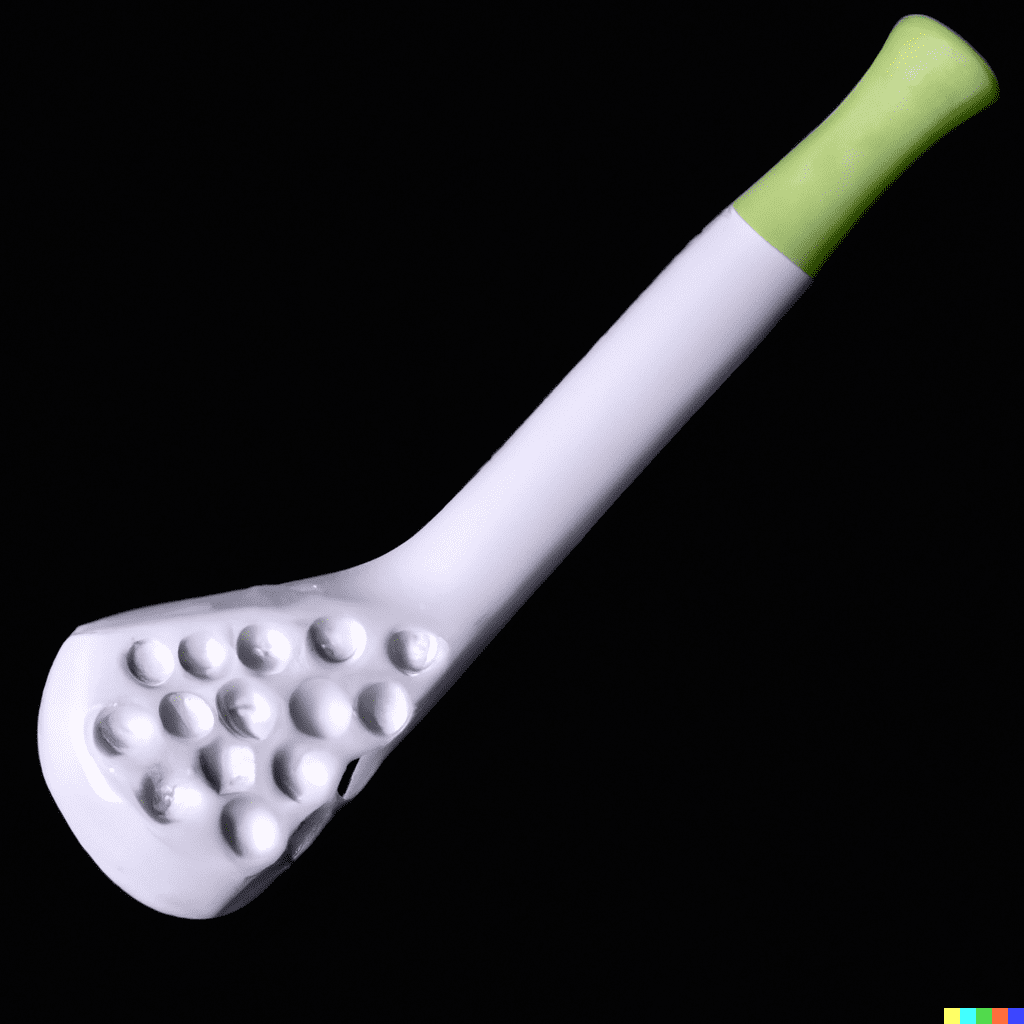
    • Personal care product components: Cosmetic containers, toothbrush handles.

4. Energy

    • Turbine parts: Blades, vanes, rotor discs.
    • Pump and valve components: Impellers, valve bodies, seals.
    • Heat exchanger parts: Tubes, fins, headers.
    • Solar panel components: Mounting brackets, frames, junction boxes.
    • Electrical connectors: Cable connectors, terminal blocks, sockets.

5. Medical

    • Surgical instruments: Forceps, scalpels, retractors.
    • Implantable device components: Joint implants, pacemaker components.
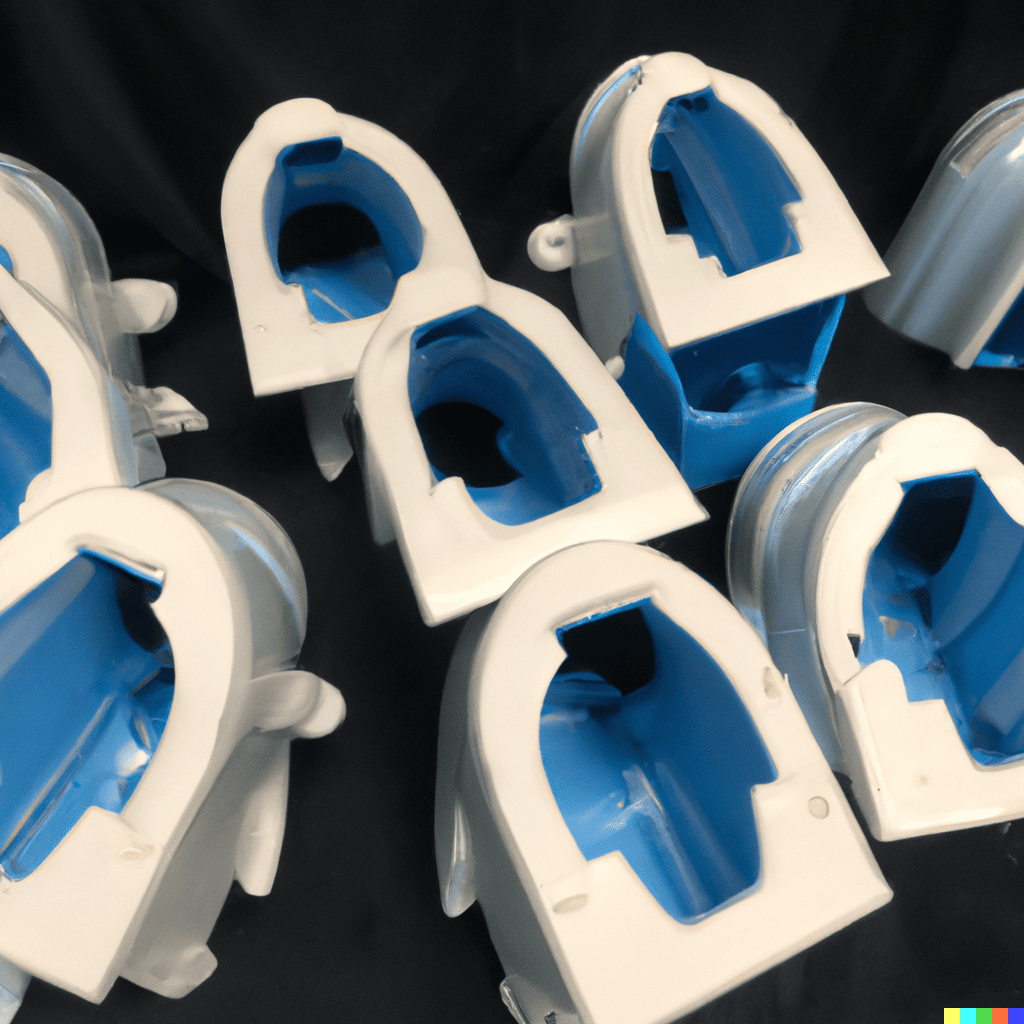
    • Prosthetic parts: Limb sockets, joint components.
    • Medical equipment housings: Casing for diagnostic equipment, monitors.
    • Dental appliance components: Denture frames, orthodontic brackets.

6. Oil and Gas

    • Drilling tool components: Drill bits, drill collars, stabilizers.
    • Valve bodies and seats: Gate valves, ball valves, control valves.
    • Pump parts: Impellers, casings, seals.
    • Subsea connectors: Couplings, connectors, riser systems.
    • Pipeline fittings and flanges: Flange connections, pipe connectors, pipeline supports.

Aerospace and defence

CNC Parts

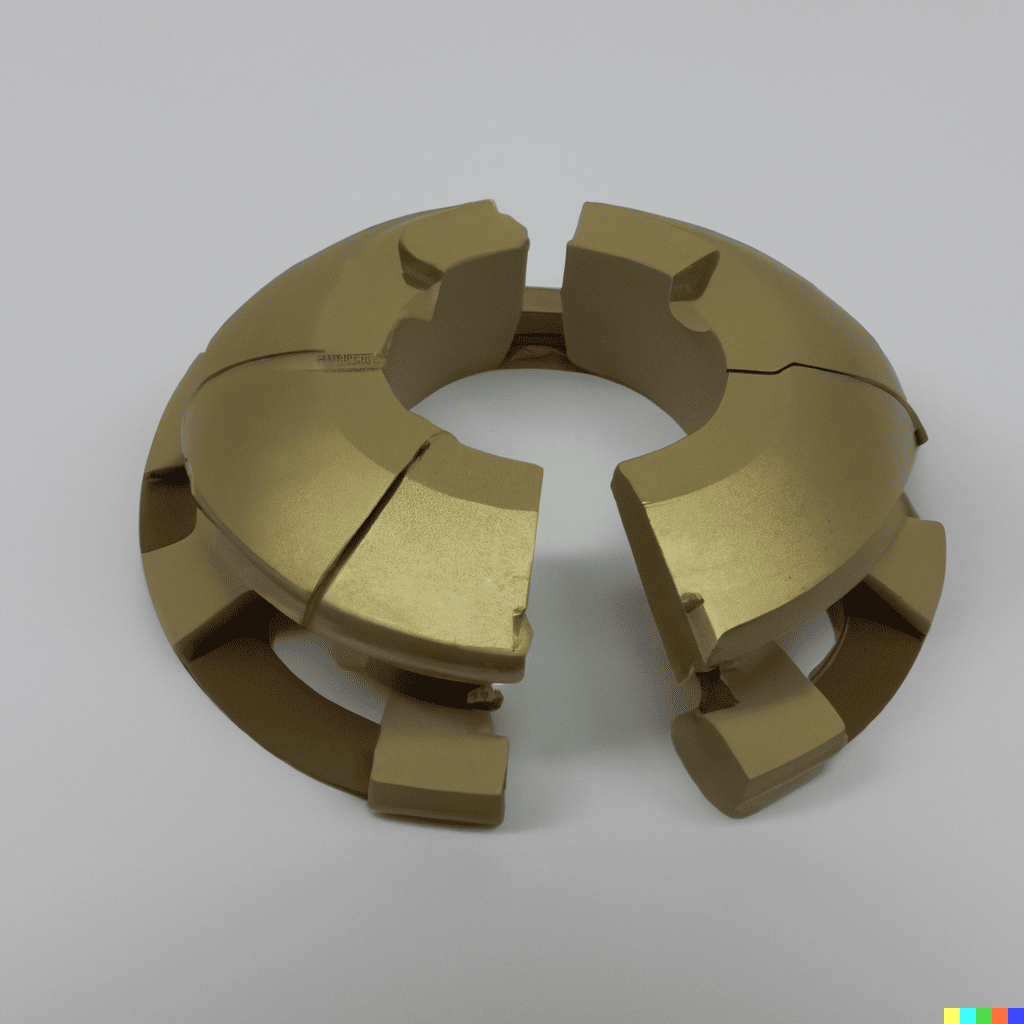
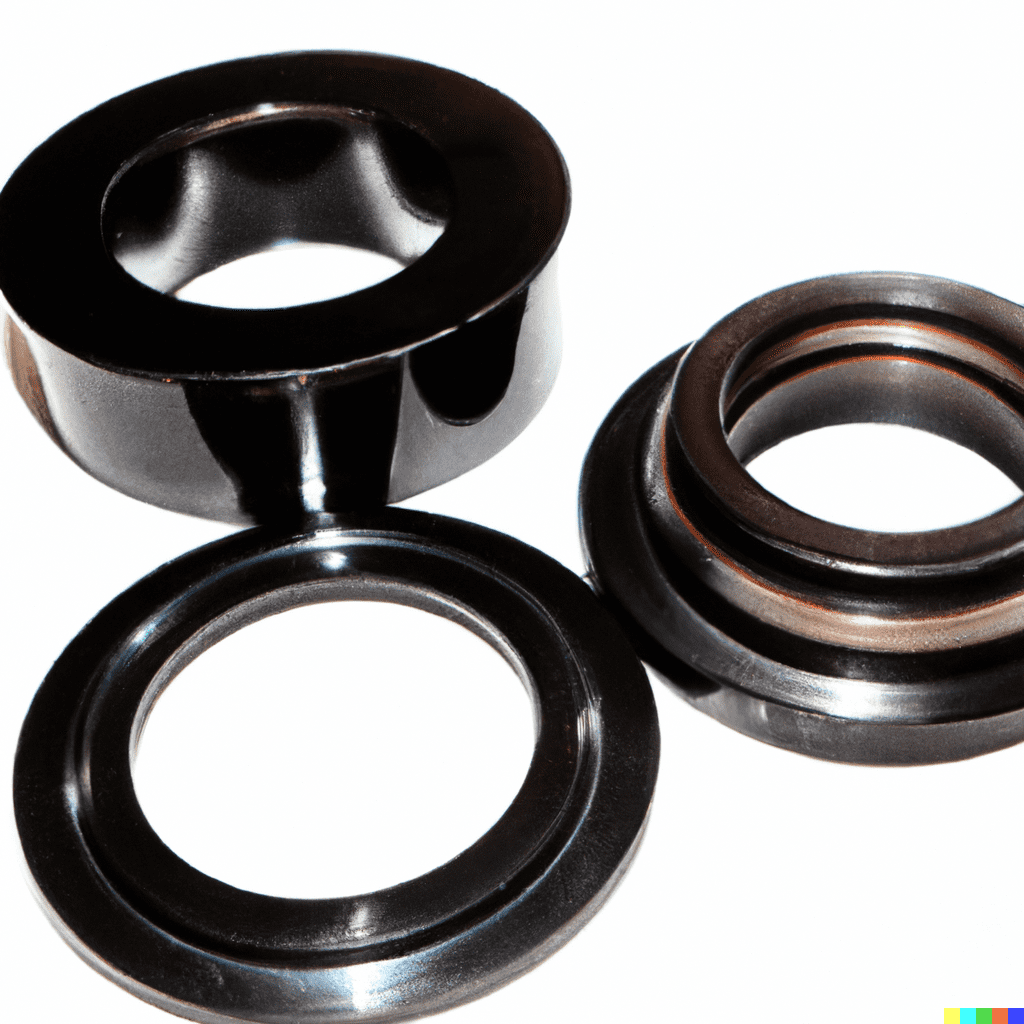
Engine Seal, Cargo Door Seal, Hydraulic System Seal, Landing Gear Door Seal and Fuselage Joint Seal

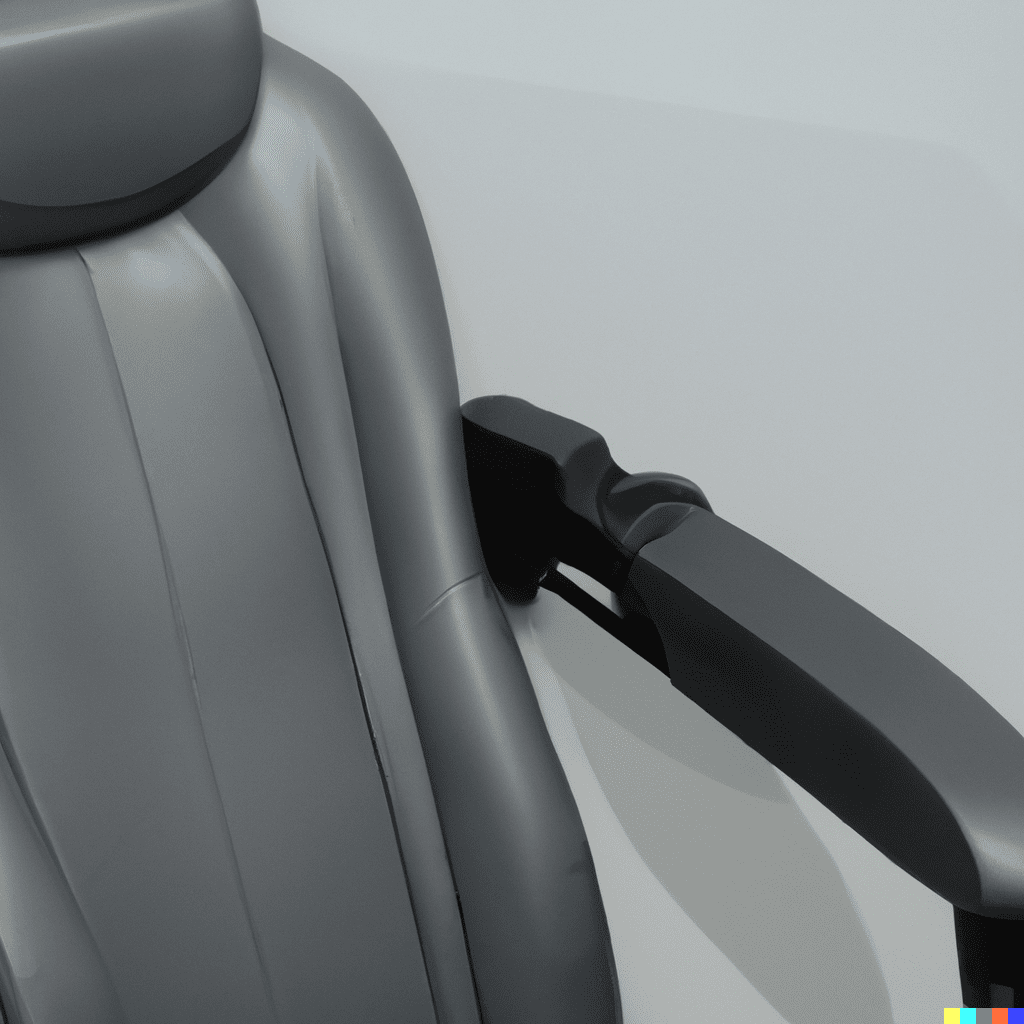
Armrest, Tray Table, Seat Cushion, Overhead Console, Window Frame, Headrest and Lavatory Fixture

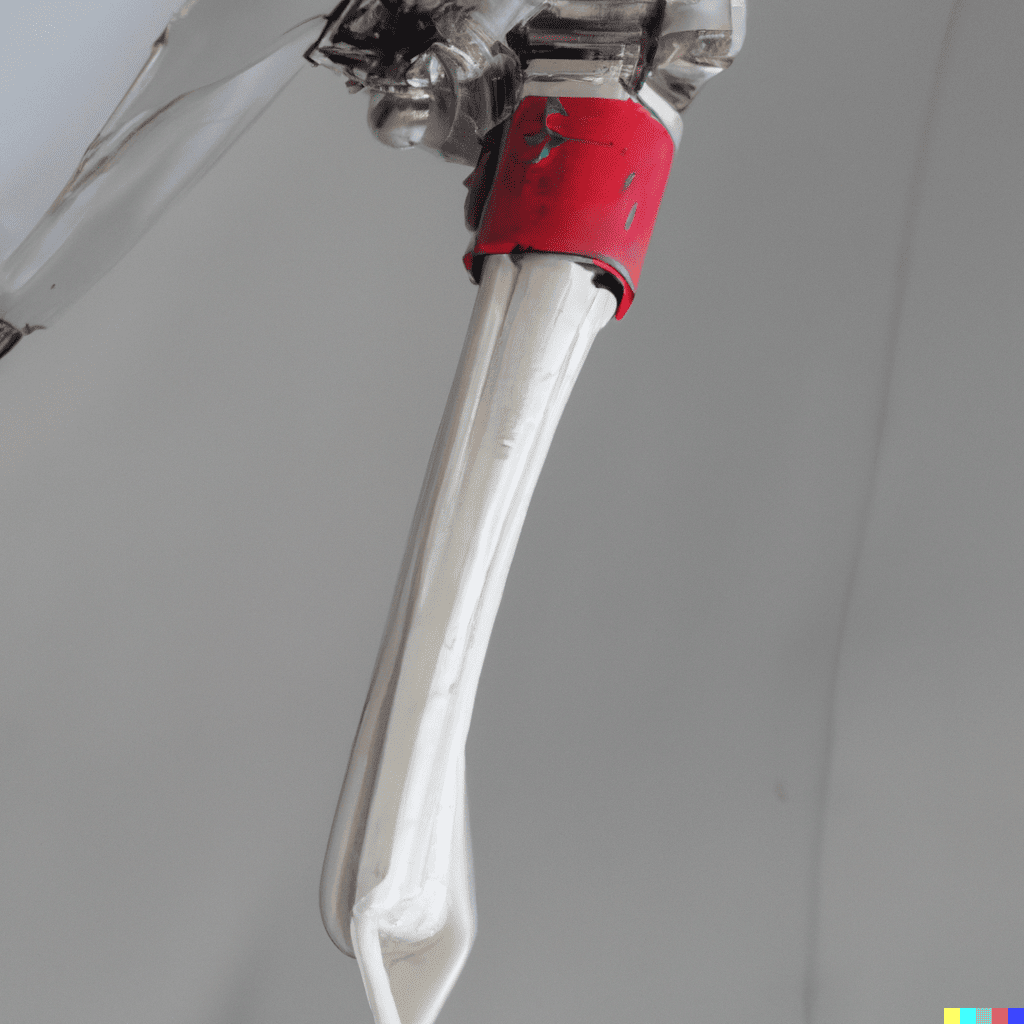
Helicopter Skid Shock Absorber, Cockpit Seat Shock Absorber, Cargo Ramp Shock Absorber, Parachute Landing Shock Absorber, Nose Wheel Strut and Main Landing Gear Strut

Turbine Blade, Combustion Chamber Liner, Thrust Reverser Component, Fuel Nozzle, Engine Mount Isolator, Exhaust Duct Liner, Intake Manifold Gasket, Heat Shield, Engine Baffle Seal and Ignition Coil Boot

Drone Frame, Landing Gear Leg, Propeller Guard, Camera Mount, GPS Antenna Enclosure, Gimbal Stabilizer, Motor Mount Bracket and Arm Reinforcement Plate

Automotive

CNC Parts

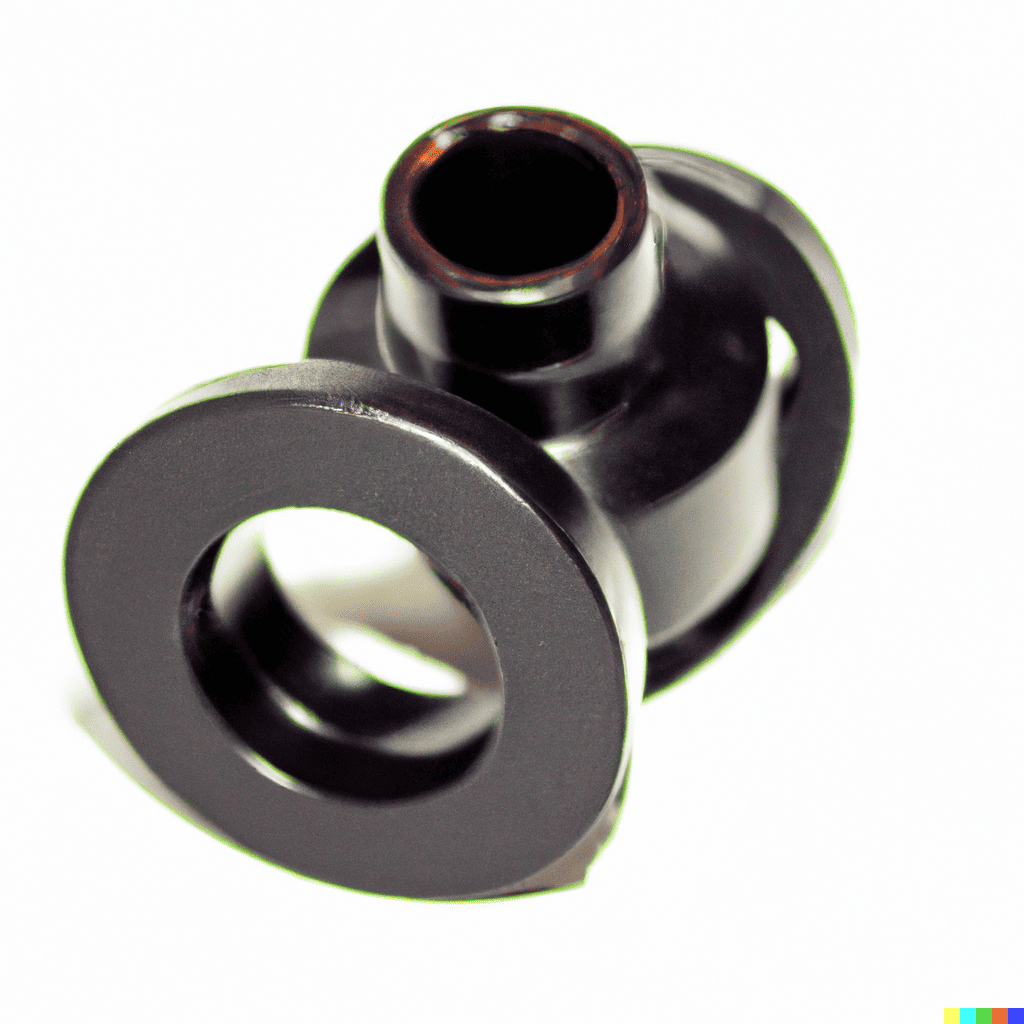
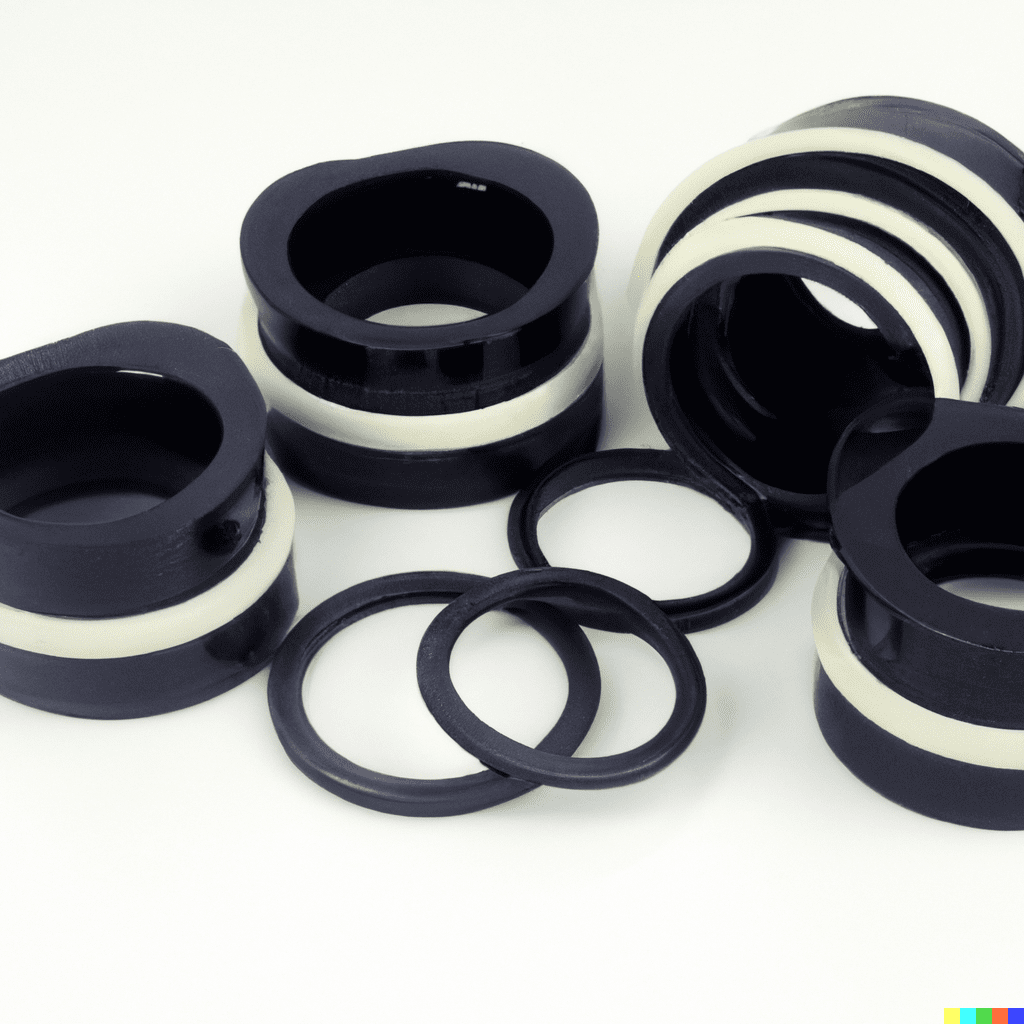
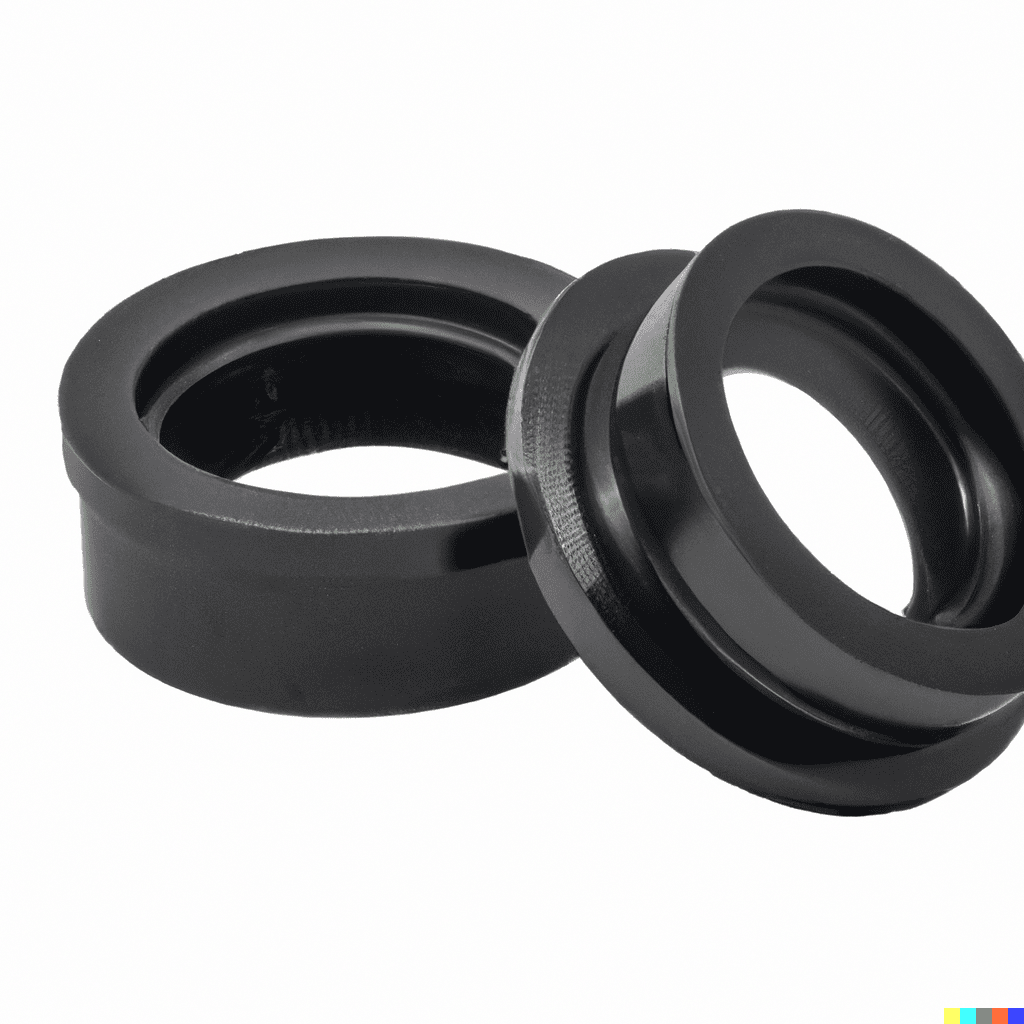
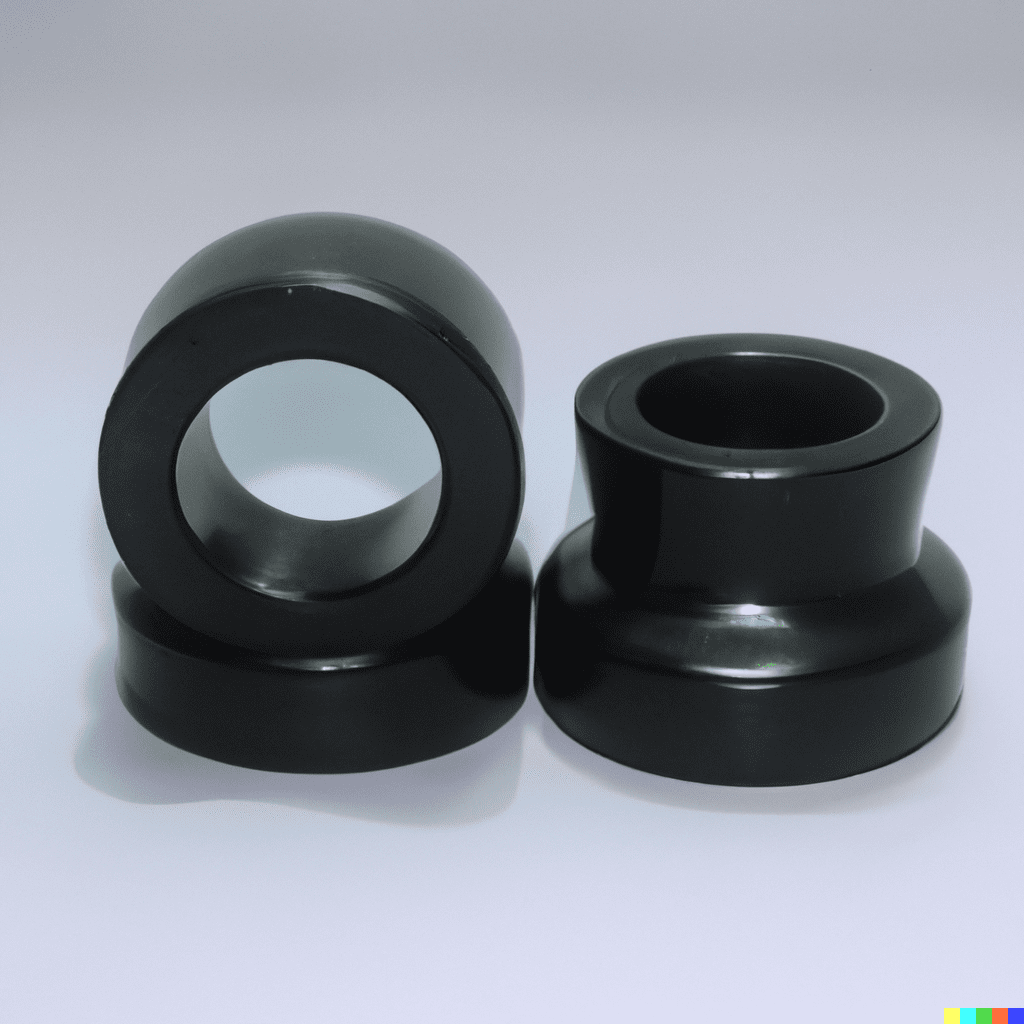
Front Lower Control Arm Bushing, Rear Upper Control Arm Bushing, Sway Bar Bushing, Subframe Bushing, Strut Mount Bushing, Leaf Spring Bushing, Tie Rod End Bushing, Trailing Arm Bushing, Stabilizer Bar Bushing and Steering Rack Bushing

Front Bump Stop, Rear Bump Stop, Strut Bump Stop, Coil Spring Bump Stop, Shock Absorber Bump Stop, Sway Bar Bump Stop and Axle Bump Stop

Dashboard Panel Trim, Door Panel Insert, Cup Holder Trim, Headliner Trim, Seat Back Panel and Glove Compartment Trim

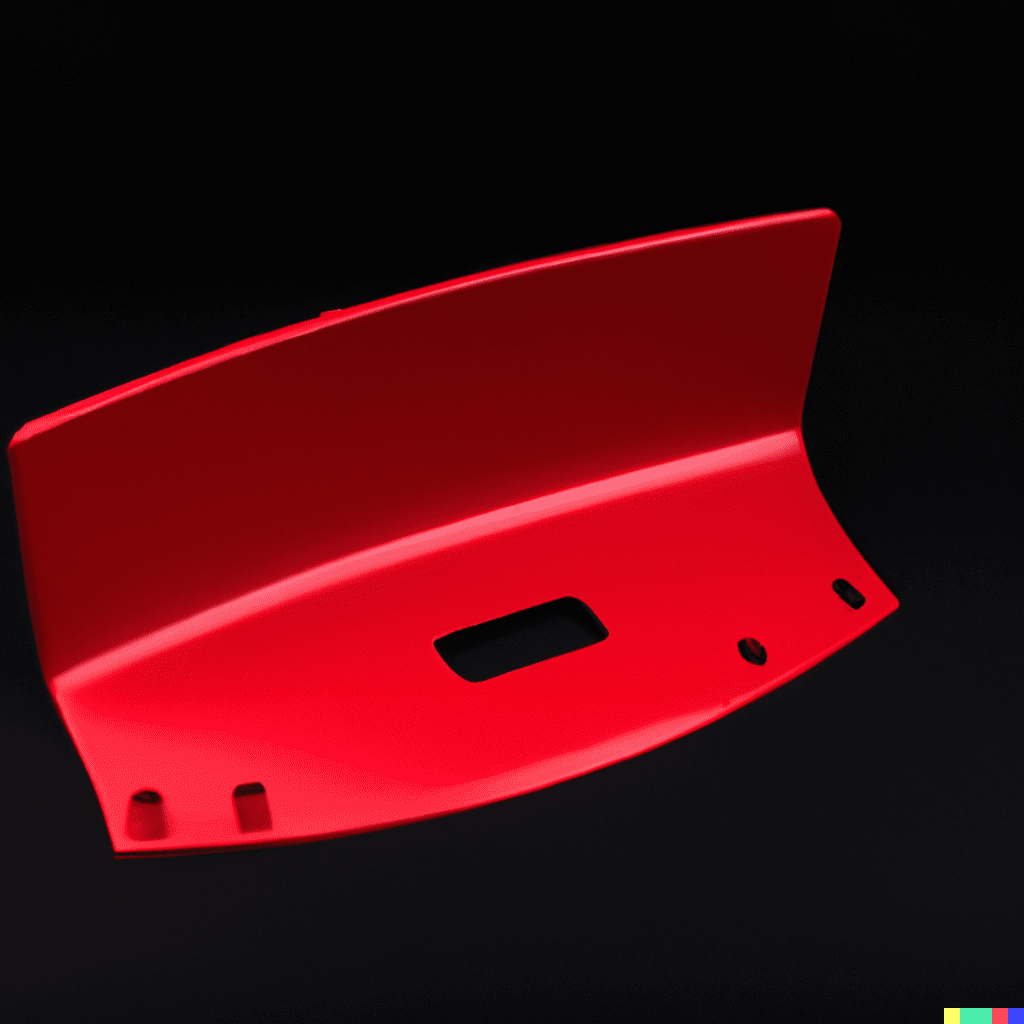
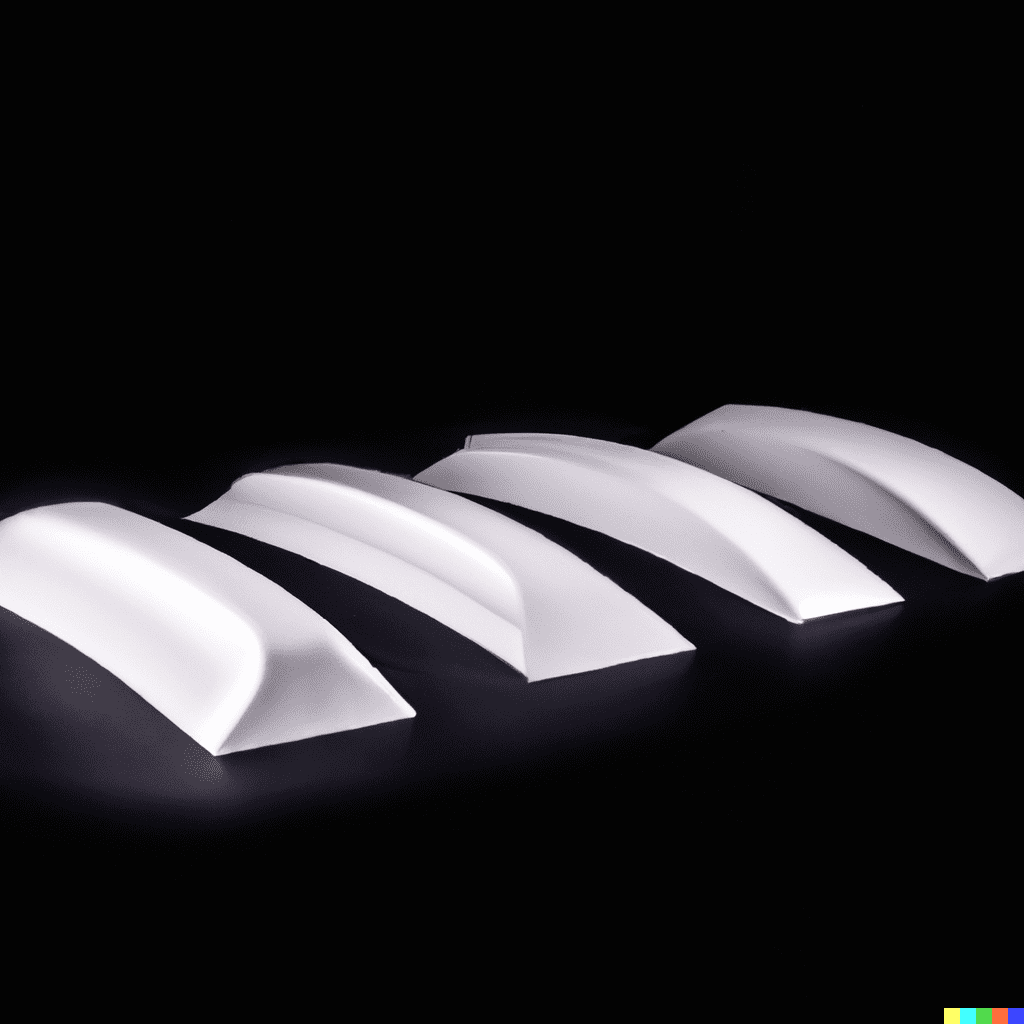
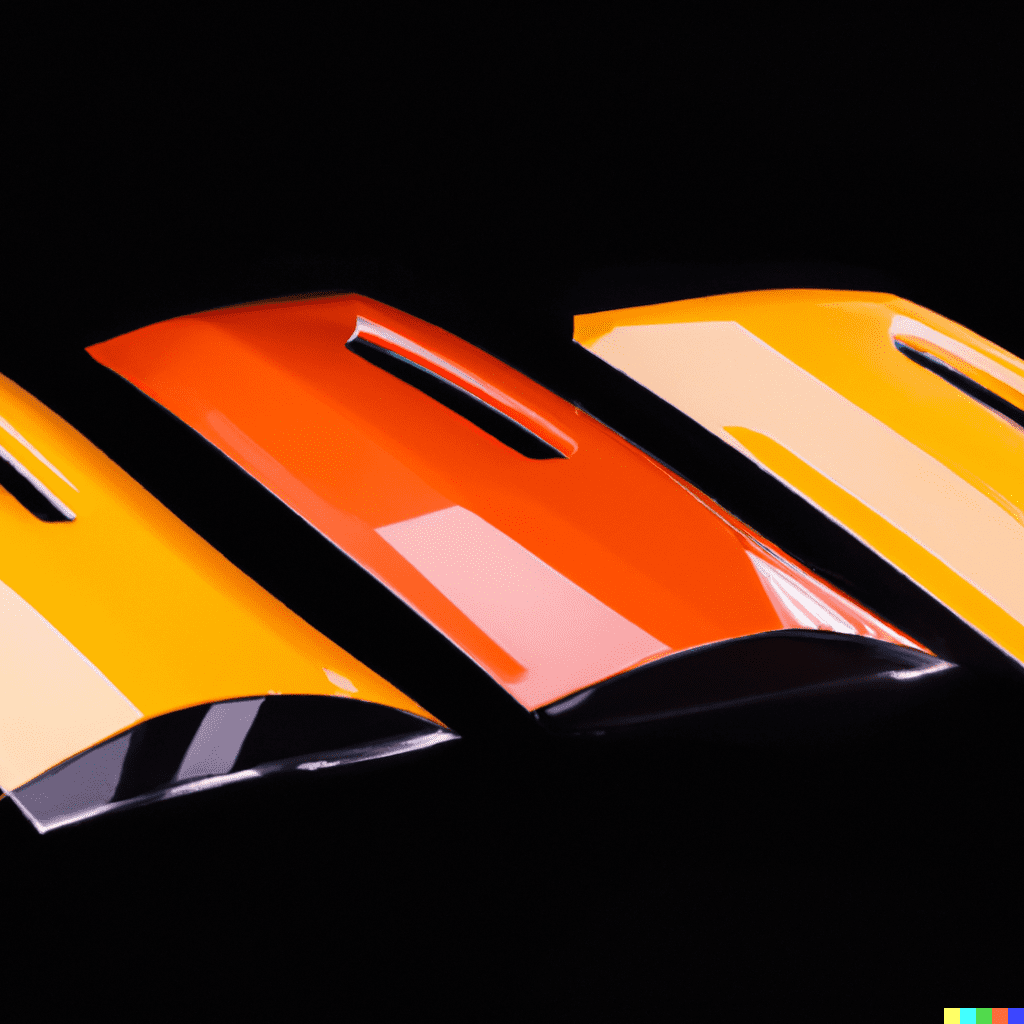
Front Bumper Spoiler, Rear Bumper Diffuser, Side Skirts, Fender Flares, Hood Scoop, Roof Spoiler and Front Lip Spoiler

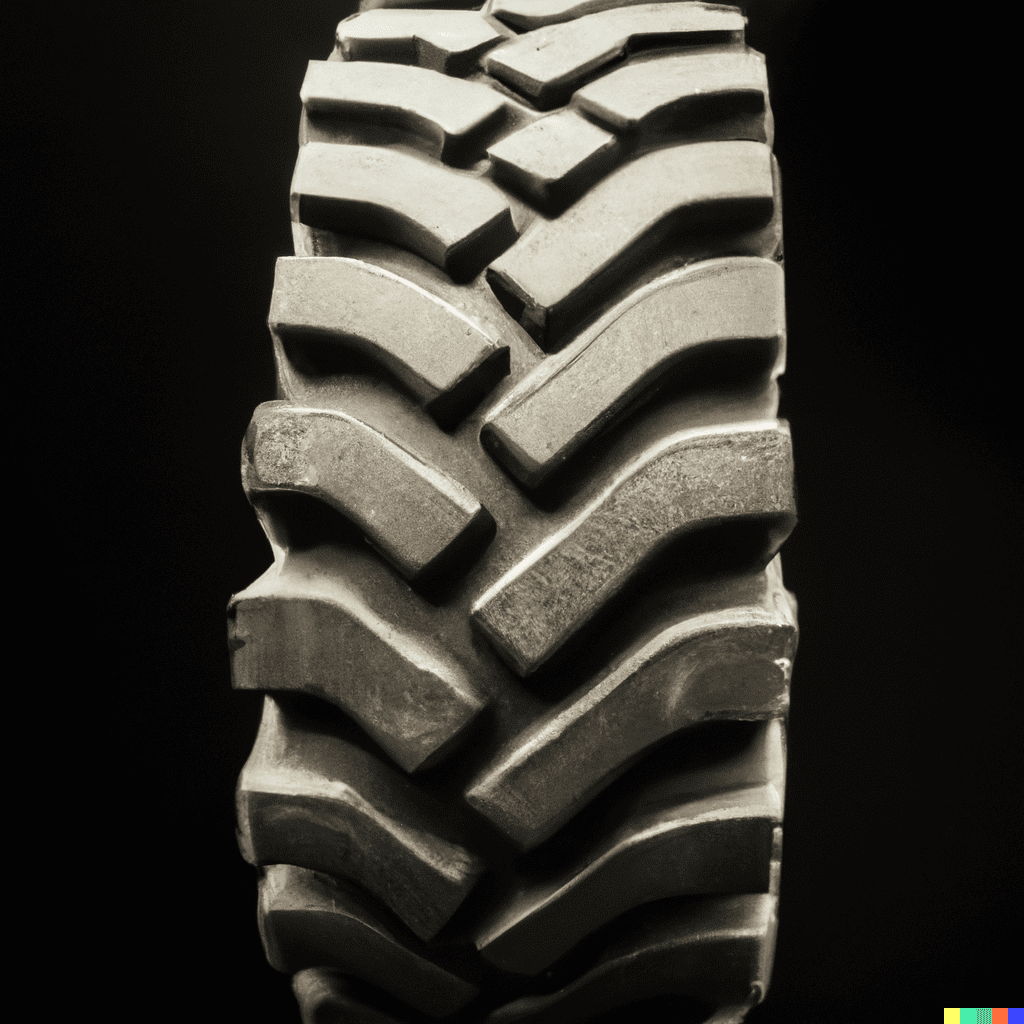
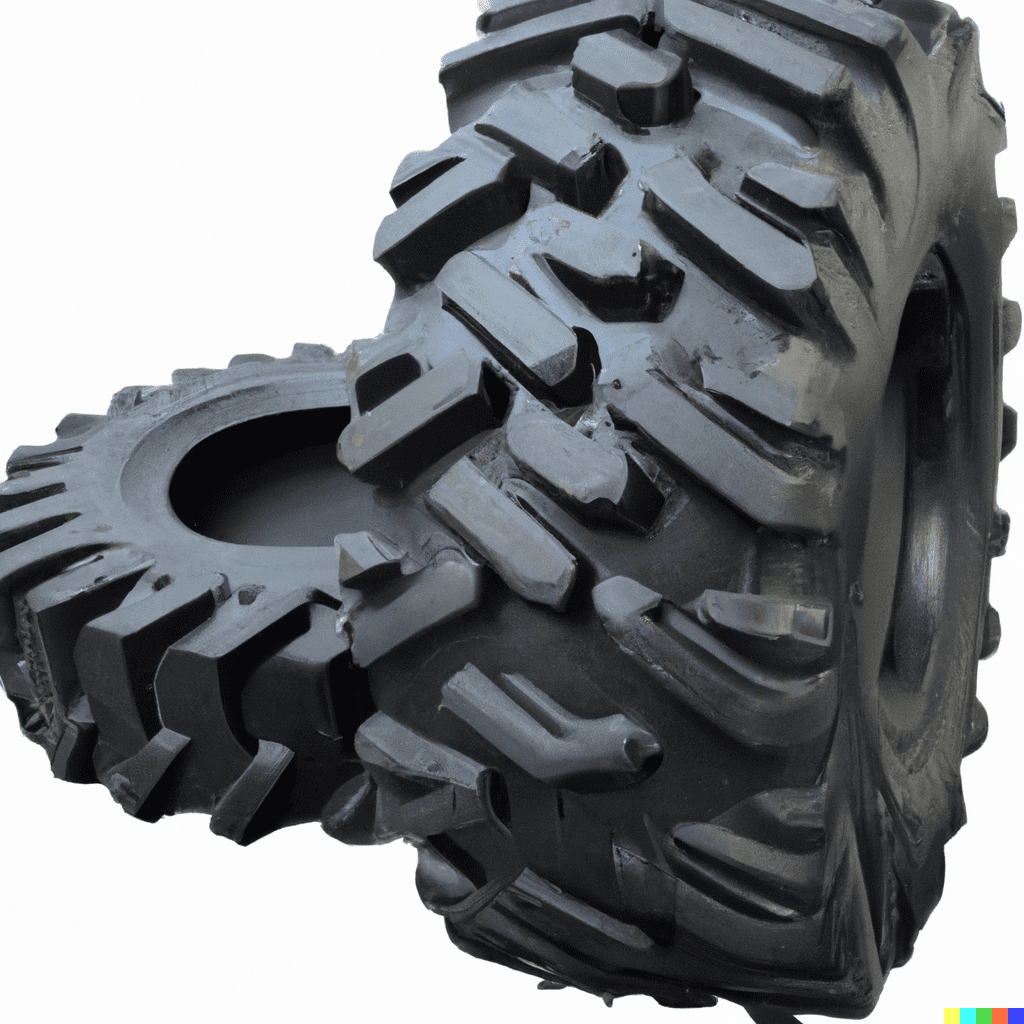
Forklift Front Tire Tread, Forklift Rear Tire Tread, Industrial Vehicle Rear Tire Tread, Warehouse Equipment Tire Tread, Lawn Tractor Tire Tread and Material Handling Equipment Tire Tread

The Three Lines That Drive Unit Cost and How They Get Managed

Injection molding cost breaks into two clean categories: what you pay once (tooling), and what you pay every time a part is made (per-part recurring cost). The recurring cost, the number that determines long-term program economics, is driven almost entirely by three variables: material, cycle time, and cavity count. Each one is a lever. Each one is also a place where margin gets absorbed before the invoice is sent.

Material: Quoted per kilogram, costed per gram per cycle

Material cost is calculated as resin price per kilogram multiplied by shot weight, which includes not just the part itself, but the runner, sprue, and gate. On a cold-runner mold, that runner weight can represent 10-20% of total material consumed per cycle. If the mold runs 500,000 shots annually and the runner adds 15 grams per shot at $3.50/kg, that is roughly $26,000 in annual material spend producing nothing but regrind.

On top of raw shot weight, waste factors compound: startup purging, color changeovers, rejected parts from process instability, and scrap from hygroscopic materials like nylon that aren’t dried consistently. Industry benchmarks cite a realistic waste factor of 2-5% in well-managed programs, but poorly specified processes can run significantly higher. A quote that assumes 2% waste on a material and process that realistically holds 5% is quietly passing $8,000-$15,000 per year in unplanned cost onto the program. As one senior solutions engineer in on-demand manufacturing notes: the raw material cost is a big portion of overall unit price, so carefully balancing material properties with cost goes a long way. Over-specifying resin for an application adds expense at every cycle without performance return.

Not sure if your current quote is accounting for runner weight and real waste rates?

PrintForm quotes material cost with shot weight, runner, and waste assumptions stated explicitly. No surprises when production runs.

Cycle time: The number no one asks for upfront

Cycle time is the single biggest controllable driver of piece price, and it is the assumption most commonly left unspecified in a quote. A molder quoting a 20-second cycle and delivering a 26-second cycle has reduced effective machine output by 23%, meaning the press produces 23% fewer parts per hour, and the machine rate is absorbed across 23% fewer units. The per-part cost rises accordingly.

Cooling time dominates cycle time for most parts, typically 50-70% of the total. Wall thickness is the primary driver: every additional millimeter of wall thickness adds cooling time, and cooling time multiplies across every single shot the mold will ever run. A part with non-uniform wall sections will cool at the rate of its thickest wall, regardless of what the rest of the geometry requires. A design that assumed a 22-second cycle because it was modeled against nominal wall thickness, but then ran at 29 seconds because of a 4mm boss that wasn’t flagged in DFM review, represents a design decision made at the drawing stage that became a production cost at every shot for the life of the program.

The practical guidance from cost analysis done by injection molding specialists is specific and actionable: ask the molder to state the assumed cycle time, press tonnage, and cavity count directly in the quote. Without those assumptions, two quotes are structurally incomparable. You are comparing models with different inputs, not prices for the same thing.

Cavity count: Where tooling cost trades against piece price

A four-cavity mold produces four parts per cycle. A two-cavity mold produces two. At identical cycle times and machine rates, the per-part cost from a two-cavity tool is double the per-part cost from a four-cavity tool, with the machine running for twice as long to fill the same order. The math is not complicated, but the sourcing implication is clear: a quote that specifies four-cavity tooling but prices it below the cost of building a legitimate four-cavity tool is almost certainly pricing two-cavity performance with a four-cavity label.

The tooling cost for a proper four-cavity mold is meaningfully higher than a two-cavity equivalent. When a quote comes in at a mold price that doesn’t support the cavity count claimed, particularly on complex geometry, that gap has to be absorbed somewhere. It shows up either in reduced mold life, or in a tool that was built to one cavity count but runs as another. Both translate into per-part cost overages that the procurement team didn’t model.

Want to know if the tooling price you were quoted actually supports the cavity count it claims?

PrintForm reviews tooling specs against real mold-build costs before any program moves forward. If the numbers don't add up, we will tell you before the tool is ordered.

The Assumptions That Don't Appear Until Production

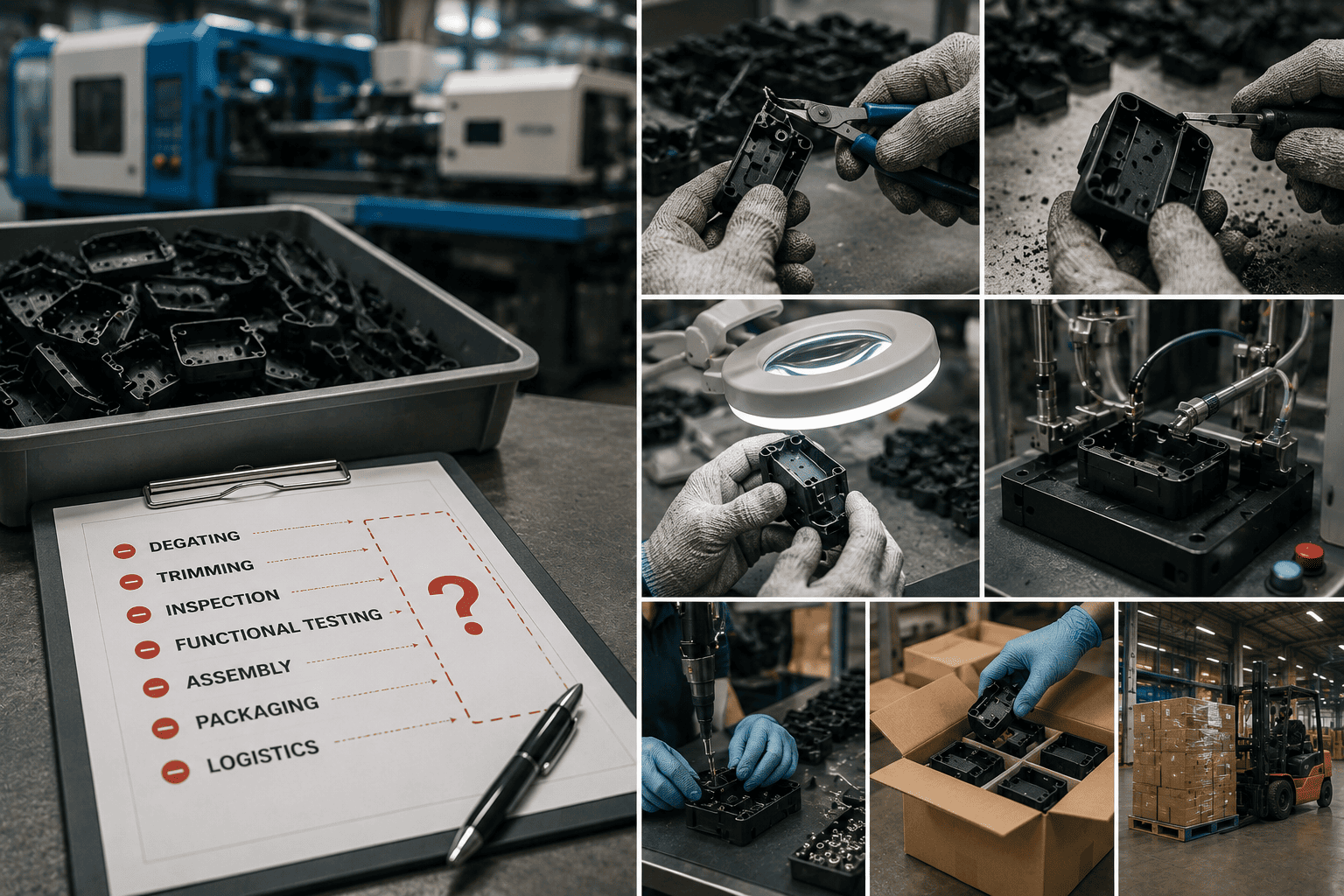
Beyond those three primary levers, there is a category of cost that almost never appears in an initial quote: secondary operations. Degating, trimming, inspection, functional testing, assembly, packaging, and logistics are each their own line item, but they frequently get bundled into “included” or omitted entirely until the program is running and the invoices start arriving.

For parts with cosmetic requirements, dimensional inspection at the part level rather than statistical sampling can rival molding cost on a per-part basis. For parts with functional features such as snap-fits, press-fit inserts, and sealing surfaces, functional testing adds labor and cycle time to every unit. These are not extras. They are cost structure. They belong in the model before the quote is accepted, not discovered after the program starts.

What we see across injection molding programs at PrintForm is that the gap between a quoted per-part cost and a program’s actual running cost is almost never explained by one large discrepancy. It’s almost always the accumulation of several small assumptions, each individually defensible, collectively significant.

How to Read a Quote Before You Accept It

The questions that surface hidden margin before it becomes an unpleasant production discovery are not complicated. They require specificity:

None of these questions are adversarial. They are engineering questions. A supplier who can answer them with specificity is quoting a model they built with discipline. A supplier who deflects them is quoting a number they reverse-engineered from a target.

PrintForm quotes injection molding programs with cycle time, cavity count, shot weight, and secondary operations stated explicitly, so that when production runs, the economics match the model.

Ready to see what your injection molding program actually costs before production finds out for you?

Submit your part for a detailed quote review. Cycle time, cavity count, shot weight, and secondary operations, all stated before you commit to tooling.

Consumer Products

CNC Parts

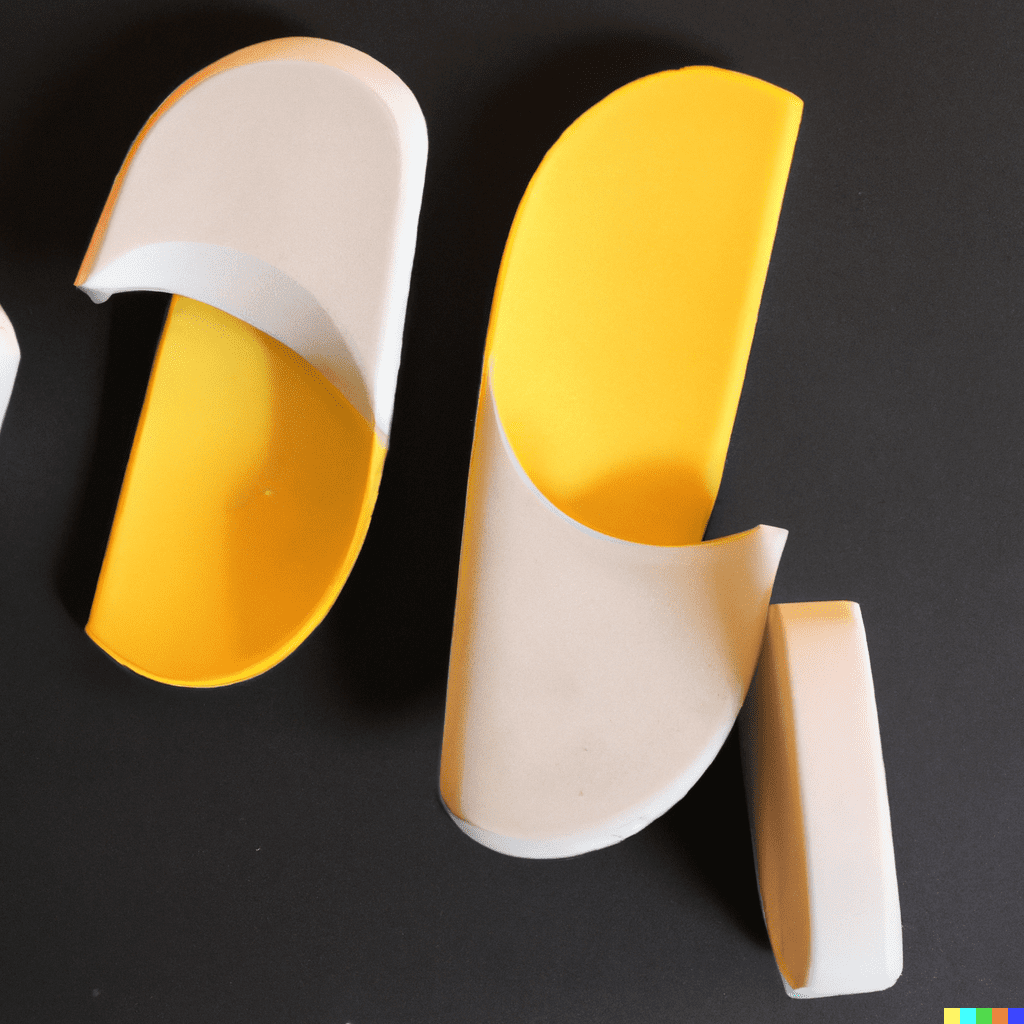
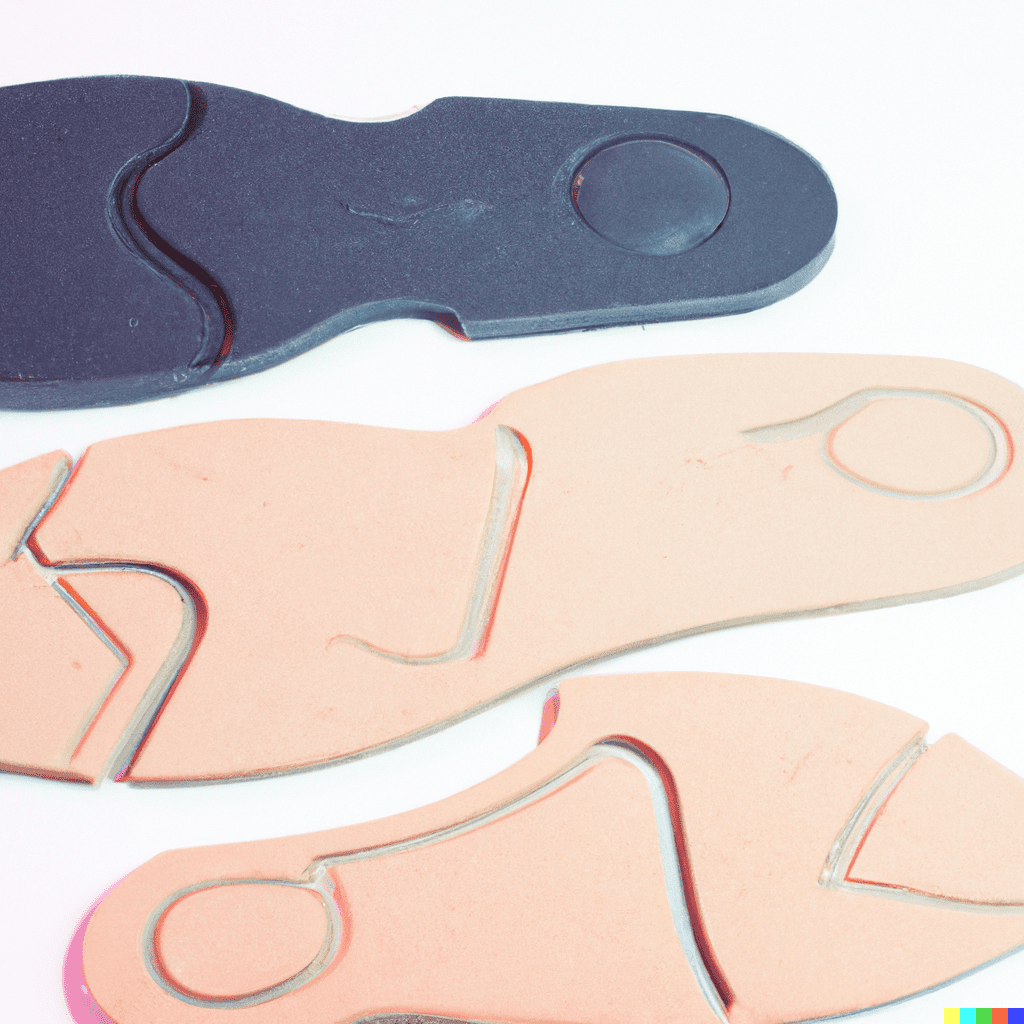
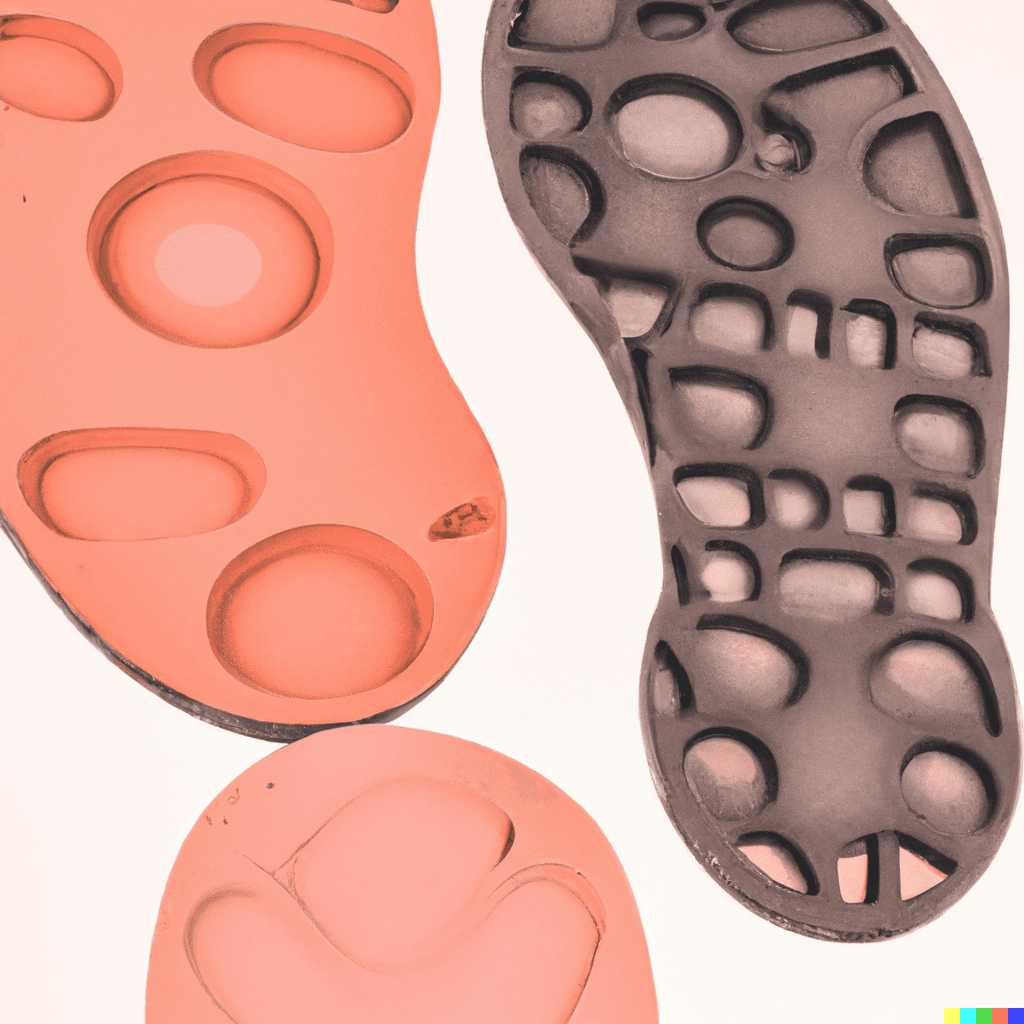
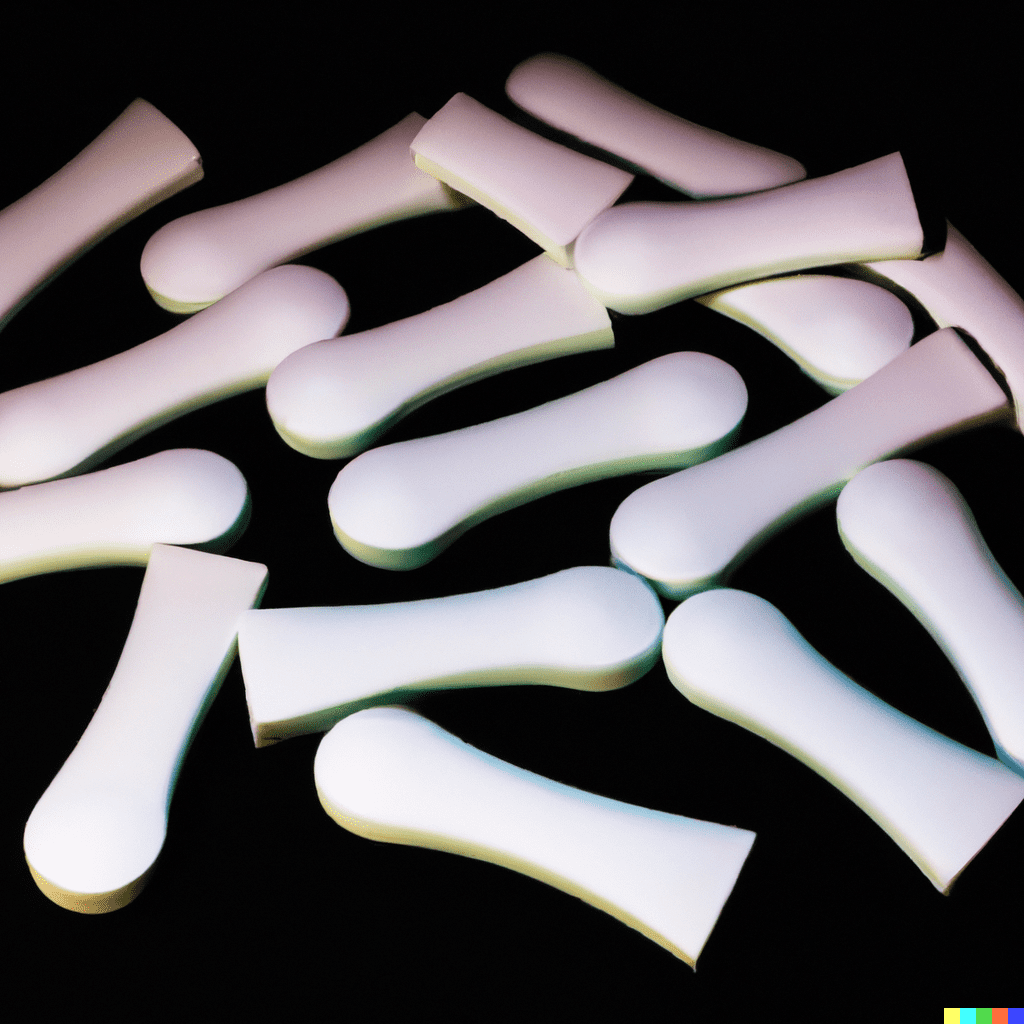
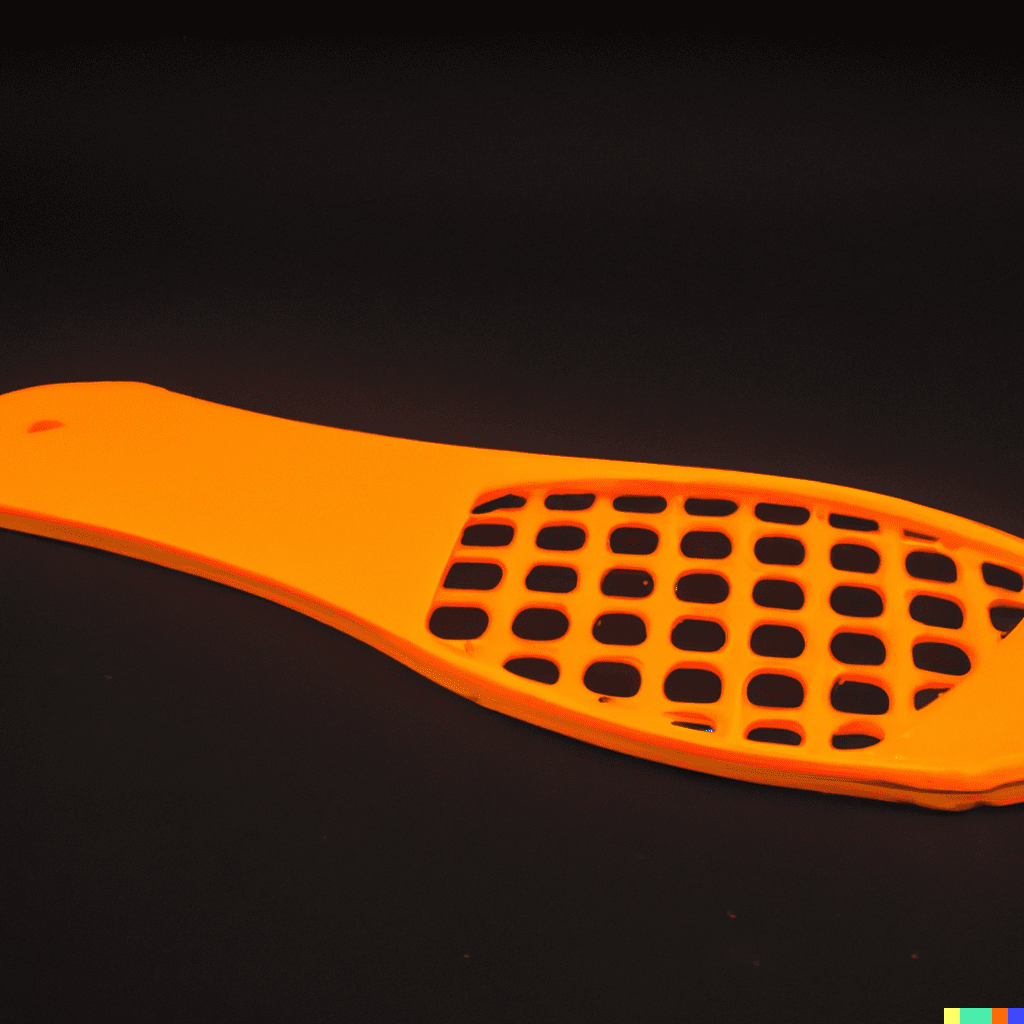
Shoe Insoles, Shoe Outsoles, Shoe Midsoles, Heel Cushions, Arch Support Inserts and Shoelaces

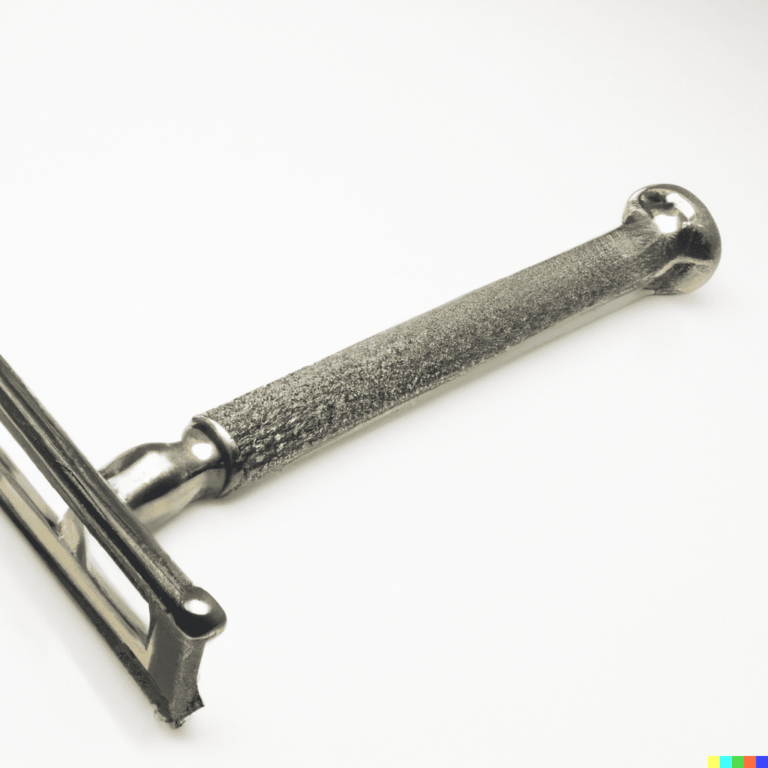
Action figure parts, Puzzle pieces, Board game components, Toy car bodies and Doll accessories

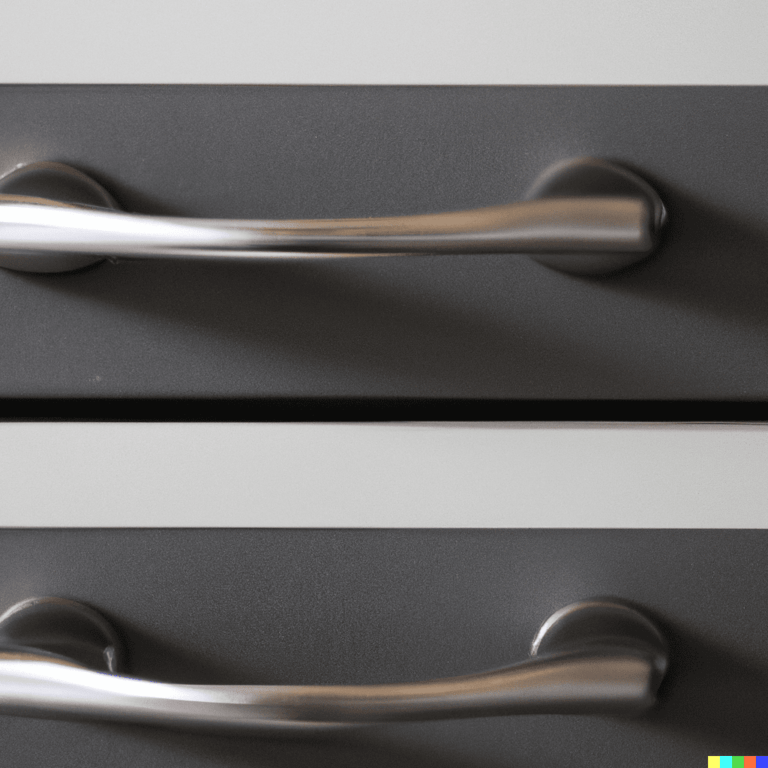
Refrigerator Door Handle, Dishwasher Door Handle, Toaster Handle and Kitchen Appliance Drawer Handle

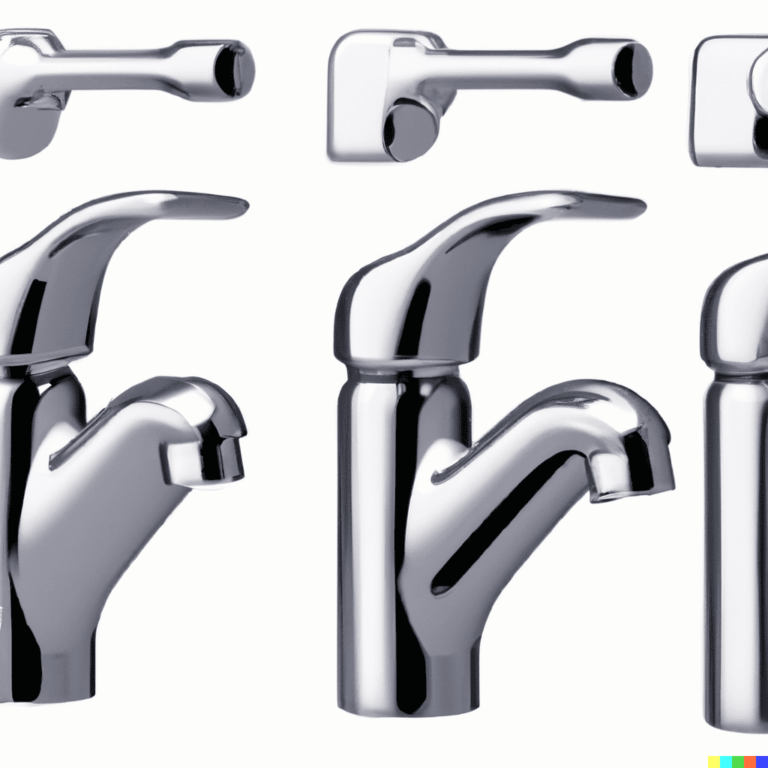
Tennis Racket Grip, Golf Club Grips, Bicycle Handlebar Grips, Fishing Rod Handles, Ski Pole Grips, Bowling Ball Finger Inserts and Ping Pong Paddle Grips

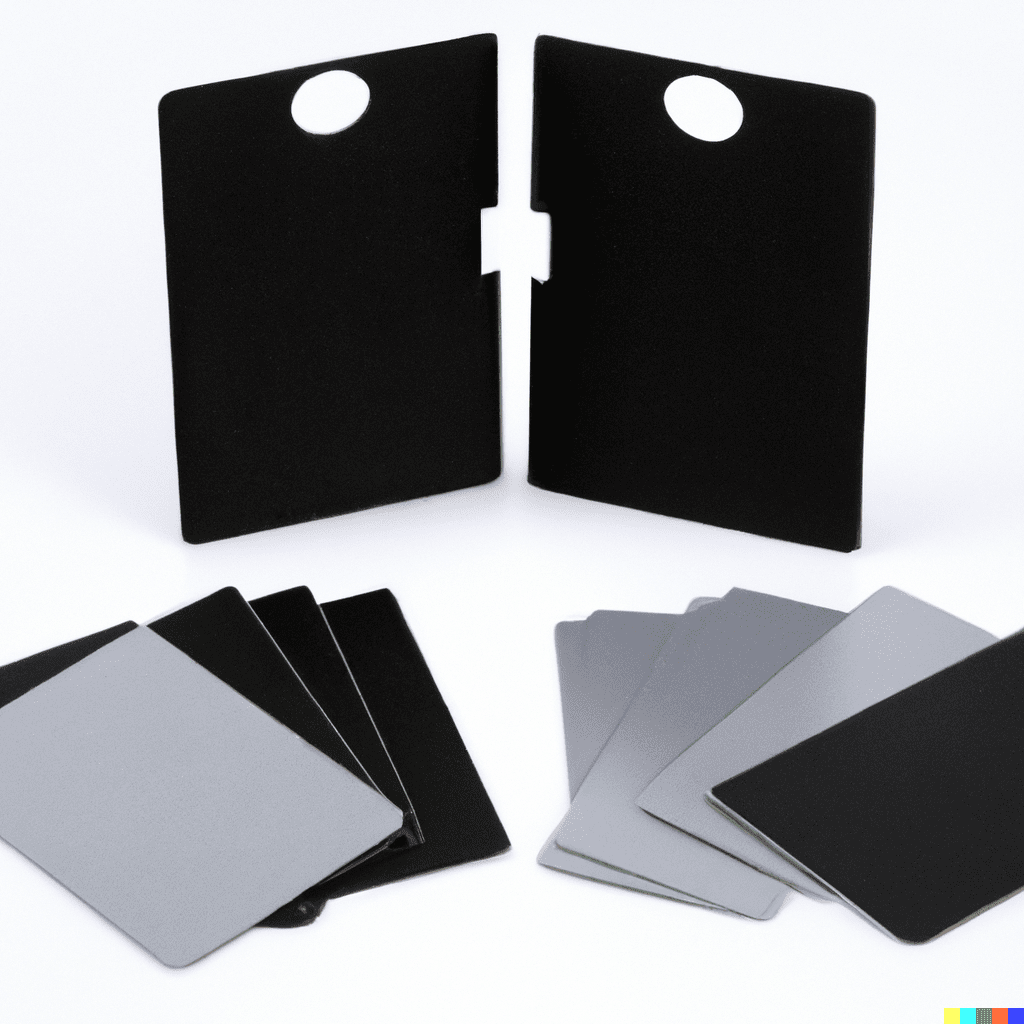
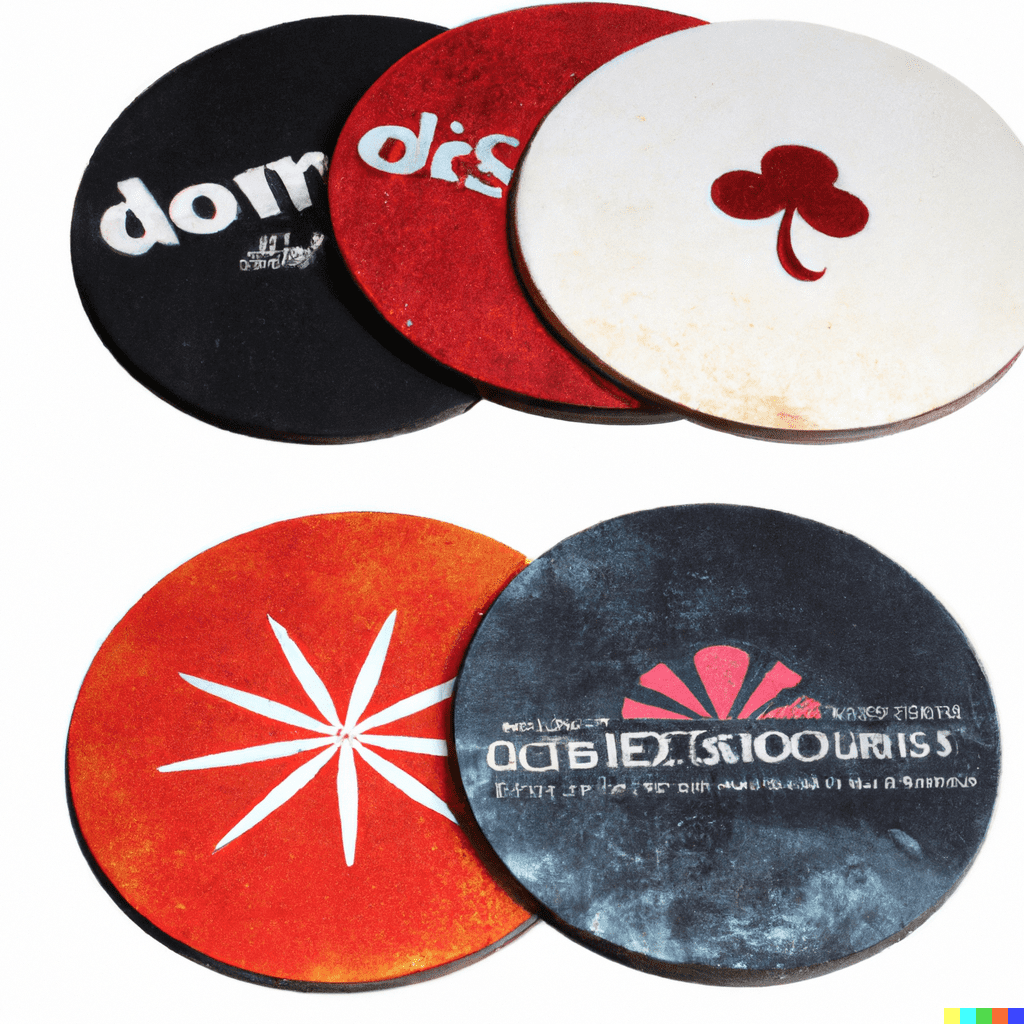
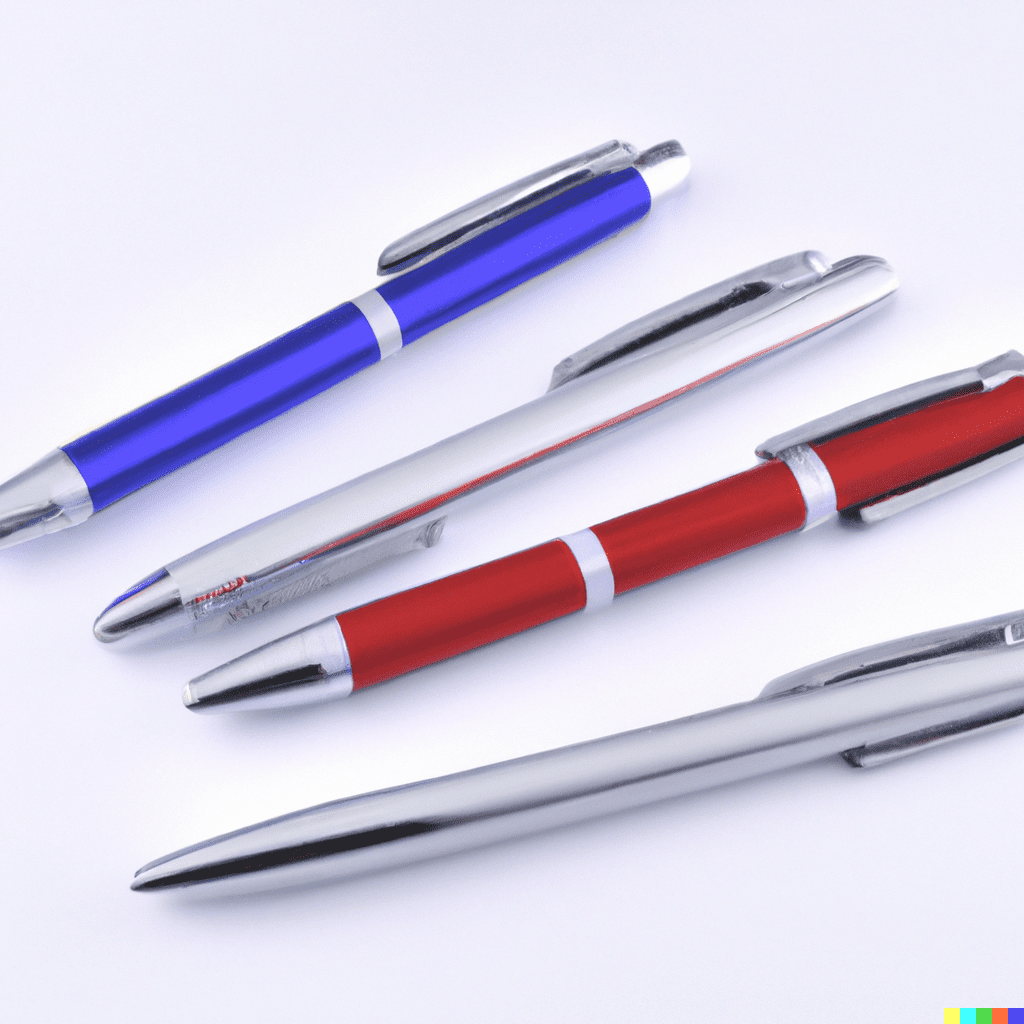
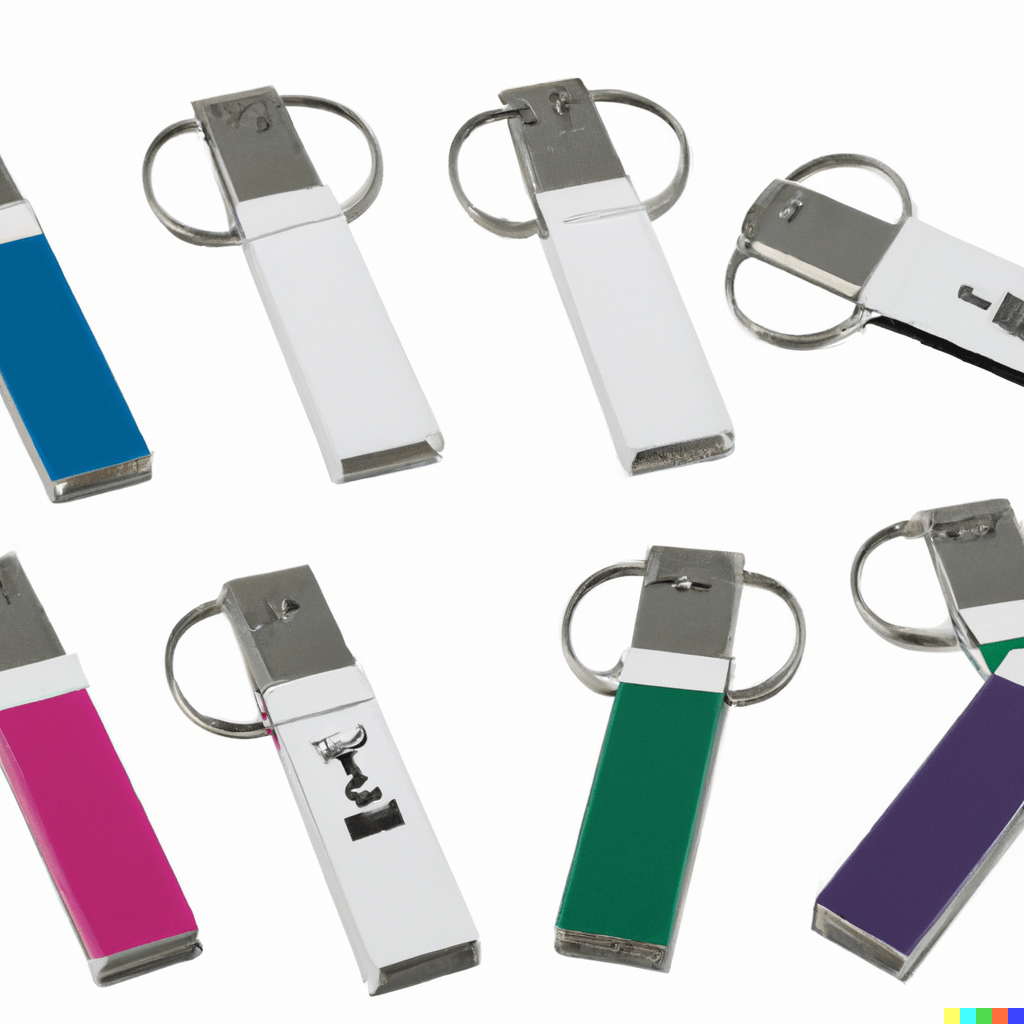
Branded keychains, Customized USB drives, Logo-bearing pens, Promotional event giveaways, Custom phone stands, Business card holders, Unique promotional trophies, Customized badges and buttons, Drink coasters with logos and Event-specific 3D printed gifts

Energy

CNC Parts

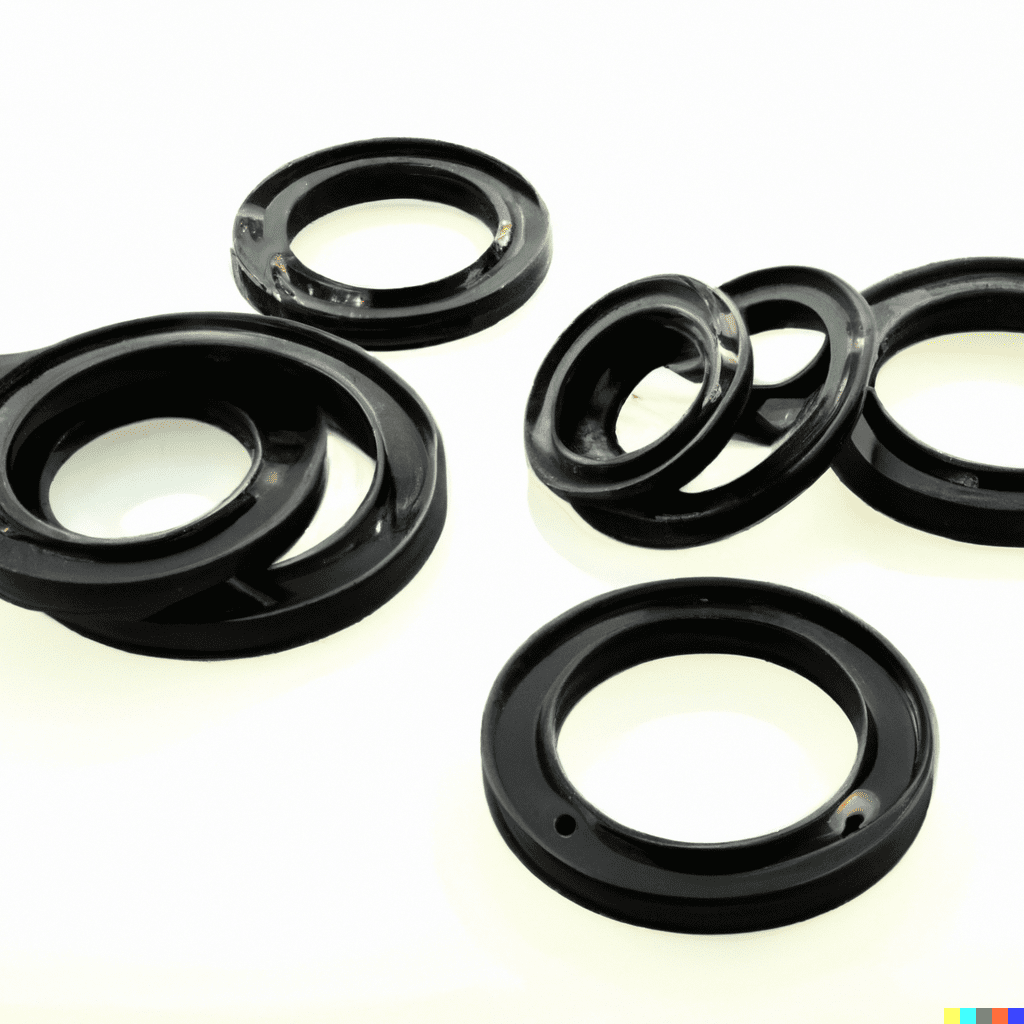
Pump Shaft Seal, Compressor Piston Seal, Valve Stem Seal, Crankshaft Seal, Transmission Input Shaft Seal, Hydraulic Cylinder Seal, Gearbox Output Seal, Oil Cooler Seal, Gas Turbine Seal and Wellhead Seal

Turbine Blade, Runner Hub, Wicket Gate, Generator Stator, Penstock Liner, Draft Tube, Turbine Bearing, Blade Pitch Control Arm, Guide Vane and Turbine Nozzle

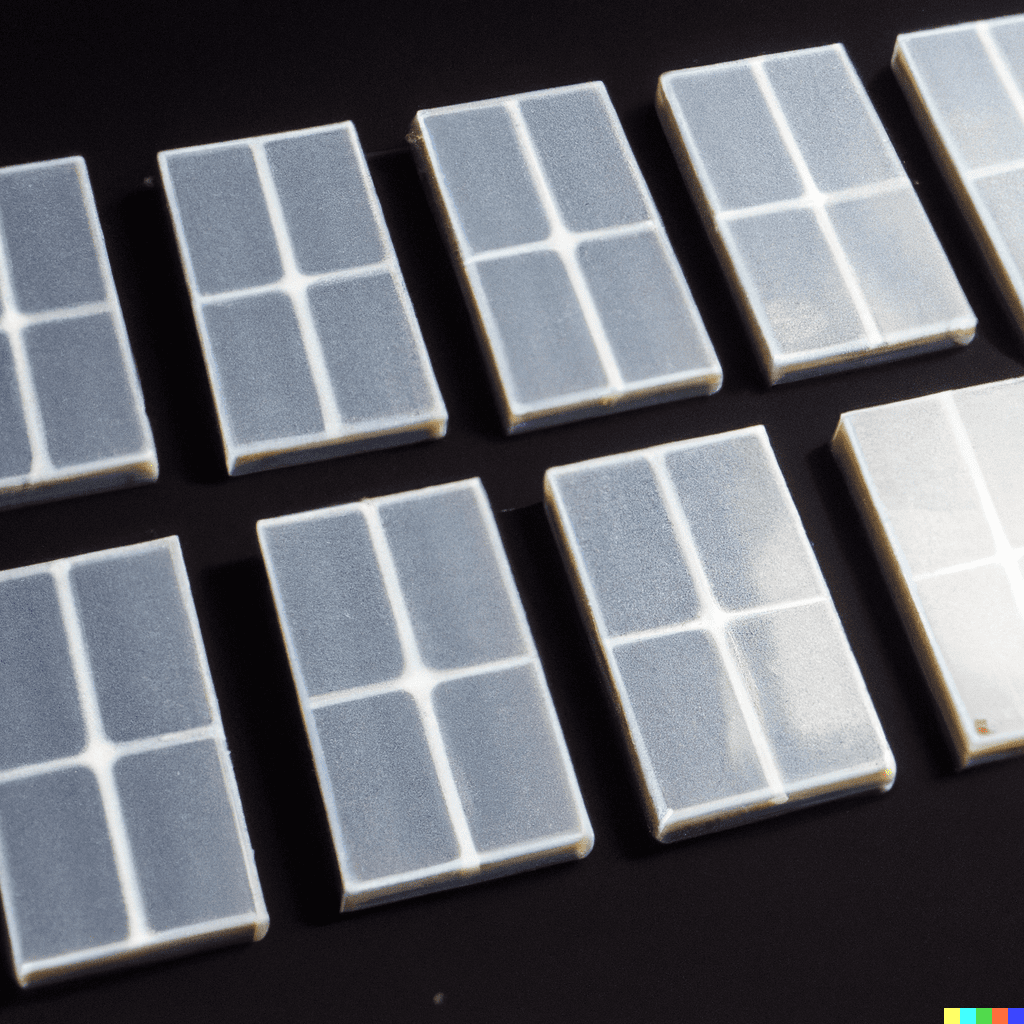
Solar Cell Encapsulation Sheet, Frame Gasket and Busbar Encapsulation

Wind Turbine Blade, Pitch Bearing Seal, Mainshaft Bearing, Rotor Hub, Gearbox Breather Plug and Tower Flange Gasket

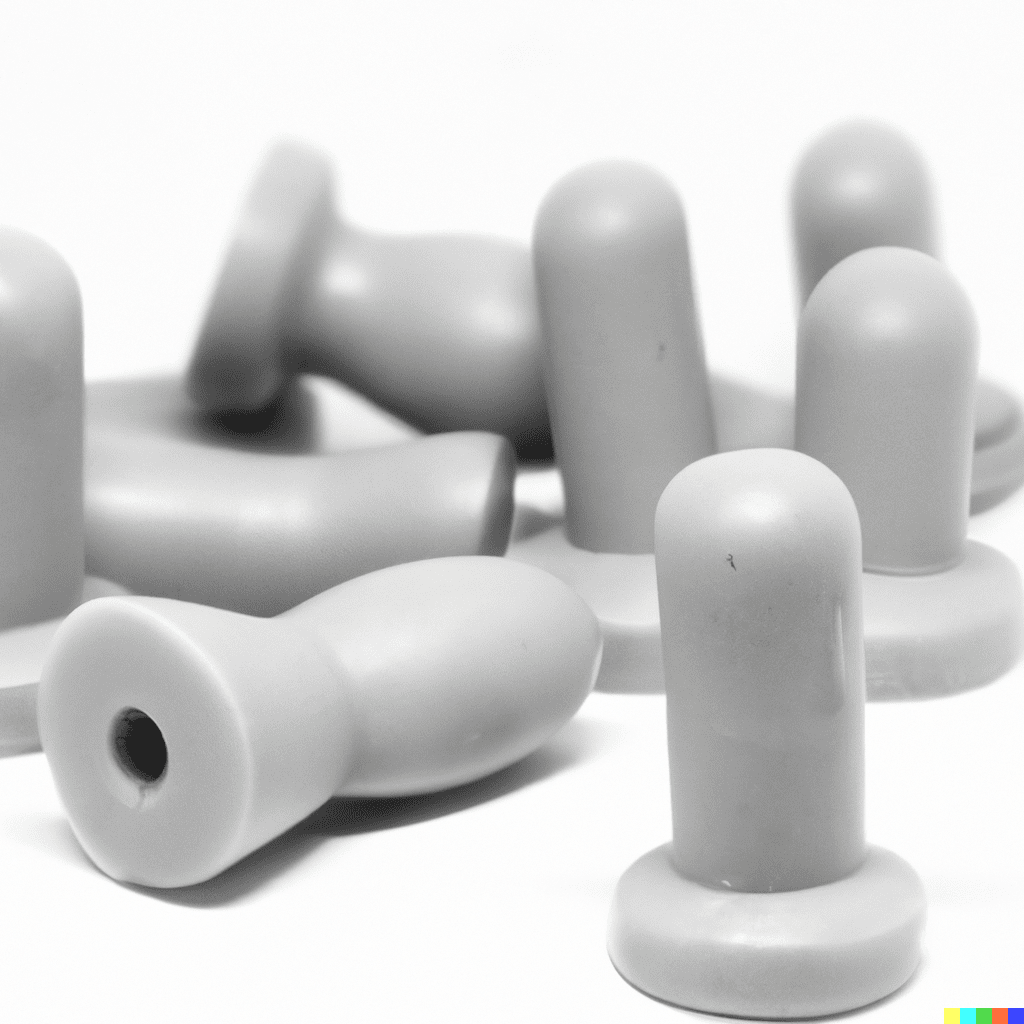
Battery Terminal Cover, Ventilation Grommet, Battery Rack Enclosure, Cable Entry Grommet, Busbar Insulator and Battery Module Housing

Medical

CNC Parts

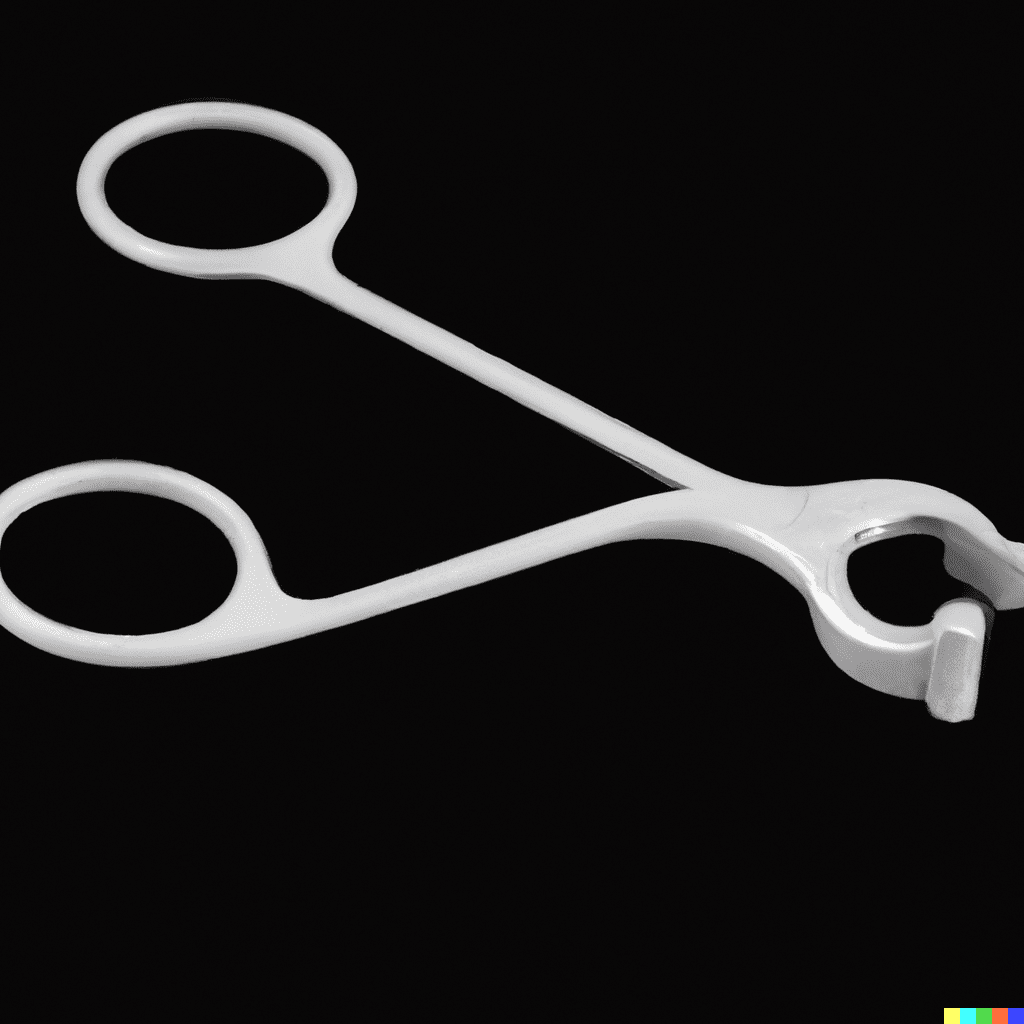
Surgical Scissor Handle, Endoscope Control Knob, Blood Pressure Cuff Bulb, Ultrasound Probe Handle, Electrode Holder Grip and Insulin Pen Handle

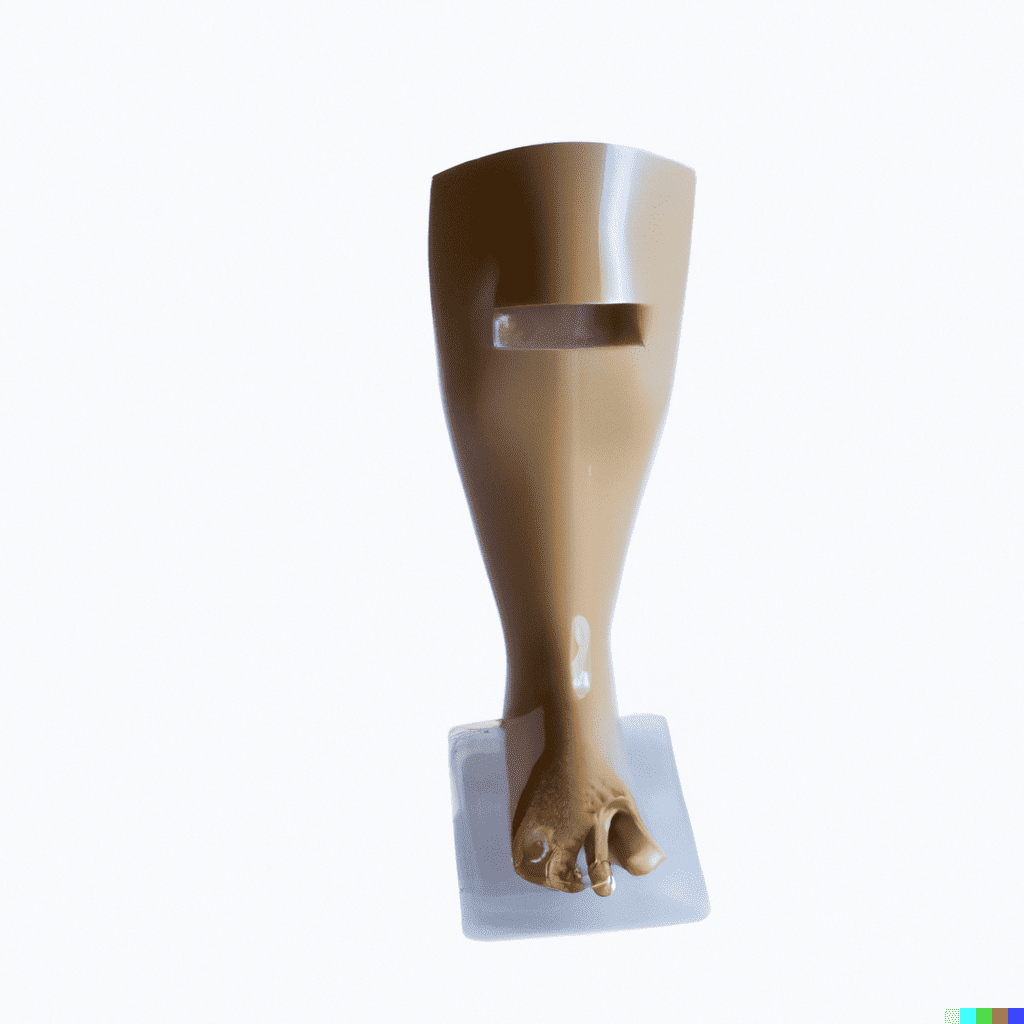
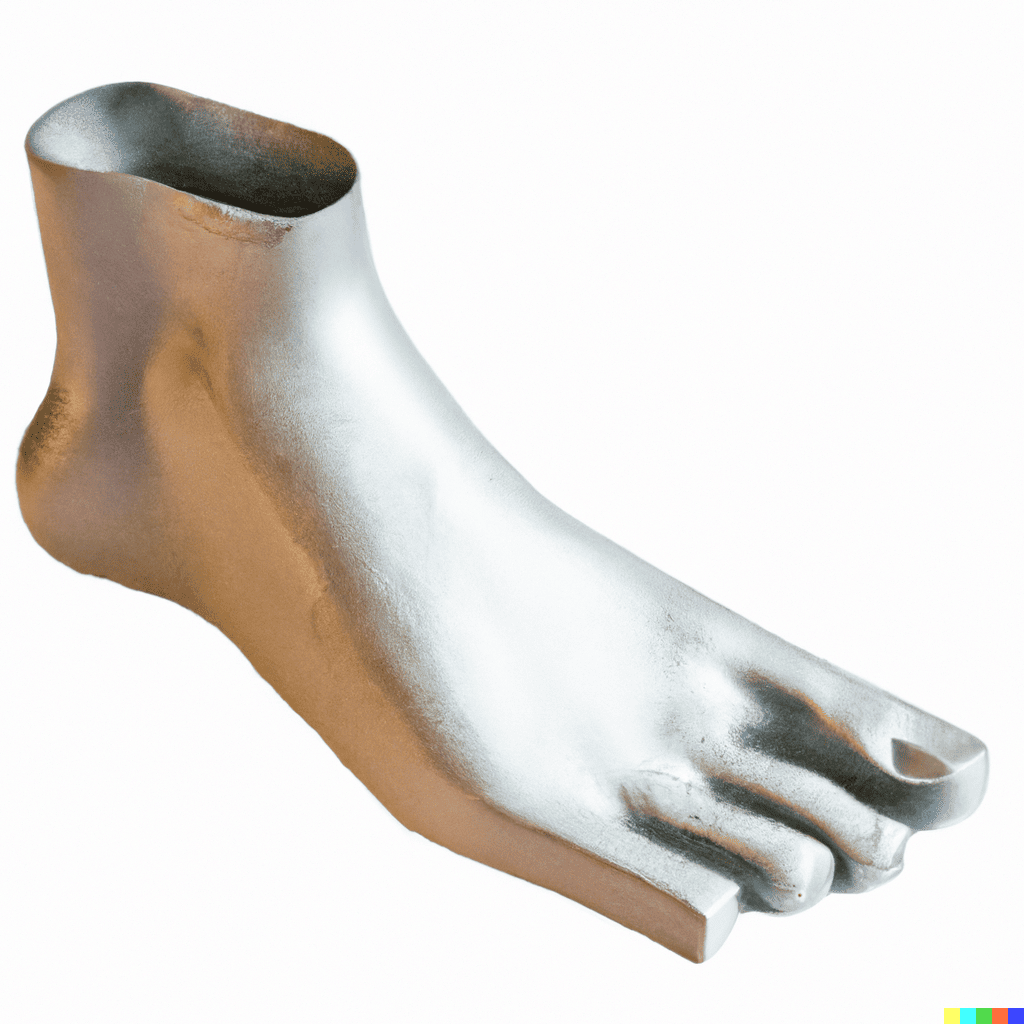
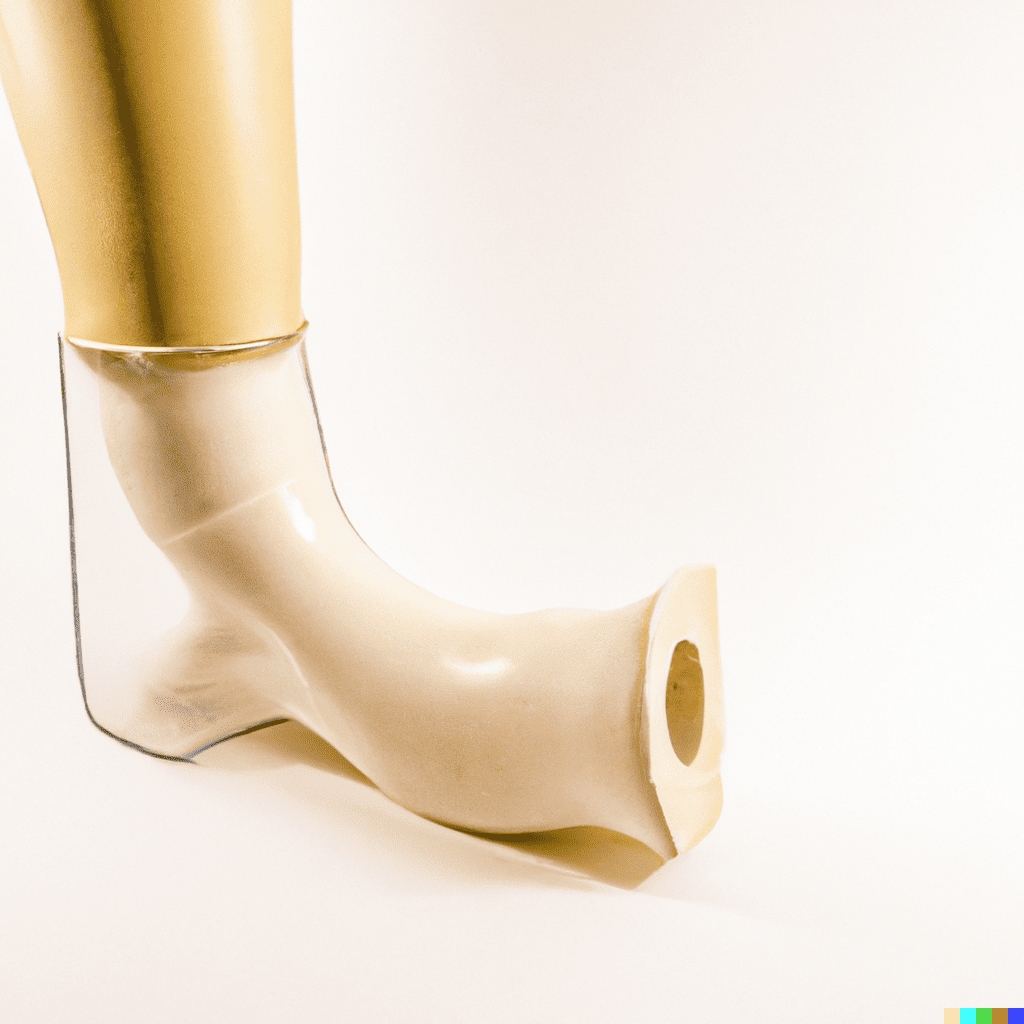
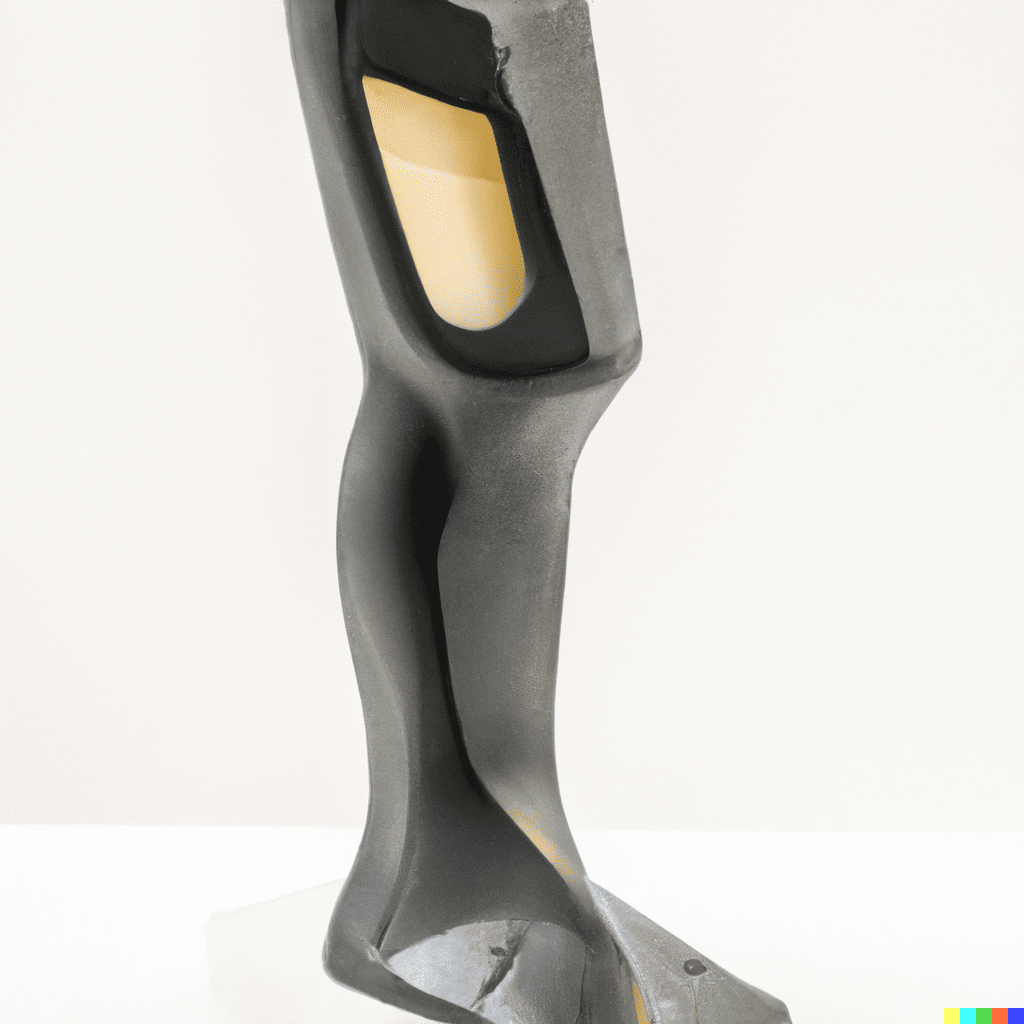
Prosthetic Foot Sole, Shin Tube, Ankle Component, Suspension Sleeve and Cosmetic Cover

Anesthesia Machine Enclosure, Medical Cart Housing, Blood Analyzer Casing, MRI Machine Enclosure and Ventilator Housing

Elbow Brace Pad, Patella Stabilizer Brace and Lumbar Support Brace

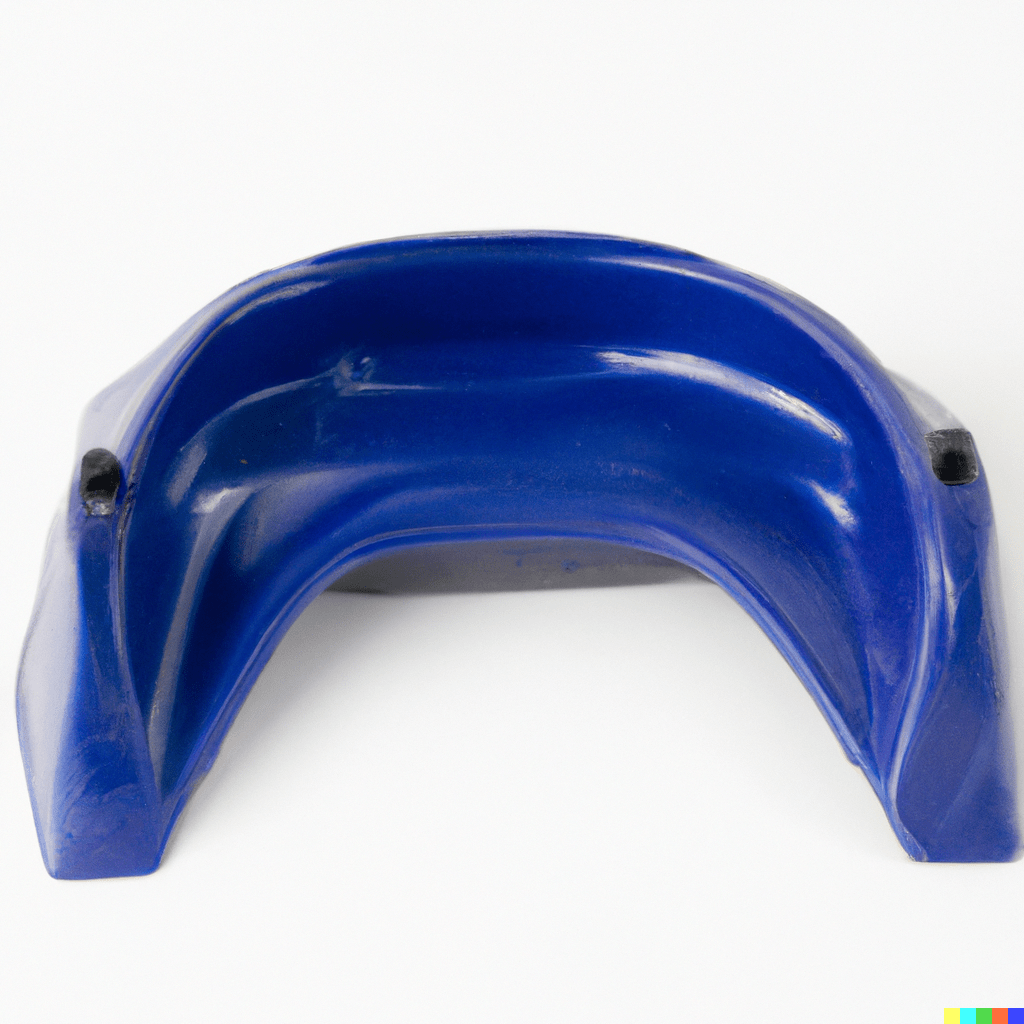
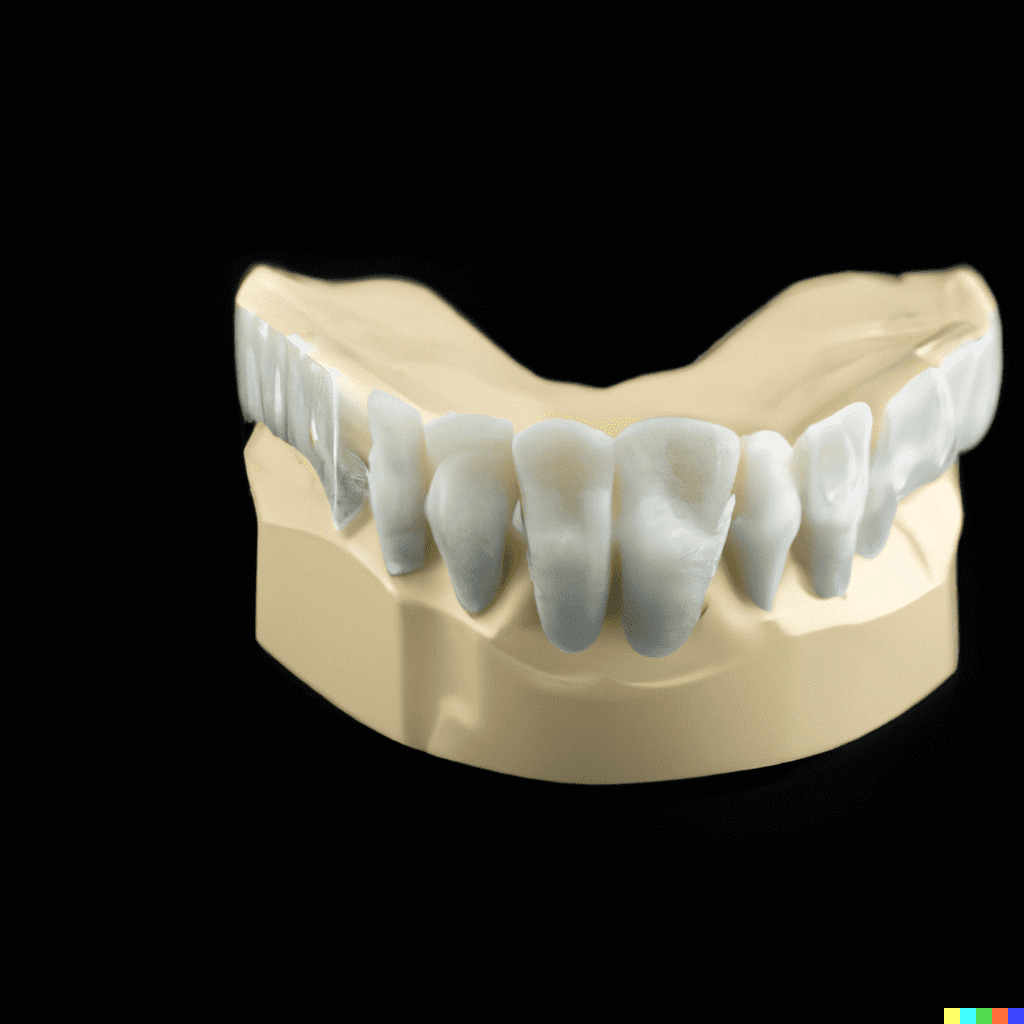
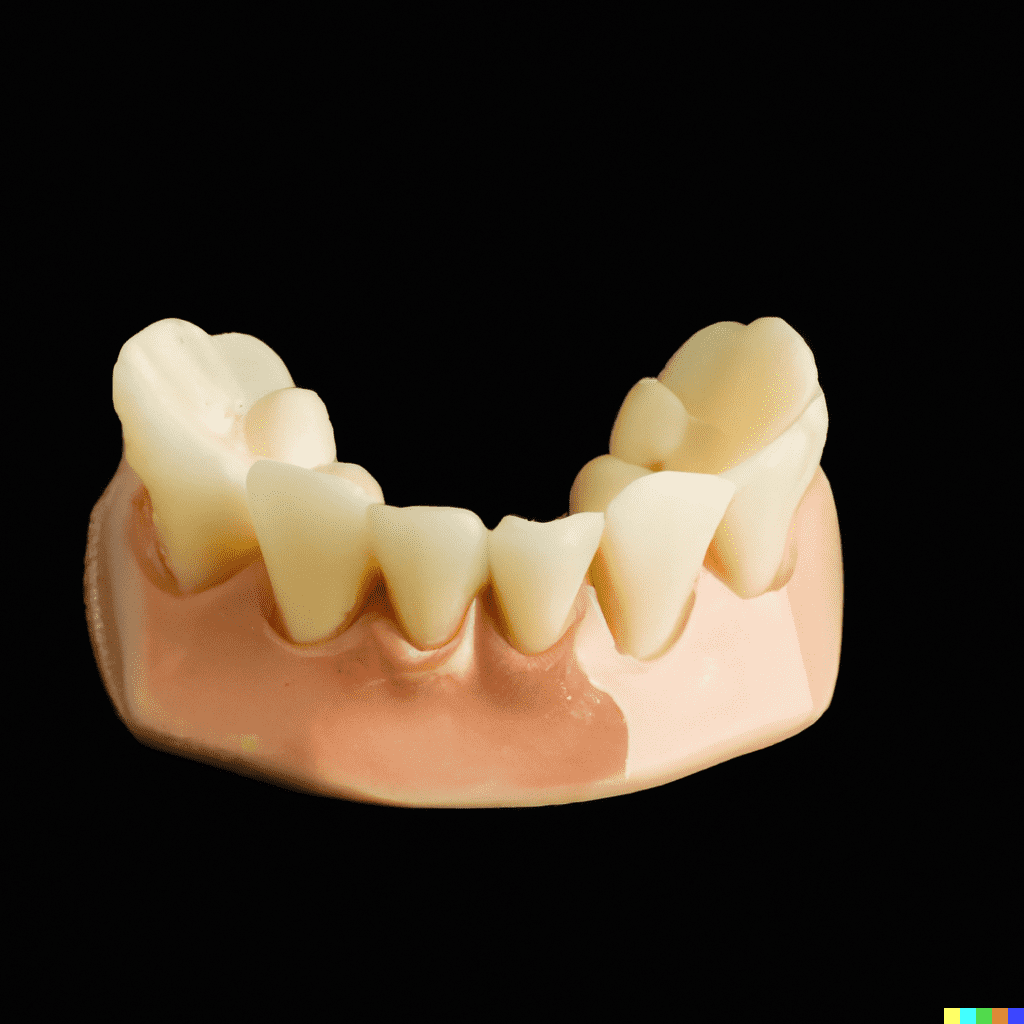
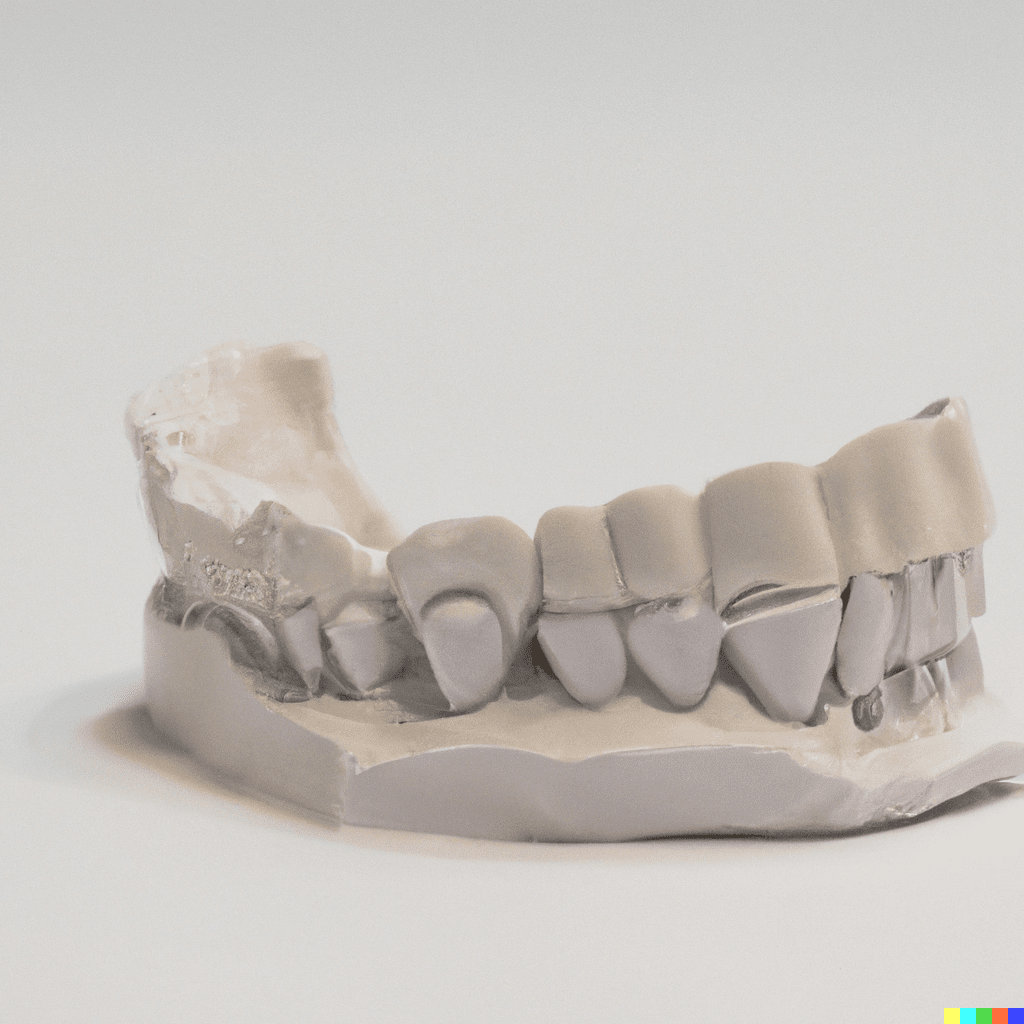
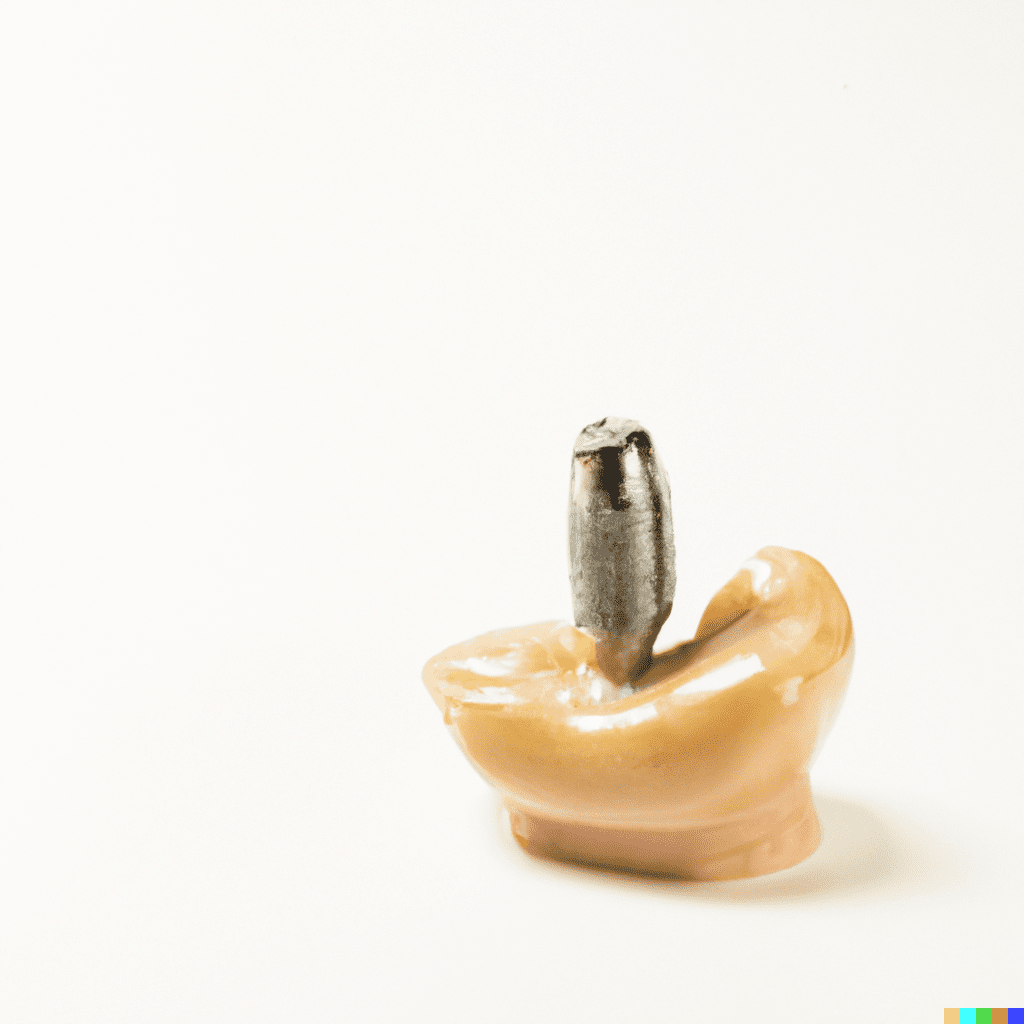
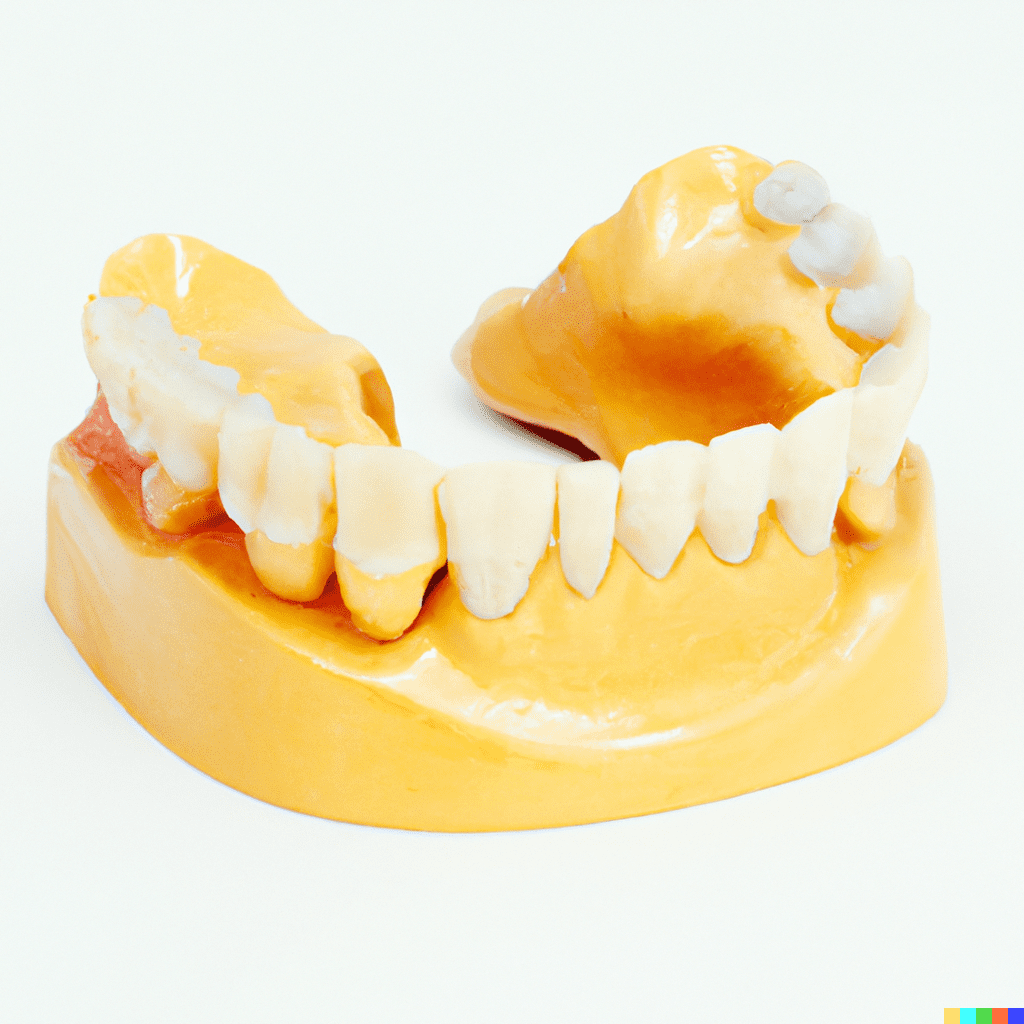
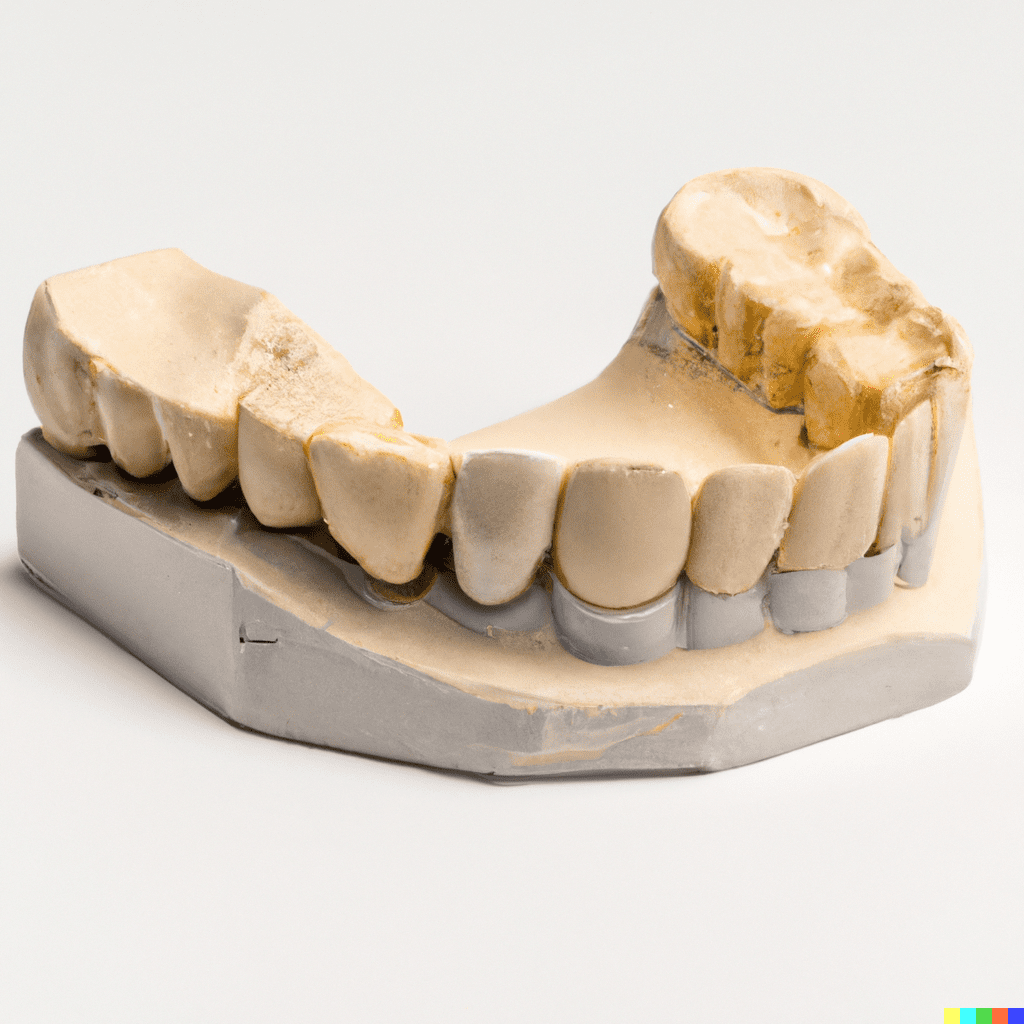
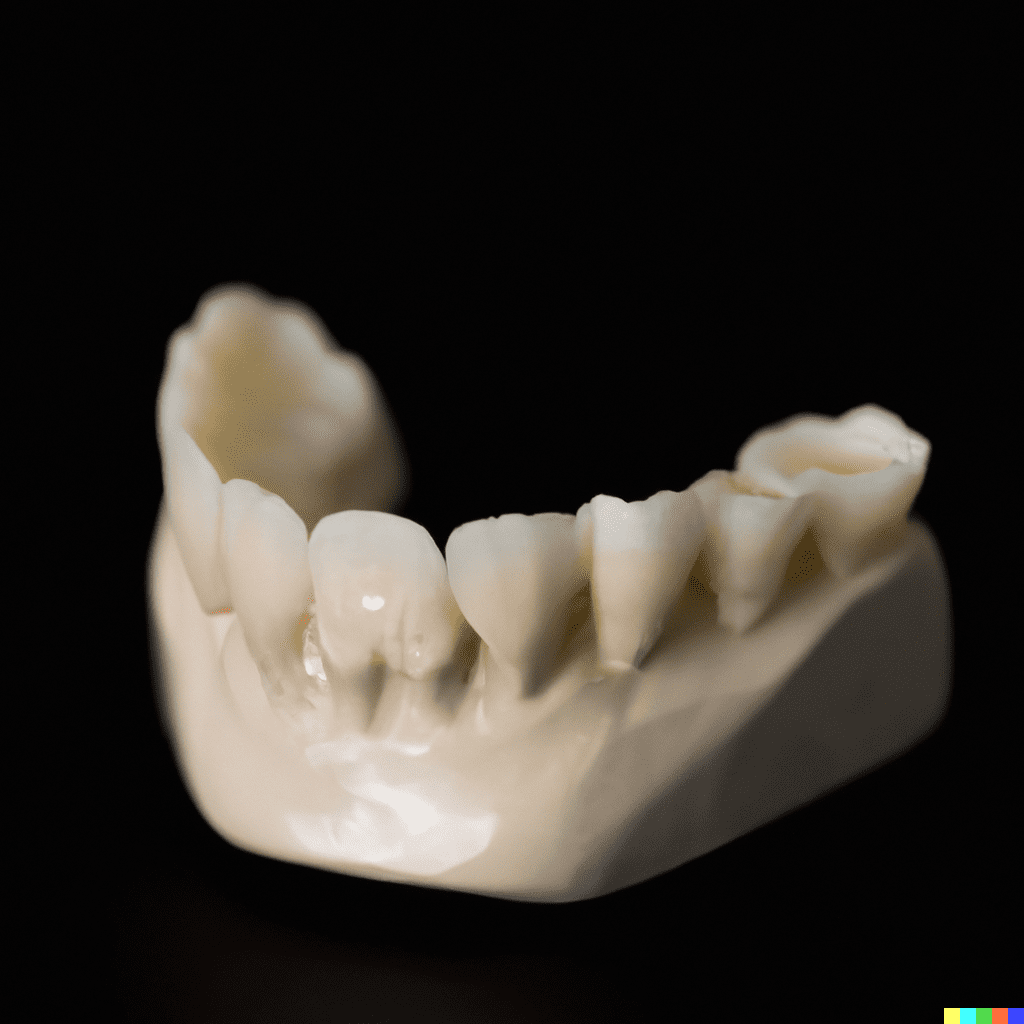
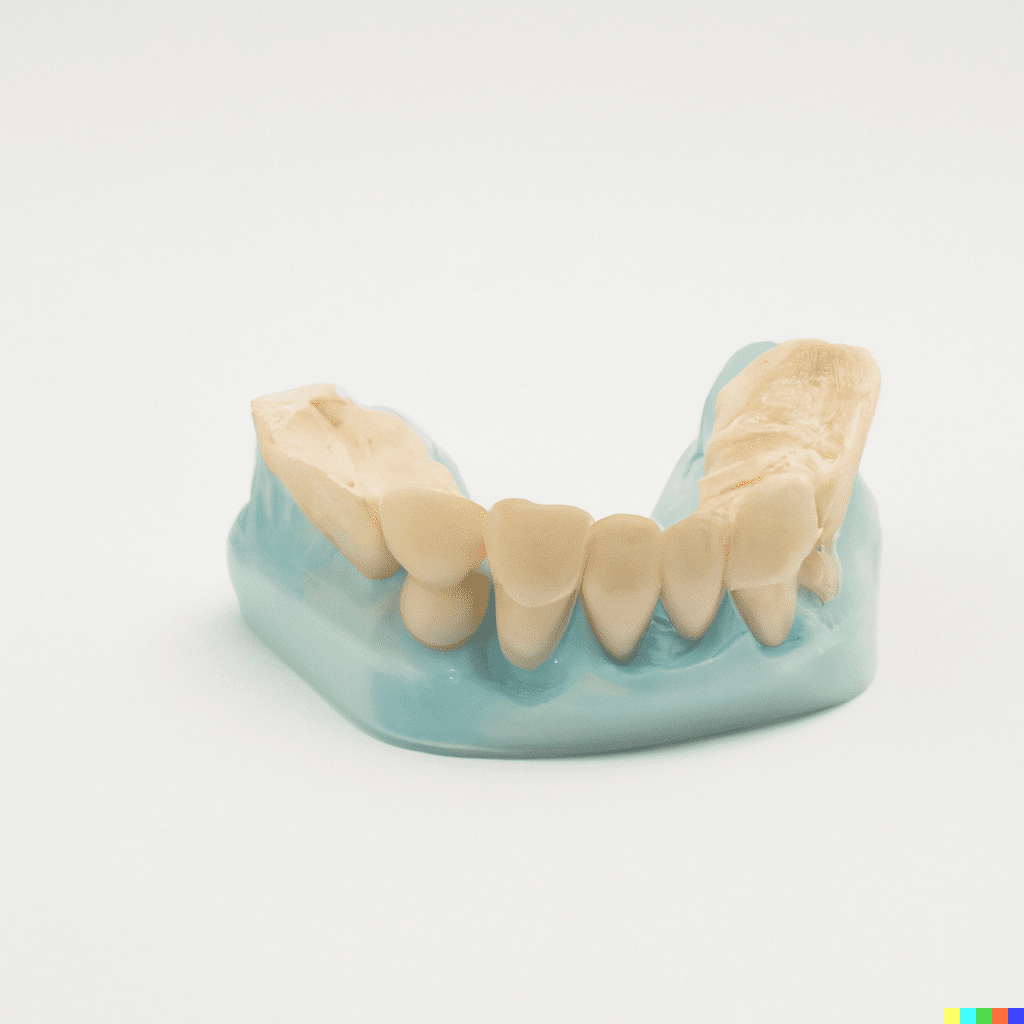
Tooth Model Crown, Gingiva Model, Dental Bridge Model, Implant Model, Orthodontic Appliance Model, Bite Registration Model, Study Cast and Wax Bite Rim Model

Oil and Gas

CNC Parts

Gate Valve Seal, Ball Valve Seat, Butterfly Valve Seal, Plug Valve Seal, Check Valve Seal, Pressure Relief Valve Seal, Globe Valve Seal, Choke Valve Seat, Diaphragm Valve Seal and Control Valve Plug Seal

Pipeline Lining Sleeve, Pipe Bend Lining, Pipe Elbow Lining, Pipe Reducer Lining, Pipe Tee Lining, Pipe Flange Lining, Pipe Coupling Lining, Pipe Cross Lining, Pipe Transition Lining aaand Pipe Spool Lining

Offshore Platform Leg Pad, Subsea Umbilical Clamp, ROV (Remotely Operated Vehicle) Component, Offshore Crane Bushing, Subsea Cable Connector Seal, Offshore Buoyancy Module, Underwater Pipelaying Equipment Part, Offshore Anchor Block, Platform Mooring Component and Offshore Pipeline Pigging Component

Pump Impeller, Pump Volute, Pump Shaft Sleeve, Pump Wear Ring, Pump Casing, Pump Diffuser, Pump Coupling, Pump Suction Bell and Pump Discharge Nozzle

Subsea Electrical Connector, Subsea Hydraulic Connector, Subsea Fiber Optic Connector, Subsea Instrumentation Connector, Subsea Pressure Sensor Connector, Subsea Control System Connector, Subsea Wellhead Connector, Subsea Pipeline Connector, Subsea Manifold Connector and Subsea ROV Connector

CNC Materials
1. Stainless steel

A strong and corrosion-resistant material commonly used for CNC machining parts like precision components, medical instruments, and automotive components.

2. Ren

A durable thermoplastic material suitable for CNC machining complex parts like gears, bearings, and bushings, known for its excellent dimensional stability and low friction properties.

3. POM (Acetol)

A versatile engineering plastic widely used for CNC machining components such as precision gears, rollers, and valve bodies due to its low friction, high strength, and dimensional stability.

4. Polycarbonate

An impact-resistant and transparent material often CNC machined into parts like safety goggles, electronic enclosures, and automotive lighting covers due to its excellent strength and optical clarity.

5. PMMA (Acrylic)
  1. A lightweight and transparent material commonly CNC machined into parts like display panels, signage, and lenses due to its optical clarity, UV resistance, and ease of machining.
6. Nylon

A strong and flexible material used for CNC machining parts like gears, pulleys, and bearings due to its high wear resistance, low friction, and excellent mechanical properties.

7.Aluminum
A lightweight and versatile material widely used for CNC machining parts such as housings, brackets, and heat sinks due to its high strength-to-weight ratio, excellent thermal conductivity, and corrosion resistance.
8. ABS

A durable and impact-resistant thermoplastic commonly CNC machined into parts like prototypes, enclosures, and consumer goods due to its good mechanical properties, ease of machining, and wide range of available colors.

9.Brass

A metal alloy known for its excellent machinability and corrosion resistance, often CNC machined into parts like fittings, valves, and decorative components due to its aesthetic appeal and durability.

10. Copper

A highly conductive and malleable material often CNC machined into electrical connectors, heat sinks, and RF shields due to its excellent electrical and thermal properties.

11. Mild Steel

A low-carbon steel commonly CNC machined into parts like brackets, shafts, and structural components due to its strength, machinability, and cost-effectiveness.

12. Magnesium
A lightweight metal used for CNC machining parts like aerospace components, electronic housings, and automotive parts due to its high strength-to-weight ratio, excellent machinability, and good thermal conductivity.
13. Foam

A lightweight and versatile material used for CNC machining applications like packaging inserts, architectural models, and signage due to its ease of machining, low density, and impact-absorbing properties.

14. Delrin

A high-performance engineering plastic known for its excellent dimensional stability, low friction, and high wear resistance, often CNC machined into parts like bushings, gears, and bearings.

1. Stainless steel

A strong and corrosion-resistant material commonly used for CNC machining parts like precision components, medical instruments, and automotive components.

2. Ren

A durable thermoplastic material suitable for CNC machining complex parts like gears, bearings, and bushings, known for its excellent dimensional stability and low friction properties.

3. POM (Acetol)

A versatile engineering plastic widely used for CNC machining components such as precision gears, rollers, and valve bodies due to its low friction, high strength, and dimensional stability.

4. Polycarbonate

An impact-resistant and transparent material often CNC machined into parts like safety goggles, electronic enclosures, and automotive lighting covers due to its excellent strength and optical clarity.

5. PMMA (Acrylic)
  1. A lightweight and transparent material commonly CNC machined into parts like display panels, signage, and lenses due to its optical clarity, UV resistance, and ease of machining.
6. Nylon

A strong and flexible material used for CNC machining parts like gears, pulleys, and bearings due to its high wear resistance, low friction, and excellent mechanical properties.

7.Aluminum
A lightweight and versatile material widely used for CNC machining parts such as housings, brackets, and heat sinks due to its high strength-to-weight ratio, excellent thermal conductivity, and corrosion resistance.
8. ABS

A durable and impact-resistant thermoplastic commonly CNC machined into parts like prototypes, enclosures, and consumer goods due to its good mechanical properties, ease of machining, and wide range of available colors.

9.Brass

A metal alloy known for its excellent machinability and corrosion resistance, often CNC machined into parts like fittings, valves, and decorative components due to its aesthetic appeal and durability.

10. Copper

A highly conductive and malleable material often CNC machined into electrical connectors, heat sinks, and RF shields due to its excellent electrical and thermal properties.

11. Mild Steel

A low-carbon steel commonly CNC machined into parts like brackets, shafts, and structural components due to its strength, machinability, and cost-effectiveness.

12. Magnesium
A lightweight metal used for CNC machining parts like aerospace components, electronic housings, and automotive parts due to its high strength-to-weight ratio, excellent machinability, and good thermal conductivity.
13. Foam

A lightweight and versatile material used for CNC machining applications like packaging inserts, architectural models, and signage due to its ease of machining, low density, and impact-absorbing properties.

14. Delrin

A high-performance engineering plastic known for its excellent dimensional stability, low friction, and high wear resistance, often CNC machined into parts like bushings, gears, and bearings.

Material Mechanical Properties Physical Properties Chemical Properties Features Common Applications
Tensile Strength: 60-70 MPa
Impact Strength: 10-20 kJ/m²
Heat Deflection Temperature: 135-150°C
Transparent or translucent
Good dimensional stability
Resistant to many chemicals and oils
Excellent transparency
High temperature resistance
Aerospace and Defense: Transparent canopies, Medical: Medical device components
Tensile Strength: 40-60 MPa
Impact Strength: 5-20 kJ/m²
Heat Deflection Temperature: 100-120°C
Various colors available
Good dimensional stability
Resistant to many chemicals and oils
Suitable for high-temperature applications
Aerospace and Defense: Engine components, Automotive: Engine components
Tensile Strength: 60-80 MPa
Impact Strength: 20-40 kJ/m²
Density: 1.03 g/cm³
Melting Point: 220-260°C
Various colors available
Low density
Good dimensional stability
Resistant to many chemicals and oils
High strength and impact resistance
Lightweight
Automotive: Bumpers, Aerospace and Defense: Structural components
Tensile Strength: 40-60 MPa
Impact Strength: 5-20 kJ/m²
Density: 1.03 g/cm³
Melting Point: 220-260°C
Black color
Low density
Good dimensional stability
Resistant to many chemicals and oils
Black appearance
Lightweight –
Durable
Consumer Products: Electronics casings, automotive interior parts
Tensile Strength: 40-60 MPa
Impact Strength: 5-20 kJ/m²
Density: 1.03 g/cm³
Melting Point: 220-260°C
White color
Low density
Good dimensional stability
Resistant to many chemicals and oils
White appearance
Lightweight
Durable
Consumer Products: Electronics casings, toys, kitchen appliances
ABS
Good impact resistance
Density: 1.03 g/cm³
Resistant to diluted acids, alkalis
High strength, versatility,
cost-effective
Automotive, Consumer Products
ABS – M30i
– Good tensile strength
– Density: 1.04 g/cm³
– Medical grade
– Biocompatible, sterilizable, suitable for medical devices
Medical
ABS ESD
– Static-dissipative properties
– Density: 1.06 g/cm³
– ESD protection
– Prevents electrostatic discharge, suitable for electronics
Aerospace and Defense, Consumer Products
ABS-Like
– High toughness and durability
– Density: Varies by formulation
– Resistant to various chemicals
– Resembles ABS but may offer specific improvements
Varies by formulation
Accura 25
– High accuracy and resolution
– Density: Varies by formulation
– Photopolymer
– Used in stereolithography 3D printing, fine details
Consumer Products, Medical, Aerospace and Defense
Accura 60
– High strength and durability
– Density: Varies by formulation
– Photopolymer
– Tough and durable, suitable for functional prototypes
Consumer Products, Aerospace and Defense
Accura AMX Rigid Black
– High impact resistance
– Density: Varies by formulation
– Photopolymer
– Rigid and durable, good for functional prototypes
Consumer Products, Aerospace and Defense
Accura ClearVue
– High transparency and clarity
– Density: Varies by formulation
– Photopolymer
– Crystal clear appearance, ideal for clear parts
Consumer Products, Medical
Accura Xtreme Grey/White
– High toughness and durability
– Density: Varies by formulation
– Photopolymer
– Resistant to high temperatures, strong and rigid
Consumer Products, Aerospace and Defense
ASA
– Excellent UV resistance
– Density: 1.07 g/cm³
– Weather-resistant
– Outdoor durability, retains color and strength in sunlight
Automotive, Consumer Products
Nylon
– High tensile strength
– Density: 1.15 g/cm³
– Resistant to moisture, chemicals
– Tough and durable, suitable for functional parts
Aerospace and Defense, Automotive, Consumer Products
Nylon 11 Flame Retardant
– Flame retardant properties
– Density: Varies by formulation
– Flame-resistant
– Fire safety, suitable for applications requiring flame resistance
Aerospace and Defense, Automotive
Nylon 12
– Good chemical resistance
– Density: 1.02 g/cm³
– Resistant to oils, greases
– Versatile, suitable for various industrial applications
Aerospace and Defense, Automotive, Consumer Products, Oil and Gas
Nylon 6
– High impact strength
– Density: 1.14 g/cm³
– Resistant to moisture, abrasion
– Durable, excellent for applications requiring impact resistance
Automotive, Consumer Products
PA 12 Glass Beads
– Improved stiffness and dimensional stability
– Density: Varies by formulation
– Reinforced with glass beads
– Increased stiffness, suitable for engineering applications
Automotive, Aerospace and Defense
PC-ISO
– High strength and heat resistance
– Density: Varies by formulation
– Biocompatible
– Suitable for medical and aerospace applications
Aerospace and Defense, Medical
PC+ABS
– Good impact resistance
– Density: Varies by formulation
– Resistant to chemicals
– Blends properties of PC and ABS, versatile material
Automotive, Consumer Products
PETG
– Excellent transparency and impact resistance
– Density: 1.27 g/cm³
– Food-safe, BPA-free
– Clarity and toughness, ideal for packaging and displays
Consumer Products, Medical
PLA
– Biodegradable and easy to print
– Density: 1.24 g/cm³
– Biodegradable
– Eco-friendly, easy to 3D print
Consumer Products, Medical
Polycarbonate (PC)
– High impact resistance, optical clarity
– Density: 1.20 g/cm³
– Excellent optical properties
– Exceptional clarity and strength, suitable for transparent parts
Aerospace and Defense, Consumer Products, Medical
Polypropylene
– Low density and good chemical resistance
– Density: 0.90 g/cm³
– Resistant to moisture, chemicals
– Lightweight, suitable for low-stress applications
Consumer Products, Automotive
Rubber-Like
– Flexible and rubber-like properties
– Density: Varies by formulation
– Flexible elastomer
– Mimics rubber, suitable for gaskets and seals
Automotive, Consumer Products
Somos Evolve
– High strength and heat resistance
– Density: Varies by formulation
– Photopolymer
– Engineering-grade material, suitable for functional prototypes
Aerospace and Defense, Automotive
Somos PerFORM
– High stiffness and heat resistance
– Density: Varies by formulation
– Photopolymer
– Strong and stiff, ideal for high-temperature applications
Aerospace and Defense
Somos Waterclear
– High transparency and clarity
– Density: Varies by formulation
– Photopolymer
– Transparent, suitable for clear prototypes and parts
Consumer Products, Medical
Somos Watershed
– Excellent clarity and water resistance
– Density: Varies by formulation
– Photopolymer
– Waterproof, suitable for water-resistant parts
Consumer Products, Medical
ST-130
– High toughness and durability
– Density: Varies by formulation
– Photopolymer
– Rigid, tough, and durable, good for functional prototypes
Consumer Products, Aerospace and Defense
TPU 88A
– Flexible and elastomeric properties
– Density: Varies by formulation
– Thermoplastic polyurethane
– Flexibility and resilience, suitable for elastomeric parts
Automotive, Consumer Products, Medical
Ultem 1010
– High strength, heat, and chemical resistance
– Density: 1.27 g/cm³
– Flame-resistant, UL 94 V0
– Engineering-grade thermoplastic with excellent properties
Aerospace and Defense, Automotive, Oil and Gas
Ultem 9085
– High strength, heat, and chemical resistance
– Density: 1.27 g/cm³
– Flame-resistant, UL 94 V0
– Suitable for aerospace and transportation applications
Aerospace and Defense, Automotive
Vero
– Rigid and durable
– Density: Varies by formulation
– Photopolymer
– Versatile material, good for prototypes and models
Consumer Products, Aerospace and Defense
VeroClear
– High transparency and clarity
– Density: Varies by formulation
– Photopolymer
– Transparent appearance, ideal for clear parts
Consumer Products, Medical
CNC Finishes
  1. Anodizing: An electrochemical process that enhances the surface of metal parts with a protective oxide layer, offering increased corrosion resistance and improved aesthetics. It is preferred for aluminum parts that require durability, color options, and resistance to wear and weathering.
  2. Painting: The application of a protective coating on CNC machined parts to provide aesthetic appeal, color customization, and added protection against corrosion. It is preferred when parts require specific colors, branding, or a decorative finish.
  3. Pad Printing: A printing technique where ink is transferred from a silicone pad onto CNC machined parts, allowing for detailed and precise graphics, text, or logos to be applied. It is preferred when parts require intricate designs, branding, or labeling.
  4. Sanding and Polishing: The process of smoothing the surface of CNC machined parts through abrasion to achieve a desired finish. It is preferred when parts require a smooth, glossy, or reflective surface for aesthetics, improved functionality, or ease of cleaning.
  5. Vapor Polishing: A process that involves exposing CNC machined parts to vaporized solvents, resulting in the surface being melted and re-solidified, producing a high-gloss finish. It is preferred for transparent or clear parts, such as acrylic or polycarbonate, when a glossy and optically clear finish is desired.
  6. Blasting: The use of abrasive materials, such as sand or glass beads, to remove surface imperfections, burrs, or scale from CNC machined parts, resulting in a uniform texture or a matte finish. It is preferred when parts require a textured appearance, improved adhesion for coatings, or to remove sharp edges or burrs.
CNC Parts

1. Aerospace and Defense

    • Aircraft components: Wings, fuselage, landing gear.
    • Engine parts: Turbine blades, combustion chambers, fuel nozzles.
    • Aerospace fasteners: Bolts, nuts, rivets.
    • Missile components: Guidance systems, rocket motors, warhead casings.
    • Defense system parts: Gun barrels, ammunition casings, armored vehicle components.

Turbine Blades

Bulkheads

Control Surfaces

Instrument panel bezels

Fuselage frames

Aircraft skins

Landing gear struts

Wing Ribs

Wing spars

2. Automotive

    • Engine components: Cylinder heads, pistons, crankshafts.
    • Transmission parts: Gears, shafts, synchronizers.
    • Brackets and mounts: Engine mounts, suspension brackets.
    • Interior trim parts: Dashboard components, door panels.
    • Automotive lighting housings: Headlight assemblies, taillight covers.

3. Consumer Products

    • Electronic enclosures: Housing for electronic devices, control panels.
    • Appliance components: Handles, knobs, control buttons.
    • Custom knobs and handles: Decorative or functional knobs and handles.
    • Decorative accessories: Ornaments, figurines, jewelry components.
    • Personal care product components: Cosmetic containers, toothbrush handles.

4. Energy

    • Turbine parts: Blades, vanes, rotor discs.
    • Pump and valve components: Impellers, valve bodies, seals.
    • Heat exchanger parts: Tubes, fins, headers.
    • Solar panel components: Mounting brackets, frames, junction boxes.
    • Electrical connectors: Cable connectors, terminal blocks, sockets.

5. Medical

    • Surgical instruments: Forceps, scalpels, retractors.
    • Implantable device components: Joint implants, pacemaker components.
    • Prosthetic parts: Limb sockets, joint components.
    • Medical equipment housings: Casing for diagnostic equipment, monitors.
    • Dental appliance components: Denture frames, orthodontic brackets.

6. Oil and Gas

    • Drilling tool components: Drill bits, drill collars, stabilizers.
    • Valve bodies and seats: Gate valves, ball valves, control valves.
    • Pump parts: Impellers, casings, seals.
    • Subsea connectors: Couplings, connectors, riser systems.
    • Pipeline fittings and flanges: Flange connections, pipe connectors, pipeline supports.

Aerospace and defence

CNC Parts

Engine Seal, Cargo Door Seal, Hydraulic System Seal, Landing Gear Door Seal and Fuselage Joint Seal

Armrest, Tray Table, Seat Cushion, Overhead Console, Window Frame, Headrest and Lavatory Fixture

Helicopter Skid Shock Absorber, Cockpit Seat Shock Absorber, Cargo Ramp Shock Absorber, Parachute Landing Shock Absorber, Nose Wheel Strut and Main Landing Gear Strut

Turbine Blade, Combustion Chamber Liner, Thrust Reverser Component, Fuel Nozzle, Engine Mount Isolator, Exhaust Duct Liner, Intake Manifold Gasket, Heat Shield, Engine Baffle Seal and Ignition Coil Boot

Drone Frame, Landing Gear Leg, Propeller Guard, Camera Mount, GPS Antenna Enclosure, Gimbal Stabilizer, Motor Mount Bracket and Arm Reinforcement Plate

Automotive

CNC Parts

Front Lower Control Arm Bushing, Rear Upper Control Arm Bushing, Sway Bar Bushing, Subframe Bushing, Strut Mount Bushing, Leaf Spring Bushing, Tie Rod End Bushing, Trailing Arm Bushing, Stabilizer Bar Bushing and Steering Rack Bushing

Front Bump Stop, Rear Bump Stop, Strut Bump Stop, Coil Spring Bump Stop, Shock Absorber Bump Stop, Sway Bar Bump Stop and Axle Bump Stop

Dashboard Panel Trim, Door Panel Insert, Cup Holder Trim, Headliner Trim, Seat Back Panel and Glove Compartment Trim

Front Bumper Spoiler, Rear Bumper Diffuser, Side Skirts, Fender Flares, Hood Scoop, Roof Spoiler and Front Lip Spoiler

Forklift Front Tire Tread, Forklift Rear Tire Tread, Industrial Vehicle Rear Tire Tread, Warehouse Equipment Tire Tread, Lawn Tractor Tire Tread and Material Handling Equipment Tire Tread

Consumer Products

CNC Parts

Shoe Insoles, Shoe Outsoles, Shoe Midsoles, Heel Cushions, Arch Support Inserts and Shoelaces

Action figure parts, Puzzle pieces, Board game components, Toy car bodies and Doll accessories

Refrigerator Door Handle, Dishwasher Door Handle, Toaster Handle and Kitchen Appliance Drawer Handle

Tennis Racket Grip, Golf Club Grips, Bicycle Handlebar Grips, Fishing Rod Handles, Ski Pole Grips, Bowling Ball Finger Inserts and Ping Pong Paddle Grips

Branded keychains, Customized USB drives, Logo-bearing pens, Promotional event giveaways, Custom phone stands, Business card holders, Unique promotional trophies, Customized badges and buttons, Drink coasters with logos and Event-specific 3D printed gifts

Energy

CNC Parts

Pump Shaft Seal, Compressor Piston Seal, Valve Stem Seal, Crankshaft Seal, Transmission Input Shaft Seal, Hydraulic Cylinder Seal, Gearbox Output Seal, Oil Cooler Seal, Gas Turbine Seal and Wellhead Seal

Turbine Blade, Runner Hub, Wicket Gate, Generator Stator, Penstock Liner, Draft Tube, Turbine Bearing, Blade Pitch Control Arm, Guide Vane and Turbine Nozzle

Solar Cell Encapsulation Sheet, Frame Gasket and Busbar Encapsulation

Wind Turbine Blade, Pitch Bearing Seal, Mainshaft Bearing, Rotor Hub, Gearbox Breather Plug and Tower Flange Gasket

Battery Terminal Cover, Ventilation Grommet, Battery Rack Enclosure, Cable Entry Grommet, Busbar Insulator and Battery Module Housing

Medical

CNC Parts

Surgical Scissor Handle, Endoscope Control Knob, Blood Pressure Cuff Bulb, Ultrasound Probe Handle, Electrode Holder Grip and Insulin Pen Handle

Prosthetic Foot Sole, Shin Tube, Ankle Component, Suspension Sleeve and Cosmetic Cover

Anesthesia Machine Enclosure, Medical Cart Housing, Blood Analyzer Casing, MRI Machine Enclosure and Ventilator Housing

Elbow Brace Pad, Patella Stabilizer Brace and Lumbar Support Brace

Tooth Model Crown, Gingiva Model, Dental Bridge Model, Implant Model, Orthodontic Appliance Model, Bite Registration Model, Study Cast and Wax Bite Rim Model

Oil and Gas

CNC Parts

Gate Valve Seal, Ball Valve Seat, Butterfly Valve Seal, Plug Valve Seal, Check Valve Seal, Pressure Relief Valve Seal, Globe Valve Seal, Choke Valve Seat, Diaphragm Valve Seal and Control Valve Plug Seal

Pipeline Lining Sleeve, Pipe Bend Lining, Pipe Elbow Lining, Pipe Reducer Lining, Pipe Tee Lining, Pipe Flange Lining, Pipe Coupling Lining, Pipe Cross Lining, Pipe Transition Lining aaand Pipe Spool Lining

Offshore Platform Leg Pad, Subsea Umbilical Clamp, ROV (Remotely Operated Vehicle) Component, Offshore Crane Bushing, Subsea Cable Connector Seal, Offshore Buoyancy Module, Underwater Pipelaying Equipment Part, Offshore Anchor Block, Platform Mooring Component and Offshore Pipeline Pigging Component

Pump Impeller, Pump Volute, Pump Shaft Sleeve, Pump Wear Ring, Pump Casing, Pump Diffuser, Pump Coupling, Pump Suction Bell and Pump Discharge Nozzle

Subsea Electrical Connector, Subsea Hydraulic Connector, Subsea Fiber Optic Connector, Subsea Instrumentation Connector, Subsea Pressure Sensor Connector, Subsea Control System Connector, Subsea Wellhead Connector, Subsea Pipeline Connector, Subsea Manifold Connector and Subsea ROV Connector

Recent Posts
Blog Pagination

Where Injection Molding Quotes Hide Margin

The procurement team had three quotes on the table. They ranged from $0.58 to $0.91 per part at 50,000 units annually. The team chose the lowest.

The 5-Step Framework for Choosing a Manufacturing Process Without Regret

Here is a pattern we see more often than we should. A program reaches production readiness, design is locked, tooling is ordered or already in-house, the supply chain is set.

Sheet Metal, Vacuum Forming, and Metal Casting: Picking the Right Process for the Right Geometry

An industrial equipment manufacturer came to us with an enclosure design that had been developed on solid modeling software by an engineer whose previous experience was almost entirely in machined components.

Additive Manufacturing and Cast Urethane: Where They Fit and Where They Don't

A product team was twelve weeks from a clinical submission deadline. They needed thirty units of a handheld medical device housing, production-representative in cosmetics, dimensionally accurate, and available in two colorways for user testing.

CNC Machining vs. Injection Molding: What the Numbers Actually Tell You

A consumer electronics company came to us with a housing part they had been machining at low volume while they waited on market validation.

You Approved the CAD File. Here's Where Most Manufacturing Programs Start to Unravel.

Picture a part that has been through weeks of engineering review. The 3D model is solid. Wall thicknesses have been checked, tolerances have been assigned, and the geometry looks exactly the way it needs to function.

The Real Cost of Cheap Overseas Tooling

May 12, 2026

The quote came in at $12,000. The domestic option was $49,000. For a medical device manufacturer under budget pressure, the math looked obvious – until the tool arrived.

Volume Breakpoints: When Injection Molding Actually Makes Sense

May 5, 2026

The product manager’s spreadsheet said injection molding was cheaper. It was – on a per-part basis. What the spreadsheet didn’t include was the $18,000 steel mold, the six-week lead time.

Bridge Production: To Skip or Not to Skip?

April 28, 2026

The design passed DVT. The contract manufacturer had been briefed. The steel mold was quoted. And then someone on the leadership team asked when they could start shipping.

Your Prototype Passed Every Test. Here's Why That's the Problem.

April 21, 2026

The part passed every test. Eight months of iteration, four rounds of DVT, a signed-off design review. The first production run shipped 400 units. Thirty percent came back.

Aluminum Tooling for Low-Volume Manufacturing?

April 14, 2026

The medical device startup had 60 days to get functional housings into the hands of a clinical partner. Their enclosure design was largely validated – one or two minor tweaks still possible, but nothing structural.

The $25,000 Decision: CNC Machining vs Injection Tooling at 1,200 Units

April 07, 2026

A product manager at a consumer electronics company recently landed a pilot order: 1,200 units of a plastic enclosure, confirmed purchase order, ship date in eight weeks.

Manufacturing for Reliability, Not Just Speed - What Changes?

March 31, 2026

A medical device company completes a successful pilot. The manufacturing process looks clean, the assembly line is humming, and the launch timeline is on track – until field returns start coming in at month four.

How Early Manufacturing Decisions Impact Unit Cost at Scale

March 24, 2026

The engineering team celebrated. Their medical device prototype worked perfectly, passed initial testing, and impressed investors. Early manufacturing decisions looked solid.

CNC Machining vs Injection Molding:
Cost, Lead Time, and Volume Tradeoffs

March 17, 2026

The product manager had 72 hours to decide. His startup needed 500 housings for beta units shipping to pilot customers next month.

Injection Molding: From Vendor Management to Supply-Chain Collaboration

March 10, 2026

The call came at 4 PM on a Friday. A Tier 1 automotive supplier’s injection molding resin vendor couldn’t deliver next week’s order. Force majeure.

The New Playbook for Material Agility: Designing Products That Survive Resin Shortages

March 3, 2026

A product manager at a medical device company got the call on a Tuesday morning. Their primary resin supplier declared force majeure. Production stopped.

When Prototypes Fail in Production - and How to Prevent It

February 24, 2026

A medical device startup spent eight months perfecting their prototypes. The design won awards. Investors lined up. Then they scaled to production, and the failure rate hit 40 percent.

How to Choose Between Manufacturing Processes for Functional Prototypes and Low-Volume Production

February 17, 2026

When selecting the manufacturing process for functional prototypes or low-volume production, the decision can often feel overwhelming.

Tooling as a Strategic Asset: The Missing Link in Manufacturing Continuity

February 10, 2026

The production line was ready. Materials were in. Demand was real. Then a single tool cracked.

How Design for Manufacturing and Assembly (DFMA) Builds Predictability from Day One

February 03, 2026

The first prototype looked perfect on screen. Clean geometry. Tight tolerances. Everyone nodded in the review.

Why Resilience Has Replaced Cost as the New Competitive Advantage in Injection Molding

January 27, 2026

In early 2020, a mid-sized molding supplier in Eastern Europe found itself in an unforeseen crisis.

The Biggest Prototyping Bottlenecks Engineers Face Today – And How to Fix Them

January 20, 2026

In Silicon Valley, a product team racing against time had their prototype ready but something was wrong.

Top 10 (CAD) Computer Aided Design Mistakes That Delay Manufacturing

January 13, 2026

The part looked right on the screen. It cleared internal review. It even passed a quick Design For Manufacturing (DFM) check inside the Computer Aided Design environment.

What’s Driving the Surge in Prototype Demand for Robotics, Aerospace, and Medical Industries

January 8, 2026

Rapid Prototyping Is No Longer a Safety Net. It’s the Critical Path.

Empowering Medical Innovations: PrintForm's Cutting-Edge Manufacturing Services

March 16, 2024

In the rapidly evolving healthcare and medical product development marketplace...

The Transformative Power of CNC Machining

October 17, 2023

In the realm of modern manufacturing, CNC machining redefines precision...

FDM 3D Printing Revolutionizing EV Manufacturing

July 07, 2023

The EV industry is evolving rapidly with the help of 3D printing...

3D PRINTING VS COVID-19

January 22, 2021

Dramatic healthcare needs during COVID-19 created urgent manufacturing demand...

PrintForm’s Online Instant Quoting System

October 27, 2020

Getting quotes has never been more convenient...

PrintForm Ends 2018 With NPS of 76

January 14, 2019

Another successful year for PrintForm driven by customer satisfaction...

Injection Molding Glossary

June 25, 2018

Our molding experience has grown tremendously over the years...

Design Considerations For SLS

August 25, 2017

SLS technology is suitable for complex designs and applications...

Unmatched Manufacturing Results through Precision Engineering

Experience the power of PrintForm’s CNC machining services, where precision meets versatility. Our advanced manufacturing processes and skilled engineering team offer an extensive array of finish and secondary processing options. With a commitment to exceeding your expectations, we prioritize your unique requirements over any specific technology or machine. Whether it’s high-quality plastic or metal components, our CNC machining capabilities deliver unmatched dimensional accuracy, critical surface finishes, and material-specific properties. Trust PrintForm to provide precision engineering solutions that empower your success in today’s competitive landscape.

1. Aerospace and Defense

CNC Materials
  1. Stainless steel: A strong and corrosion-resistant material commonly used for CNC machining parts like precision components, medical instruments, and automotive components.
  2. Ren: A durable thermoplastic material suitable for CNC machining complex parts like gears, bearings, and bushings, known for its excellent dimensional stability and low friction properties.
  3. POM (Acetol): A versatile engineering plastic widely used for CNC machining components such as precision gears, rollers, and valve bodies due to its low friction, high strength, and dimensional stability.
  4. Polycarbonate: An impact-resistant and transparent material often CNC machined into parts like safety goggles, electronic enclosures, and automotive lighting covers due to its excellent strength and optical clarity.
  5. PMMA (Acrylic): A lightweight and transparent material commonly CNC machined into parts like display panels, signage, and lenses due to its optical clarity, UV resistance, and ease of machining.
  6. Nylon: A strong and flexible material used for CNC machining parts like gears, pulleys, and bearings due to its high wear resistance, low friction, and excellent mechanical properties.
  7. Aluminum: A lightweight and versatile material widely used for CNC machining parts such as housings, brackets, and heat sinks due to its high strength-to-weight ratio, excellent thermal conductivity, and corrosion resistance.
  8. ABS: A durable and impact-resistant thermoplastic commonly CNC machined into parts like prototypes, enclosures, and consumer goods due to its good mechanical properties, ease of machining, and wide range of available colors.
  9. Brass: A metal alloy known for its excellent machinability and corrosion resistance, often CNC machined into parts like fittings, valves, and decorative components due to its aesthetic appeal and durability.
  10. Copper: A highly conductive and malleable material often CNC machined into electrical connectors, heat sinks, and RF shields due to its excellent electrical and thermal properties.
  11. Mild steel: A low-carbon steel commonly CNC machined into parts like brackets, shafts, and structural components due to its strength, machinability, and cost-effectiveness.
  12. Magnesium: A lightweight metal used for CNC machining parts like aerospace components, electronic housings, and automotive parts due to its high strength-to-weight ratio, excellent machinability, and good thermal conductivity.
  13. Foam: A lightweight and versatile material used for CNC machining applications like packaging inserts, architectural models, and signage due to its ease of machining, low density, and impact-absorbing properties.
  14. Delrin: A high-performance engineering plastic known for its excellent dimensional stability, low friction, and high wear resistance, often CNC machined into parts like bushings, gears, and bearings.
CNC Finishes
  1. Anodizing: An electrochemical process that enhances the surface of metal parts with a protective oxide layer, offering increased corrosion resistance and improved aesthetics. It is preferred for aluminum parts that require durability, color options, and resistance to wear and weathering.
  2. Painting: The application of a protective coating on CNC machined parts to provide aesthetic appeal, color customization, and added protection against corrosion. It is preferred when parts require specific colors, branding, or a decorative finish.
  3. Pad Printing: A printing technique where ink is transferred from a silicone pad onto CNC machined parts, allowing for detailed and precise graphics, text, or logos to be applied. It is preferred when parts require intricate designs, branding, or labeling.
  4. Sanding and Polishing: The process of smoothing the surface of CNC machined parts through abrasion to achieve a desired finish. It is preferred when parts require a smooth, glossy, or reflective surface for aesthetics, improved functionality, or ease of cleaning.
  5. Vapor Polishing: A process that involves exposing CNC machined parts to vaporized solvents, resulting in the surface being melted and re-solidified, producing a high-gloss finish. It is preferred for transparent or clear parts, such as acrylic or polycarbonate, when a glossy and optically clear finish is desired.
  6. Blasting: The use of abrasive materials, such as sand or glass beads, to remove surface imperfections, burrs, or scale from CNC machined parts, resulting in a uniform texture or a matte finish. It is preferred when parts require a textured appearance, improved adhesion for coatings, or to remove sharp edges or burrs.
CNC Parts
1. Stainless steel

A strong and corrosion-resistant material commonly used for CNC machining parts like precision components, medical instruments, and automotive components.

2. Ren

A durable thermoplastic material suitable for CNC machining complex parts like gears, bearings, and bushings, known for its excellent dimensional stability and low friction properties.

3. POM (Acetol)

A versatile engineering plastic widely used for CNC machining components such as precision gears, rollers, and valve bodies due to its low friction, high strength, and dimensional stability.

4. Polycarbonate

An impact-resistant and transparent material often CNC machined into parts like safety goggles, electronic enclosures, and automotive lighting covers due to its excellent strength and optical clarity.

5. PMMA (Acrylic)
  1. A lightweight and transparent material commonly CNC machined into parts like display panels, signage, and lenses due to its optical clarity, UV resistance, and ease of machining.
6. Nylon

A strong and flexible material used for CNC machining parts like gears, pulleys, and bearings due to its high wear resistance, low friction, and excellent mechanical properties.

7.Aluminum
A lightweight and versatile material widely used for CNC machining parts such as housings, brackets, and heat sinks due to its high strength-to-weight ratio, excellent thermal conductivity, and corrosion resistance.
8. ABS

A durable and impact-resistant thermoplastic commonly CNC machined into parts like prototypes, enclosures, and consumer goods due to its good mechanical properties, ease of machining, and wide range of available colors.

9.Brass

A metal alloy known for its excellent machinability and corrosion resistance, often CNC machined into parts like fittings, valves, and decorative components due to its aesthetic appeal and durability.

10. Copper

A highly conductive and malleable material often CNC machined into electrical connectors, heat sinks, and RF shields due to its excellent electrical and thermal properties.

11. Mild Steel

A low-carbon steel commonly CNC machined into parts like brackets, shafts, and structural components due to its strength, machinability, and cost-effectiveness.

12. Magnesium
A lightweight metal used for CNC machining parts like aerospace components, electronic housings, and automotive parts due to its high strength-to-weight ratio, excellent machinability, and good thermal conductivity.
13. Foam

A lightweight and versatile material used for CNC machining applications like packaging inserts, architectural models, and signage due to its ease of machining, low density, and impact-absorbing properties.

14. Delrin

A high-performance engineering plastic known for its excellent dimensional stability, low friction, and high wear resistance, often CNC machined into parts like bushings, gears, and bearings.

1. Stainless steel

A strong and corrosion-resistant material commonly used for CNC machining parts like precision components, medical instruments, and automotive components.

2. Ren

A durable thermoplastic material suitable for CNC machining complex parts like gears, bearings, and bushings, known for its excellent dimensional stability and low friction properties.

3. POM (Acetol)

A versatile engineering plastic widely used for CNC machining components such as precision gears, rollers, and valve bodies due to its low friction, high strength, and dimensional stability.

4. Polycarbonate

An impact-resistant and transparent material often CNC machined into parts like safety goggles, electronic enclosures, and automotive lighting covers due to its excellent strength and optical clarity.

5. PMMA (Acrylic)
  1. A lightweight and transparent material commonly CNC machined into parts like display panels, signage, and lenses due to its optical clarity, UV resistance, and ease of machining.
6. Nylon

A strong and flexible material used for CNC machining parts like gears, pulleys, and bearings due to its high wear resistance, low friction, and excellent mechanical properties.

7.Aluminum
A lightweight and versatile material widely used for CNC machining parts such as housings, brackets, and heat sinks due to its high strength-to-weight ratio, excellent thermal conductivity, and corrosion resistance.
8. ABS

A durable and impact-resistant thermoplastic commonly CNC machined into parts like prototypes, enclosures, and consumer goods due to its good mechanical properties, ease of machining, and wide range of available colors.

9.Brass

A metal alloy known for its excellent machinability and corrosion resistance, often CNC machined into parts like fittings, valves, and decorative components due to its aesthetic appeal and durability.

10. Copper

A highly conductive and malleable material often CNC machined into electrical connectors, heat sinks, and RF shields due to its excellent electrical and thermal properties.

11. Mild Steel

A low-carbon steel commonly CNC machined into parts like brackets, shafts, and structural components due to its strength, machinability, and cost-effectiveness.

12. Magnesium
A lightweight metal used for CNC machining parts like aerospace components, electronic housings, and automotive parts due to its high strength-to-weight ratio, excellent machinability, and good thermal conductivity.
13. Foam

A lightweight and versatile material used for CNC machining applications like packaging inserts, architectural models, and signage due to its ease of machining, low density, and impact-absorbing properties.

14. Delrin

A high-performance engineering plastic known for its excellent dimensional stability, low friction, and high wear resistance, often CNC machined into parts like bushings, gears, and bearings.

Material Mechanical Properties Physical Properties Chemical Properties Features Common Applications
Tensile Strength: 60-70 MPa
Impact Strength: 10-20 kJ/m²
Heat Deflection Temperature: 135-150°C
Transparent or translucent
Good dimensional stability
Resistant to many chemicals and oils
Excellent transparency
High temperature resistance
Aerospace and Defense: Transparent canopies, Medical: Medical device components
Tensile Strength: 40-60 MPa
Impact Strength: 5-20 kJ/m²
Heat Deflection Temperature: 100-120°C
Various colors available
Good dimensional stability
Resistant to many chemicals and oils
Suitable for high-temperature applications
Aerospace and Defense: Engine components, Automotive: Engine components
Tensile Strength: 60-80 MPa
Impact Strength: 20-40 kJ/m²
Density: 1.03 g/cm³
Melting Point: 220-260°C
Various colors available
Low density
Good dimensional stability
Resistant to many chemicals and oils
High strength and impact resistance
Lightweight
Automotive: Bumpers, Aerospace and Defense: Structural components
Tensile Strength: 40-60 MPa
Impact Strength: 5-20 kJ/m²
Density: 1.03 g/cm³
Melting Point: 220-260°C
Black color
Low density
Good dimensional stability
Resistant to many chemicals and oils
Black appearance
Lightweight –
Durable
Consumer Products: Electronics casings, automotive interior parts
Tensile Strength: 40-60 MPa
Impact Strength: 5-20 kJ/m²
Density: 1.03 g/cm³
Melting Point: 220-260°C
White color
Low density
Good dimensional stability
Resistant to many chemicals and oils
White appearance
Lightweight
Durable
Consumer Products: Electronics casings, toys, kitchen appliances
ABS
Good impact resistance
Density: 1.03 g/cm³
Resistant to diluted acids, alkalis
High strength, versatility,
cost-effective
Automotive, Consumer Products
ABS – M30i
– Good tensile strength
– Density: 1.04 g/cm³
– Medical grade
– Biocompatible, sterilizable, suitable for medical devices
Medical
ABS ESD
– Static-dissipative properties
– Density: 1.06 g/cm³
– ESD protection
– Prevents electrostatic discharge, suitable for electronics
Aerospace and Defense, Consumer Products
ABS-Like
– High toughness and durability
– Density: Varies by formulation
– Resistant to various chemicals
– Resembles ABS but may offer specific improvements
Varies by formulation
Accura 25
– High accuracy and resolution
– Density: Varies by formulation
– Photopolymer
– Used in stereolithography 3D printing, fine details
Consumer Products, Medical, Aerospace and Defense
Accura 60
– High strength and durability
– Density: Varies by formulation
– Photopolymer
– Tough and durable, suitable for functional prototypes
Consumer Products, Aerospace and Defense
Accura AMX Rigid Black
– High impact resistance
– Density: Varies by formulation
– Photopolymer
– Rigid and durable, good for functional prototypes
Consumer Products, Aerospace and Defense
Accura ClearVue
– High transparency and clarity
– Density: Varies by formulation
– Photopolymer
– Crystal clear appearance, ideal for clear parts
Consumer Products, Medical
Accura Xtreme Grey/White
– High toughness and durability
– Density: Varies by formulation
– Photopolymer
– Resistant to high temperatures, strong and rigid
Consumer Products, Aerospace and Defense
ASA
– Excellent UV resistance
– Density: 1.07 g/cm³
– Weather-resistant
– Outdoor durability, retains color and strength in sunlight
Automotive, Consumer Products
Nylon
– High tensile strength
– Density: 1.15 g/cm³
– Resistant to moisture, chemicals
– Tough and durable, suitable for functional parts
Aerospace and Defense, Automotive, Consumer Products
Nylon 11 Flame Retardant
– Flame retardant properties
– Density: Varies by formulation
– Flame-resistant
– Fire safety, suitable for applications requiring flame resistance
Aerospace and Defense, Automotive
Nylon 12
– Good chemical resistance
– Density: 1.02 g/cm³
– Resistant to oils, greases
– Versatile, suitable for various industrial applications
Aerospace and Defense, Automotive, Consumer Products, Oil and Gas
Nylon 6
– High impact strength
– Density: 1.14 g/cm³
– Resistant to moisture, abrasion
– Durable, excellent for applications requiring impact resistance
Automotive, Consumer Products
PA 12 Glass Beads
– Improved stiffness and dimensional stability
– Density: Varies by formulation
– Reinforced with glass beads
– Increased stiffness, suitable for engineering applications
Automotive, Aerospace and Defense
PC-ISO
– High strength and heat resistance
– Density: Varies by formulation
– Biocompatible
– Suitable for medical and aerospace applications
Aerospace and Defense, Medical
PC+ABS
– Good impact resistance
– Density: Varies by formulation
– Resistant to chemicals
– Blends properties of PC and ABS, versatile material
Automotive, Consumer Products
PETG
– Excellent transparency and impact resistance
– Density: 1.27 g/cm³
– Food-safe, BPA-free
– Clarity and toughness, ideal for packaging and displays
Consumer Products, Medical
PLA
– Biodegradable and easy to print
– Density: 1.24 g/cm³
– Biodegradable
– Eco-friendly, easy to 3D print
Consumer Products, Medical
Polycarbonate (PC)
– High impact resistance, optical clarity
– Density: 1.20 g/cm³
– Excellent optical properties
– Exceptional clarity and strength, suitable for transparent parts
Aerospace and Defense, Consumer Products, Medical
Polypropylene
– Low density and good chemical resistance
– Density: 0.90 g/cm³
– Resistant to moisture, chemicals
– Lightweight, suitable for low-stress applications
Consumer Products, Automotive
Rubber-Like
– Flexible and rubber-like properties
– Density: Varies by formulation
– Flexible elastomer
– Mimics rubber, suitable for gaskets and seals
Automotive, Consumer Products
Somos Evolve
– High strength and heat resistance
– Density: Varies by formulation
– Photopolymer
– Engineering-grade material, suitable for functional prototypes
Aerospace and Defense, Automotive
Somos PerFORM
– High stiffness and heat resistance
– Density: Varies by formulation
– Photopolymer
– Strong and stiff, ideal for high-temperature applications
Aerospace and Defense
Somos Waterclear
– High transparency and clarity
– Density: Varies by formulation
– Photopolymer
– Transparent, suitable for clear prototypes and parts
Consumer Products, Medical
Somos Watershed
– Excellent clarity and water resistance
– Density: Varies by formulation
– Photopolymer
– Waterproof, suitable for water-resistant parts
Consumer Products, Medical
ST-130
– High toughness and durability
– Density: Varies by formulation
– Photopolymer
– Rigid, tough, and durable, good for functional prototypes
Consumer Products, Aerospace and Defense
TPU 88A
– Flexible and elastomeric properties
– Density: Varies by formulation
– Thermoplastic polyurethane
– Flexibility and resilience, suitable for elastomeric parts
Automotive, Consumer Products, Medical
Ultem 1010
– High strength, heat, and chemical resistance
– Density: 1.27 g/cm³
– Flame-resistant, UL 94 V0
– Engineering-grade thermoplastic with excellent properties
Aerospace and Defense, Automotive, Oil and Gas
Ultem 9085
– High strength, heat, and chemical resistance
– Density: 1.27 g/cm³
– Flame-resistant, UL 94 V0
– Suitable for aerospace and transportation applications
Aerospace and Defense, Automotive
Vero
– Rigid and durable
– Density: Varies by formulation
– Photopolymer
– Versatile material, good for prototypes and models
Consumer Products, Aerospace and Defense
VeroClear
– High transparency and clarity
– Density: Varies by formulation
– Photopolymer
– Transparent appearance, ideal for clear parts
Consumer Products, Medical
  1. Stainless steel: A strong and corrosion-resistant material commonly used for CNC machining parts like precision components, medical instruments, and automotive components.
  2. Ren: A durable thermoplastic material suitable for CNC machining complex parts like gears, bearings, and bushings, known for its excellent dimensional stability and low friction properties.
  3. POM (Acetol): A versatile engineering plastic widely used for CNC machining components such as precision gears, rollers, and valve bodies due to its low friction, high strength, and dimensional stability.
  4. Polycarbonate: An impact-resistant and transparent material often CNC machined into parts like safety goggles, electronic enclosures, and automotive lighting covers due to its excellent strength and optical clarity.
  5. PMMA (Acrylic): A lightweight and transparent material commonly CNC machined into parts like display panels, signage, and lenses due to its optical clarity, UV resistance, and ease of machining.
  6. Nylon: A strong and flexible material used for CNC machining parts like gears, pulleys, and bearings due to its high wear resistance, low friction, and excellent mechanical properties.
  7. Aluminum: A lightweight and versatile material widely used for CNC machining parts such as housings, brackets, and heat sinks due to its high strength-to-weight ratio, excellent thermal conductivity, and corrosion resistance.
  8. ABS: A durable and impact-resistant thermoplastic commonly CNC machined into parts like prototypes, enclosures, and consumer goods due to its good mechanical properties, ease of machining, and wide range of available colors.
  9. Brass: A metal alloy known for its excellent machinability and corrosion resistance, often CNC machined into parts like fittings, valves, and decorative components due to its aesthetic appeal and durability.
  10. Copper: A highly conductive and malleable material often CNC machined into electrical connectors, heat sinks, and RF shields due to its excellent electrical and thermal properties.
  11. Mild steel: A low-carbon steel commonly CNC machined into parts like brackets, shafts, and structural components due to its strength, machinability, and cost-effectiveness.
  12. Magnesium: A lightweight metal used for CNC machining parts like aerospace components, electronic housings, and automotive parts due to its high strength-to-weight ratio, excellent machinability, and good thermal conductivity.
  13. Foam: A lightweight and versatile material used for CNC machining applications like packaging inserts, architectural models, and signage due to its ease of machining, low density, and impact-absorbing properties.
  14. Delrin: A high-performance engineering plastic known for its excellent dimensional stability, low friction, and high wear resistance, often CNC machined into parts like bushings, gears, and bearings.
  1. Anodizing: An electrochemical process that enhances the surface of metal parts with a protective oxide layer, offering increased corrosion resistance and improved aesthetics. It is preferred for aluminum parts that require durability, color options, and resistance to wear and weathering.
  2. Painting: The application of a protective coating on CNC machined parts to provide aesthetic appeal, color customization, and added protection against corrosion. It is preferred when parts require specific colors, branding, or a decorative finish.
  3. Pad Printing: A printing technique where ink is transferred from a silicone pad onto CNC machined parts, allowing for detailed and precise graphics, text, or logos to be applied. It is preferred when parts require intricate designs, branding, or labeling.
  4. Sanding and Polishing: The process of smoothing the surface of CNC machined parts through abrasion to achieve a desired finish. It is preferred when parts require a smooth, glossy, or reflective surface for aesthetics, improved functionality, or ease of cleaning.
  5. Vapor Polishing: A process that involves exposing CNC machined parts to vaporized solvents, resulting in the surface being melted and re-solidified, producing a high-gloss finish. It is preferred for transparent or clear parts, such as acrylic or polycarbonate, when a glossy and optically clear finish is desired.
  6. Blasting: The use of abrasive materials, such as sand or glass beads, to remove surface imperfections, burrs, or scale from CNC machined parts, resulting in a uniform texture or a matte finish. It is preferred when parts require a textured appearance, improved adhesion for coatings, or to remove sharp edges or burrs.
  1. Aerospace and Defense:
    1. Aircraft components: Wings, fuselage, landing gear.
    2. Engine parts: Turbine blades, combustion chambers, fuel nozzles.
    3. Aerospace fasteners: Turbine blades, combustion chambers, fuel nozzles.
    4. Missile components: Turbine blades, combustion chambers, fuel nozzles.
    5. Defense system parts: Turbine blades, combustion chambers, fuel nozzles.
  2. Automotive:
    1. Engine components: Cylinder heads, pistons, crankshafts.
    2. Transmission parts: Gears, shafts, synchronizers.
    3. Brackets and mounts: Engine mounts, suspension brackets.
    4. Interior trim parts: Dashboard components, door panels.
    5. Automotive lighting housings: Headlight assemblies, taillight covers.
  3. Consumer Products:
    1. Electronic enclosures: Housing for electronic devices, control panels.
    2. Appliance components: Handles, knobs, control buttons.
    3. Custom knobs and handles: Decorative or functional knobs and handles.
    4. Decorative accessories: Ornaments, figurines, jewelry components.
    5. Personal care product components: Cosmetic containers, toothbrush handles.
  4. Energy:
    1. Turbine parts: Blades, vanes, rotor discs.
    2. Pump and valve components: Impellers, valve bodies, seals.
    3. Heat exchanger parts: Tubes, fins, headers.
    4. Solar panel components: Mounting brackets, frames, junction boxes.
    5. Electrical connectors: Cable connectors, terminal blocks, sockets.
  5. Medical:
    1. Surgical instruments: Forceps, scalpels, retractors.
    2. Implantable device components: Joint implants, pacemaker components.
    3. Prosthetic parts: Limb sockets, joint components.
    4. Medical equipment housings: Casing for diagnostic equipment, monitors.
    5. Dental appliance components: Denture frames, orthodontic brackets.
  6. Oil and Gas:
    1. Drilling tool components: Drill bits, drill collars, stabilizers.
    2. Valve bodies and seats: Gate valves, ball valves, control valves.
    3. Pump parts: Impellers, casings, seals.
    4. Subsea connectors: Couplings, connectors, riser systems.
    5. Pipeline fittings and flanges: Flange connections, pipe connectors, pipeline supports.
“Our experience with PrintForm was very positive. The interaction with their engineering team was very enlightening and they were extremely helpful in assisting us with getting our item from concept to completed prototype.”
JONATHAN R., AEROSPACE DESIGN TECHNICIAN

Need more details?

We are here to assist. Contact us by phone, email or via our social media channels.